
What this is
- This research investigates the causal effects of anti-inflammatory medications on oral disease risk using .
- It focuses on glucocorticoids and nonsteroidal anti-inflammatory drugs (NSAIDs) to explore their associations with various oral diseases.
- Findings reveal distinct and opposing effects of these medications on conditions like acute periodontitis and oral cancer.
Essence
- Anti-inflammatory medications exhibit varying causal effects on oral disease risk, with glucocorticoids linked to increased risk and paracetamol showing protective effects against acute periodontitis.
Key takeaways
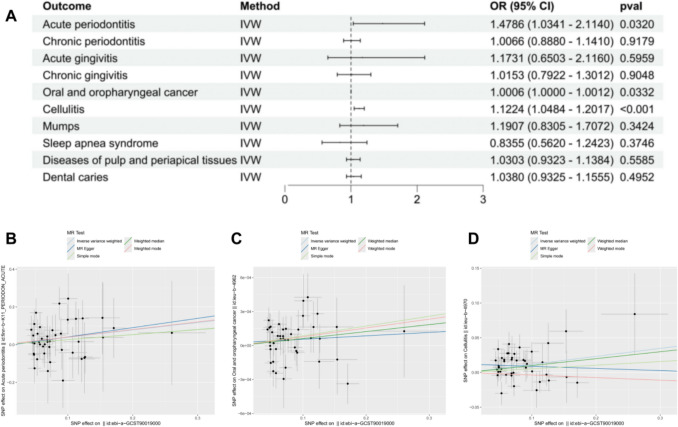
- Glucocorticoid use correlates with increased risk for acute periodontitis (odds ratio = 1.4786) and oral cancer (odds ratio = 1.0006).
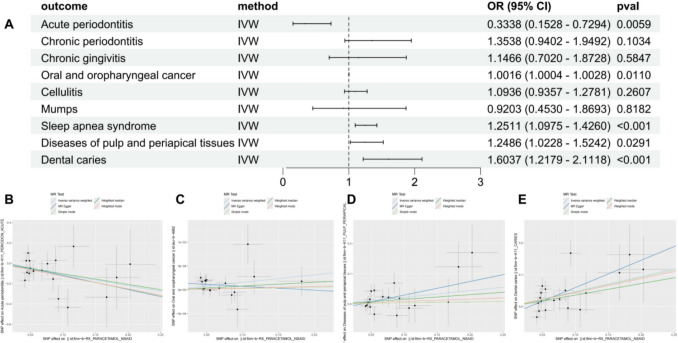
- Paracetamol, while protective against acute periodontitis (odds ratio = 0.3338), is associated with increased risk for oral cancer (odds ratio = 1.0016) and dental caries (odds ratio = 1.6037).
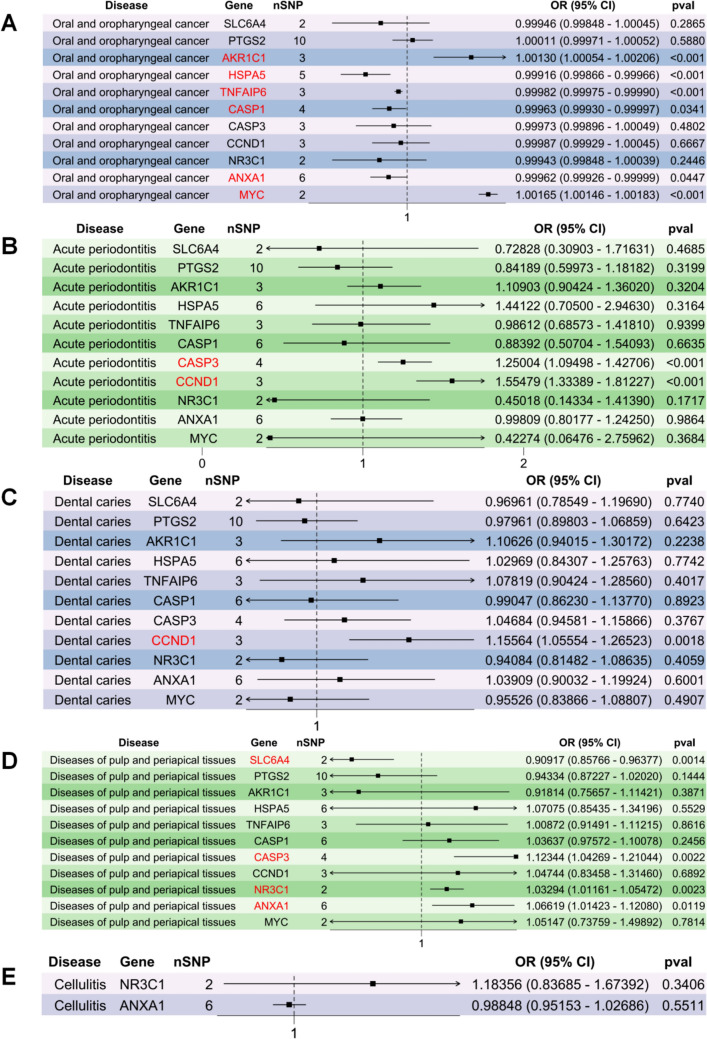
- Specific genes like CCND1 and CASP3 are implicated in the progression of acute periodontitis, indicating a genetic basis for the observed drug effects.
Caveats
- The study's findings are based on European populations, limiting generalizability to other ethnic groups.
- The analysis did not account for the timing and methods of drug use, which may affect the observed associations.
- Potential biases in , such as epigenetic factors, may influence the results.
Definitions
- Mendelian randomization: A statistical method using genetic variants as tools to assess causal relationships between exposures and outcomes.
Simplified
Introduction
Inflammation originates as a fundamental defense mechanism of biological systems, serving as a critical pathophysiological pathway in disease progression (Yi 2019). Numerous oral pathologies present with characteristic inflammatory manifestations within the oral microenvironment (Nguyen et al. 2023). Clinically, untreated gingival inflammation progresses to periodontitis through well-documented pathological mechanisms (Eltay and Dyke 2023), while immune-mediated inflammatory responses drive the pathogenesis of recurrent oral ulcerations (Kurgan and Kantarci 2018). A chronic inflammatory state can foster a tumorigenic microenvironment conducive to neoplastic transformation and metastatic dissemination (Häyrinen-Immonen et al. 1991). Emerging evidence substantiates significant associations between persistent oral inflammation and systemic pathologies including hypertension, diabetes mellitus (Comen et al. 2018), and cardiovascular disorders, which subsequently exert synergistic effects on disease advancement through complex pathobiological interactions (Uyar and Davutoglu 2016; Mutlu and Mirici 2018).
Excessive inflammatory responses have been demonstrated to exacerbate pathological progression, precipitating tissue damage and potential functional impairment. Consequently, anti-inflammatory pharmacological agents constitute a cornerstone of clinical therapeutic approaches (Wang et al. 2023a). The widespread clinical utilization of these therapeutics has prompted extensive investigation into their modulatory effects on oral pathophysiological processes (Yuan et al. 2024; Zhang et al. 2019). In clinical dentistry, these agents are indispensable and are primarily divided into two categories: steroidal anti-inflammatory drugs (SAIDs), such as Dexamethasone and Prednisone, and nonsteroidal anti-inflammatory drugs (NSAIDs), including Aspirin, Ibuprofen, and Paracetamol (Prabhu et al. 2021), their clinical applications are broad; topical glucocorticoids are frequently prescribed for immune-mediated conditions like oral lichen planus, while NSAIDs are a mainstay for managing acute inflammatory pain from pulpitis and for postoperative analgesia. These drugs exert their effects via diverse molecular pathways (Auger et al. 2024).The anti-inflammatory efficacy of GCs involves sophisticated regulation of mitochondrial bioenergetics in macrophages, facilitating sustained production of anti-inflammatory metabolites including itaconate. Mechanistically, glucocorticoid receptors engage with pyruvate dehydrogenase (PDH), enhancing enzymatic activity and accelerating tricarboxylic acid (TCA) cycle flux in macrophages (Auger et al. 2024; Stifel et al. 2022). In contrast, NSAIDs primarily mediate anti-inflammatory effects through competitive inhibition of cyclooxygenase (COX) isoforms (Brown et al. 2001), effectively blocking the enzymatic conversion of arachidonic acid to prostaglandins (Vane 1971; Bindu et al. 2020).
GCs are frequently prescribed for the management of oral mucosal pathologies, whereas NSAIDs constitute a mainstay therapeutic intervention for postoperative analgesia in oral surgical procedures (Bailey et al. 2014; Moore et al. 2018; Shirvani et al. 2017), particularly in the context of carious lesion progression. The inflammatory cascade in dental pulp tissue has been mechanistically linked to COX activity and prostaglandin E2 (PGE2) biosynthesis (Petrini et al. 2012). Notably, empirical evidence demonstrates the efficacy of paracetamol in attenuating postoperative discomfort following endodontic interventions (Machado et al. 2024). Nevertheless, the epidemiological correlation between anti-inflammatory pharmacotherapy and oral disease susceptibility remains controversial. Clinical interpretations are frequently confounded by diagnostic variability, methodological heterogeneity, and residual confounding factors across observational studies. For instance, the chemopreventive potential of NSAIDs in oral squamous cell carcinoma continues to engender scholarly debate (Tsujii and DuBois 1995; Hong et al. 2000; Kelley et al. 1997; Eling et al. 1990), with longitudinal cohort analyses failing to substantiate protective associations (Friis et al. 2006). To reconcile these issues, a different analytical approach is warranted. Considering the gastrointestinal complications and documented cardiovascular risks associated with classical NSAIDs like aspirin and ibuprofen (Slomski 2020; Reed et al. 2018), paracetamol has emerged as the preferred first-line analgesic in postoperative oral care protocols. This pharmacological rationale underpins our selection of paracetamol as the principal NSAID for analytical evaluation.
A critical nuance in this field is that the pathogenesis of oral diseases exhibits a mechanistic connection to systemic health, with accumulating evidence supporting bidirectional communication through the oral–gut microbial axis (Tanwar et al. 2023; Zhang et al. 2021a). Recent advances in microbiome research have demonstrated substantial crosstalk between oral and gastrointestinal ecosystems (Kunath et al. 2024; Li et al. 2019).Emerging evidence indicates that gut microbiota dysbiosis frequently coincides with oral microbial community alterations. However, the current experimental limitations persist, as most mechanistic insights derive from animal models, and observational studies in human populations face constraints that impede causal inference (Sato et al. 2021; Kato et al. 2018; Blasco-Baque et al. 2017). These knowledge gaps restrict our capacity to conceptualize the precise mechanistic interplay between oral inflammatory processes and systemic health outcomes.
Adhering to the same principles of randomization found in clinical trials, Mendelian randomization (MR) leverages genetic variants as instrumental variables (IVs) to investigate causal relationships between exposures and disease risk. The random allocation of these variants at conception serves to mitigate confounding biases and reverse causation, providing a robust tool for causal inference. The validity of this approach, however, requires that each genetic instrument satisfies three core assumptions: relevance, independence, and the exclusion restriction criterion. In this study, we apply this powerful framework to dissect the causal pathways linking anti-inflammatory medication use to oral disease risk.
Materials and methods
Study design
The present investigation conducted MR analyses by utilizing GWAS summary statistics primarily derived from the Sakaue et al. cohort. Genetic variants significantly associated with anti-inflammatory pharmacotherapies (GCs and NSAIDs) served as instrumental variables (IVs), provided they met genome-wide significance thresholds (p < 5 × 10⁻⁸). The primary method for causal inference was inverse-variance weighted (IVW) regression, which was prioritized due to its statistical efficiency and minimal bias under valid instrument assumptions. To assess the robustness of our findings, complementary approaches including weighted median, MR-Egger, MR-PRESSO, and MR-RAPS were implemented to evaluate and mitigate potential confounding from horizontal pleiotropy.
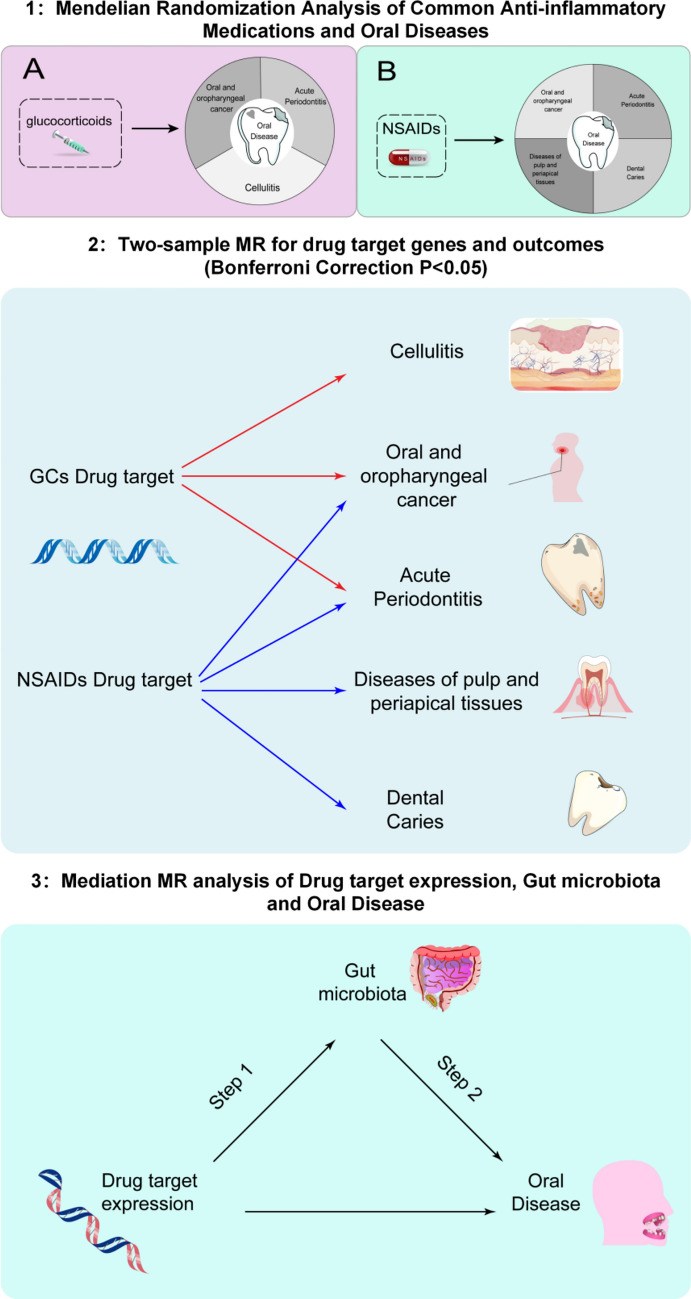
The study was structured in two principal stages. Stage I employed MR techniques to investigate putative causal associations between exposure to anti-inflammatory medication and the pathogenesis of oral diseases. Subsequently, Stage II incorporated gene targets curated from DrugBank to elucidate potential therapeutic mechanisms linking pharmacological targets to oral disease risk. This was facilitated by gene expression quantitative trait locus (eQTL) data, which enabled the assessment of target-mediated disease susceptibility. A bidirectional, two-step MR analysis was also conducted to examine the potential mediation effects of identified drug targets on oral disease outcomes through the modulation of gut microbiota.
Data sources
The summary-level genetic data employed in this investigation were procured from the MRC Integrative Epidemiology Unit (IEU) OpenGWAS database (https://gwas.mrcieu.ac.uk↗). Exposure data for glucocorticoid utilization and sleep apnea syndrome originated from a GWAS conducted by Sakaue et al., while outcome data for oral/oropharyngeal malignancies were extracted from the IEU OpenGWAS repository. Cellulitis phenotype information was acquired through the UK Biobank GWAS initiative. Genetic associations for acute/chronic periodontitis, gingivitis, pulp/periapical pathologies, dental caries, and paracetamol exposure were derived from the FinnGen research consortium (Release R10). EQTL mappings were obtained from the eQTLGen cross-tissue consortium. Pharmacological target identification for GCs and NSAIDs was performed using DrugBank (https://go.drugbank.com↗), with subsequent genomic coordinate mapping (chromosomal locations and base pair ranges) conducted through standardized bioinformatics pipelines.
All datasets utilized in this investigation are publicly accessible. As each primary study obtained the requisite ethical approvals from their governing institutional review boards, no supplementary ethical clearance was necessary for these secondary analyses. This research adheres to the STROBE-MR guidelines for implementing MR methodologies. Additional data supporting the findings of this study are available from the corresponding author upon reasonable request (Skrivankova et al. 2021).

Flowchart of the study design
Exposures
Genetic instruments for GCs (17,352 cases and 188,348 controls) and NSAIDs, specifically paracetamol (172,938 cases and 45,854 controls), were obtained from GWAS databases. Single nucleotide polymorphisms (SNPs) associated with each pharmacological agent were identified through a genome-wide significance threshold (p ≤ 1 × 10⁻⁶). To ensure genetic variant independence, we implemented stringent clumping procedures with an r2 threshold < 0.001 to eliminate linkage disequilibrium (LD), coupled with a physical distance criterion of ≥ 10,000 kilobases between adjacent variants. These methodological safeguards were employed to maintain the independence and validity of instrumental variables in subsequent analyses.
Selection of commonly used oral anti-inflammatory drug targets
| Medication Subclass | Drug | drugID | Gene | Actions |
|---|---|---|---|---|
| GCs | Dexamethasone | DB01234 | NR3C1 | Agonist |
| NR0B1 | Stimulator | |||
| ANXA1 | Agonist | |||
| NOS2 | Negative modulator | |||
| NR1I2 | Agonist | |||
| Prednisone | DB00635 | NR3C1 | Agonist | |
| Triamcinolone | DB00620 | NR3C1 | Agonist | |
| Difluocortolone | DB09095 | ANXA3 | Inducer | |
| NR3C1 | Binder | |||
| NSAIDs | Aspirin | DB00945 | PTGS1 | Inhibitor |
| HMGCR | Inhibitor | |||
| PTGS2 | Inhibitor | |||
| AKR1C1 | Inhibitor | |||
| EDNRA | Inhibitor | |||
| TP53 | Inducer | |||
| HSPA5 | Binder,Inhibitor | |||
| RPS6KA3 | Inhibitor | |||
| NFKBIA | Inhibitor | |||
| TNFAIP6 | Inhibitor,Downregulator | |||
| CASP1 | Inhibitor,Downregulator | |||
| CASP3 | Inhibitor,Downregulator | |||
| CCND1 | Downregulator | |||
| MYC | Downregulator | |||
| PCNA | Downregulator | |||
| NEU1 | Inhibitor | |||
| Ibuprofen | DB01050 | PTGS2 | Inhibitor | |
| CXCR2 | Inhibitor | |||
| CXCL8 | Inhibitor | |||
| CXCR1 | Inhibitor | |||
| PTGS1 | Inhibitor | |||
| BCL2 | Modulator | |||
| THBD | Inducer | |||
| FABP2 | Binder | |||
| PPARG | Activator | |||
| CFTR | Inhibitor | |||
| PPARA | Activator | |||
| GP1BA | Inducer | |||
| S100A7 | Inducer | |||
| Paracetamol | DB00316 | PTGS2 | Inhibitor | |
| SLC6A4 | Inhibitor | |||
| SLC6A2 | Inhibitor | |||
| PTGS1 | Inhibitor | |||
| PTGES3 | Inhibitor | |||
| TRPV1 | Activator |
Gene expression datasets for genetic instrument selection
Genetic instruments for GCs (17,352 cases and 188,348 controls) and NSAIDs, specifically paracetamol (172,938 cases and 45,854 controls), were obtained from their respective GWAS databases. SNPs associated with each agent were identified using a genome-wide significance threshold (p < 1 × 10⁻⁶). To ensure the independence of genetic variants, we implemented stringent clumping procedures with an r2 threshold < 0.001 and a physical distance criterion of > 10,000 kilobases to eliminate linkage disequilibrium. For the analysis of pharmacological gene targets, blood-derived cis-acting eQTLs located within gene-proximal regions (± 100 kb) were exclusively retained as instrumental variables to minimize potential pleiotropic interference.
Outcomes
The following oral pathologies were included as study outcomes: apical periodontitis (AP: 367 cases and 195,395 controls), chronic periodontitis (CP: 3046 cases and 195,395 controls), acute gingivitis (149 cases and 195,395 controls), chronic gingivitis (850 cases and 195,395 controls), periapical abscess and pulpitis (PAP: 5354 cases and 195,395 controls), and DC (4170 cases and 195,395 controls). The datasets for these conditions were derived from FinnGen consortium GWAS summary statistics. Oral and cutaneous cellulitis (OOC: 839 cases and 372,016 controls) data were obtained from the MRC IEU OpenGWAS database, while cellulitis specifically from the UK Biobank (12,196 cases and 474,288 controls). All study populations consisted exclusively of European ancestry participants.
Statistical analyses
Mendelian randomization
The principal analytical approach utilized IVW, which synthesizes Wald ratio estimates across individual SNPs to evaluate the collective impact of genetic variants. To systematically identify and eliminate potential outliers, we executed leave-one-out sensitivity analyses. Methodological robustness was further ensured through heterogeneity assessment via Cochran's Q statistic and evaluation of horizontal pleiotropy using MR-Egger regression. When significant pleiotropic effects were detected, we implemented the MR-PRESSO methodology for outlier removal.
Two-step Mendelian randomization for mediation analysis
Given the established association between oral diseases and gut microbiota composition, this investigation aimed to elucidate the putative mediating role of intestinal microbial communities in the pharmaco-oral disease relationship through anti-inflammatory therapeutic interventions. A bidirectional, two-sample MR analysis was conducted to evaluate the mediating role of intestinal microbial communities, using summary-level GWAS data from 14,306 European ancestry participants. This methodological framework systematically evaluated whether specific gut microbial taxa statistically mediate the pharmacologic effects of anti-inflammatory agents on oral disease pathogenesis. Instrumental variables were selected under stringent genome-wide significance thresholds (p < 1 × 10⁻⁶), with additional clumping parameters (R2 < 0.001, clumping window of 10,000 kb) to ensure genetic independence. The inverse-variance weighted (IVW) method served as the principal analytical approach for causal inference estimation, supplemented by sensitivity analyses to verify result robustness.
Results
Mendelian randomization analysis of anti-inflammatory drugs and oral diseases
Causal relationship between GCS use and oral diseases

Mendelian randomization results for the causal relationship between use of GCs and Risk of Ten Oral Diseases (including AP, CP, AG, CG, OOC, cellulitis, mumps, PAP, and DC). Estimates were obtained using the Inverse-Variance Weighted Random Effects (IVW) method.Forest plots for the UVMR.Scatter plots display statistically significant results of UVMR A B-D
Causal relationship between NSAIDs use and oral diseases

Mendelian randomization results for the causal relationship between NSAIDs and the risk of nine oral diseases (AP, CP, CG, OOC, Cellulitis, Mumps, PAP, and DC). Estimates were obtained using the IVW method.Forest plots for the UVMR.Scatter plots display statistically significant results of UVMR A B-E
Causal effect of drug targets on oral diseases

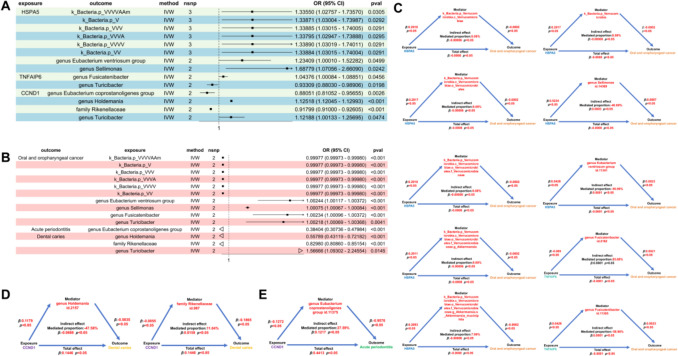
Summary of suggestively significant mendelian randomization results from drug target genes expression and oral diseases:Forest plots demonstrating the estimated causal effect of the genetic drug targets with OOC.Forest plots demonstrating the estimated causal effect of the genetic drug targets with AP.Forest plots demonstrating the estimated causal effect of the genetic drug targets with DC.Forest plots demonstrating the estimated causal effect of the genetic drug targets with PAP.Forest plots demonstrating the estimated causal effect of the genetic drug targets with Cellulitis A B C D E
Mediation analysis via gut microbiota
To further evaluate whether the relationship between drug targets and oral diseases is mediated by alterations in gut microbiota abundance, we employed drug target genes as the exposure variable, gut microbiota abundance as the mediator, and oral diseases as the outcome. A two-step MR analysis was conducted. In the initial step, genetic instruments specific to the target genes were utilized to estimate their causal impacts on the gut microbiota.
CCND1 showed a mediation effect on AP through genus Eubacterium coprostanoligenes group (mediation effect = 27.59%) and exhibited a risk effect on AP (total effect, β = 0.44). At the same time, CCND1 exhibited a masking effect on DC through genus Holdemania (−47.58%) and a mediation effect through family Rikenellaceae (mediation effect = 11.04%), showing a risk effect on DC (total effect, β = 0.14).

Forest plots demonstrating the estimated causal effect of gut microbiota on Oral diseases.Forest plots demonstrating the estimated causal effect of the genetic drug targets on gut microbiota.Mediated Mendelian Randomization (MR) analysis of the effect of anti-inflammatory drug target genes (HSPA5, TNFAIP6, and CCND1) on oral and oropharyngeal cancer via gut microbiota.Mediation MR analysis of the effect of risk factors (anti-inflammatory drug target genes) on periodontitis via key gut microbiota mediators.Mediation MR analysis of the effect of risk factors on DC through gut microbiota mediators. Notable mediators include Rikenellaceae and Holdemania for CCND1. The diagrams show the total effect, indirect effect (mediated through gut microbiota), and direct effect.The 'total effect' represents the overall effect of the genes on periodontitis risk without accounting for the mediating role of the gut microbiota. The 'indirect effect' illustrates the contribution of gut microbiota as a mediator in this relationship.'Total effect' and 'indirect effect' pathways are illustrated to highlight the roles of these mediators in disease progression A B C D E
Discussion
The results of our Mendelian randomization analysis offer a new genetic perspective on the safety and efficacy of some of dentistry's most common pharmacotherapies. While glucocorticoids are invaluable for controlling severe oral inflammation, our finding of a genetically proxied increased risk for acute periodontitis and oral and oropharyngeal cancer warrants clinical consideration regarding their long-term use. Similarly, while paracetamol is a first-line analgesic, its causal association with an increased risk of dental caries presents a novel and unexpected finding that could influence future therapeutic guidelines.
The intricate nexus between inflammation and oral diseases has consistently placed anti-inflammatory treatments at the forefront of clinical attention. These agents are widely utilized to reduce complications and are even associated with potential long-term systemic benefits, including reduced cancer risk. Their therapeutic role, however, is profoundly complex. A critical oversight in much of the existing research is the paradoxical observation that interventions targeting inflammation can, in certain contexts, exacerbate the very condition they aim to treat (Lai et al. 2022; Pyrikova et al. 2019; Holland et al. 2019). This reality, combined with the prevalent issue of over-medication in clinical practice, demands a more nuanced approach to treatment planning that acknowledges the multifaceted and sometimes contradictory impact of these common drugs.
In the present study, through MR analysis based on GWAS, we discovered causal relationships between the use of anti-inflammatory drugs and the risk of oral diseases. Our research focused on the use of GCs and NSAIDs and their associations with the risk of oral diseases. The results showed significant associations between both drugs and several oral diseases, which highlights the need for prudent use of these medications in clinical practice. According to our analysis, GCs were causally linked to the occurrence of AP, cellulitis, and OOC, whereas NSAIDs showed a protective effect on AP and a promoting effect on OOC, cellulitis.
GCs are widely used, and while previous reports have suggested that they have a suppressive effect on periodontitis, recent studies have shown that GCs may actually promote AP (Baumeister et al. 2023). Concerning the role of GCs in cancer, much research has focused on blood system cancers (such as lymphocytic leukemia, multiple myeloma, and lymphoma) (Cruz-Topete and Cidlowski 2015), as well as on prostate cancer (Hu and Chen 2017), where GCs have a significant inducing effect on tumor cell death. Many studies have concentrated on estrogen receptor alpha (ERα) and found that GCs might inhibit ERα-target genes involved in cell proliferation, thereby blocking tumor growth. For example, in breast cancer, GCs inhibit tumors in ERα-positive cancers, but they support the growth and metastasis of ERα-negative breast cancer cells and exacerbate clinical invasiveness (Pan et al. 2011; West et al. 2018; Abduljabbar et al. 2015). More recently, studies have also suggested that activation of glucocorticoid receptors increases tumor heterogeneity and metastatic potential (Obradovic et al. 2019), promoting cancer progression. In the context of endometrial cancer, both GCs and ERα promote disease progression and metastasis (Vahrenkamp et al. 2018). Clinical and basic research has also demonstrated that GCs promote the development and progression of OOC (Azher et al. 2016; Wang et al. 2023b). GCs, as anti-inflammatory agents, are sometimes used in patients with oral space infections. A report described a patient with oral maxillofacial space infections who had been on long-term oral GCs and immunosuppressive drugs for antibody-associated vasculitis. After discontinuing immunosuppressants and reducing the glucocorticoid dosage, the patient showed rapid improvement. This study did not analyze the causes and therapeutic measures in detail, but our findings suggest that GCs may be a risk factor for cellulitis, offering another perspective on this issue.
The protective role of NSAIDs in AP has been widely acknowledged. Both clinical cohort studies and basic experiments have demonstrated the excellent effect of NSAIDs in inhibiting periodontitis progression, and they are commonly used in clinical settings for this purpose. Our study, from a genetic perspective, confirmed the protective effect of NSAIDs on acute periodontitis and also verified a causal relationship between NSAIDs and the inhibition of its progression. NSAIDs are more broadly used in clinical practice, particularly in managing pain in conditions like pulpitis. However, the effect of NSAIDs on oral diseases' progression, particularly OOC, has received a limited attention. Several case–control studies have concluded that long-term use of NSAIDs offers protection against oral diseases and OOC incidence (Ding et al. 2003), with experimental studies also supporting this protective effect (Lin et al. 2002). However, other research suggests that the use of non-low-dose aspirin increases the risk of oropharyngeal squamous cell carcinoma (Rosenquist et al. 2005), which the authors attribute to a false association driven by self-medication for early symptoms of cancer. For example, Pandeya et al. found that the protective effect of NSAIDs on squamous cell carcinoma was minimal and of value only for high-risk patients (Pandeya et al. 1951). Our study, however, found a causal relationship between the use of NSAIDs and the promotion of OOC development, providing a new angle for subsequent studies. Furthermore, we observed a shared target between NSAIDs and the commonly used anticancer drug methotrexate in the MR analysis. Notably, methotrexate is also used in the treatment of osteoarthritis due to its anti-inflammatory properties, which offers another perspective for examining the role of anti-inflammatory drugs in cancer progression (Gao et al. 2021). Although some studies have indicated that NSAIDs have certain antimicrobial effects (Ferrer-Luque et al. 2023), few have focused on the effects of NSAIDs on the progression of DC. In our study, we have inferred from a genetic perspective that NSAIDs have a causal relationship with the progression of DC. Future research could delve deeper into the mechanism of actions underlying the association between NSAIDs and DC. We also identified NSAIDs as a risk factor for PAP. Some literature reported that the use of NSAIDs could promote the recruitment of mononuclear inflammatory cells to the pulp and periapical regions under inflammatory conditions, which may even exacerbate surrounding bone resorption (Ribeiro-Santos et al. 2021), a finding that aligns with our conclusions.
In the present study, we observed that anti-inflammatory drugs influenced disease progression by altering the abundance of gut microbiota. The oral-gut axis, which includes the mouth and the gut, as the first and last sections of the human digestive tract, are interconnected. Oral microorganisms can spread to the gut, and gut microbiota dysbiosis can lead to chronic inflammation in other parts of the body, which in turn may affect oral microbiota. The causal relationship between these factors is often difficult to determine. Mediation analysis revealed the role of gut microbiota in the association of expression levels of TNFAIP6 and HSPA5 with risk of OOC, suggesting that anti-inflammatory drugs may reduce the expression of HSPA5 and TNFAIP6. When HSPA5 expression is low, the abundance of Verrucomicrobia, Eubacterium ventriosum, and Sellimonas decreases, and the low abundance of Verrucomicrobia leads to an increased OOC risk. Some studies have shown that prednisone use significantly increases Verrucomicrobia (Lima et al. 2022). It has also been reported that conventional treatments for oral squamous cell carcinoma can enhance immune function, resulting in increased abundance of Verrucomicrobia, which is consistent with our second-step MR results (Qian et al. 2022; Ginwala et al. 2021). Our study also found that reduced abundance of Eubacterium ventriosum and SellimonasRoseburia weakened the protective effect of HSPA5 on OOC risk. This is consistent with other studies, which showed that Eubacterium ventriosum and SellimonasRoseburia were often enriched in the gut microbiota of cancer patients (Tonneau et al. 2022a, 2022b; LiYa et al. 2024). We observed that when TNFAIP6 expression was low, Fusicatenibacter abundance decreased and Turicibacter abundance increased, consistent with previous research (Lu et al. 2023; He et al. 2021; Zhang et al. 2021b; Hamada et al. 2023; Zhong et al. 2022; Jeong et al. 2020), both of which are risk factors for OOC, where increased abundance of Turicibacter enhanced OOC risk, and the decreased abundance of Fusicatenibacter weakened the effect of TNFAIP6 on OOC risk.
Similarly, we also found that gut microbiota played a role in the relationship between CCND1 expression and the risks of AP and DC. Anti-inflammatory drugs may reduce CCND1 expression, and when HSPA5 is low, the abundance of Eubacterium coprostanoligenes and Rikenellaceae decreases, while the abundance of Holdemania increases. In our study, we found that Eubacterium coprostanoligenes was a protective factor for AP, while Rikenellaceae and Holdemania were protective factors for DC. There is limited research on gut microbiota in oral disease patients, and only a small amount of evidence is available. It has been found that Eubacterium coprostanoligenes produced butyrate, and supplementation with butyrate-producing bacteria could improve blood glucose control in diabetic patients and animals. Since hyperglycemia can lead to periodontal disease, this may explain why reduced abundance of Eubacterium coprostanoligenes strengthens the effect of CCND1 on AP risk (Li et al. 2021), while the reduced abundance of SellimonasRoseburia weakened the effect of HSPA5 on OOC risk.
Our study has several notable advantages. A primary strength is the use of a MR design, which inherently avoids common epidemiological biases such as selection bias, recall bias, and confounding factors. In comparison to randomized controlled trials, MR provides a simpler and more direct means of investigating causality on a large scale. A second advantage is that our research complements clinical trial evidence from a genetic perspective, presenting novel findings such as the potential causal link between anti-inflammatory drugs and OOC. Finally, the reliability of all our findings was ensured through the application of stringent statistical standards.
However, our study inevitably has some limitations: First, the GWAS databases used in our study are from European populations, and it is unclear whether the results can be generalized to other ethnic groups. Second, we did not categorize the time and method of drug use, and only considered the causal relationship between the exposure factor (drug use) and the outcome. We also did not account for the effects of other interventions, and since these drugs are rarely used in large quantities over extended periods, there may be an overestimation of the effect of anti-inflammatory drugs on oral diseases. Third, we only included anti-inflammatory drug target genes commonly used in the oral cavity. Lastly, there are unavoidable weaknesses in the MR analysis, in which epigenetic issues such as genomic imprinting, maternal effects, and gene silencing may introduce bias (Li et al. 2024).
Conclusion
In the present study, we investigated and found potential associations between the use of anti-inflammatory drugs (GCs and NSAIDs) and risk of certain oral diseases, including acute periodontitis, oral and oropharyngeal cancer, cellulitis, disease of pulp and periapical tissues, and dental caries.
Supplementary Information
Below is the link to the electronic supplementary material. Supplementary file1 (XLSX 48 KB)