
What this is
- Stem cell therapies are being explored for autoimmune and inflammatory diseases due to their potential to improve treatment outcomes.
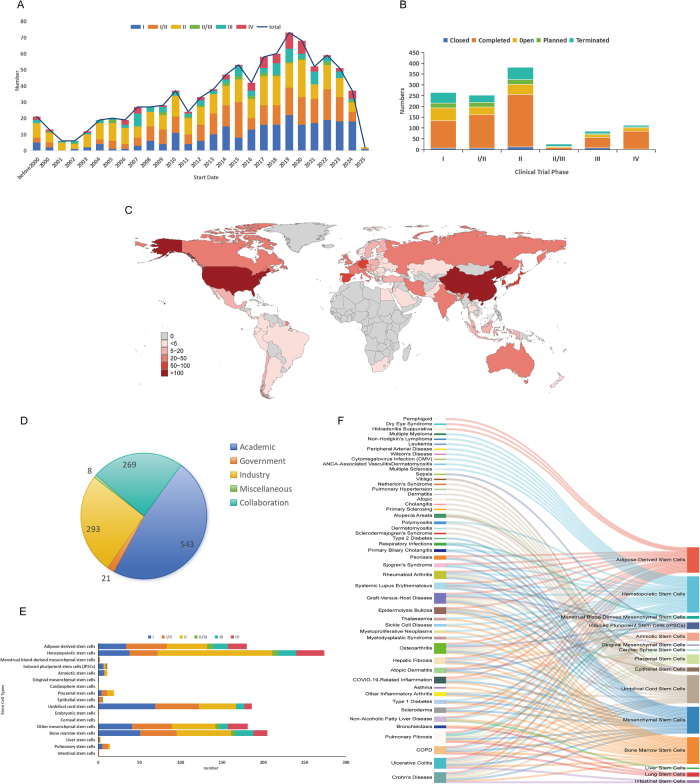
- This analysis reviews 1136 clinical trials to assess their growth, efficacy, and safety.
- Challenges remain in advancing trials beyond early phases, with only 10.2% progressing to Phase III.
Essence
- Stem cell therapies show promise for autoimmune diseases but face significant challenges in clinical translation, with limited progression to late-phase trials.
Key takeaways
- Stem cell clinical trials have increased from 11 annually (2000-2004) to a peak of 73 in 2019. This growth indicates rising interest, yet the transition to later phases remains limited.
- In systemic lupus erythematosus, umbilical cord achieved a 92.5% survival rate, while adipose-derived in Crohn's disease showed a 56.3% remission rate vs. 38.6% with placebo.
- Safety profiles are favorable across 36 randomized controlled trials with 2076 participants, but manufacturing variability and regulatory hurdles hinder broader application.
Caveats
- Only 10.2% of trials have progressed to Phase III, indicating significant barriers to translating early-phase results into large-scale studies necessary for regulatory approval.
- Long-term safety data remain limited, particularly for allogeneic cell products, raising concerns about immunogenic risks.
- The field faces challenges in standardization of manufacturing protocols and trial designs, complicating the interpretation of results.
Definitions
- mesenchymal stem cells (MSC): Multipotent stem cells capable of differentiating into various cell types and possessing immunomodulatory properties.
Simplified
