
What this is
- The PIONEER 11 trial evaluated oral semaglutide monotherapy vs. placebo in predominantly Chinese adults with type 2 diabetes insufficiently controlled by diet and exercise.
- Conducted over 26 weeks across multiple countries, the trial aimed to assess changes in and body weight.
- Findings indicate significant reductions in and body weight for higher doses of oral semaglutide compared to placebo.
Essence
- Oral semaglutide significantly reduced and body weight in a predominantly Chinese population with type 2 diabetes compared to placebo. The treatment was generally well tolerated.
Key takeaways
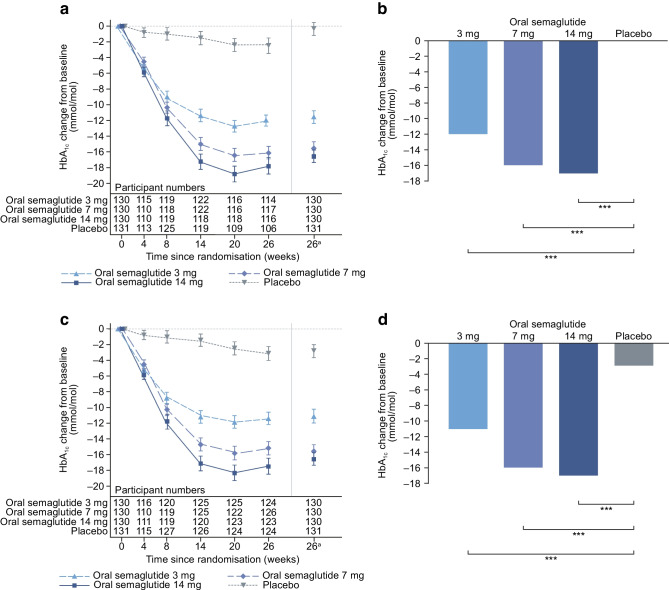
- Oral semaglutide 7 mg and 14 mg resulted in significant reductions in of -16 mmol/mol and -17 mmol/mol, respectively, compared to placebo. This demonstrates its efficacy in improving glycaemic control.
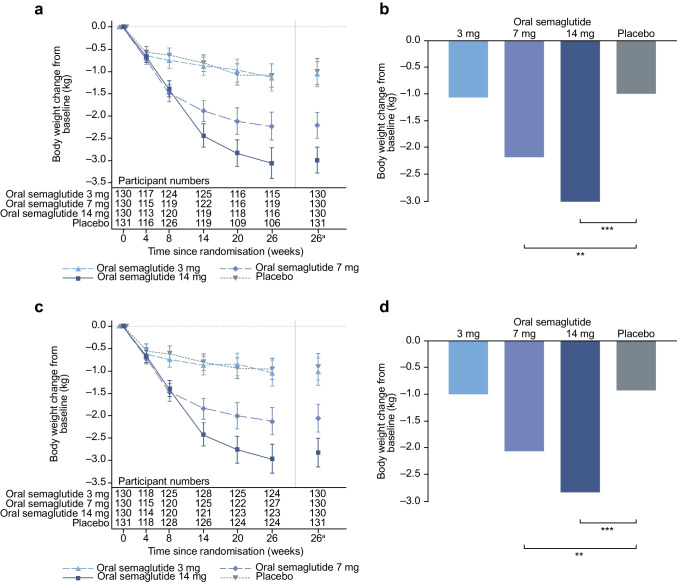
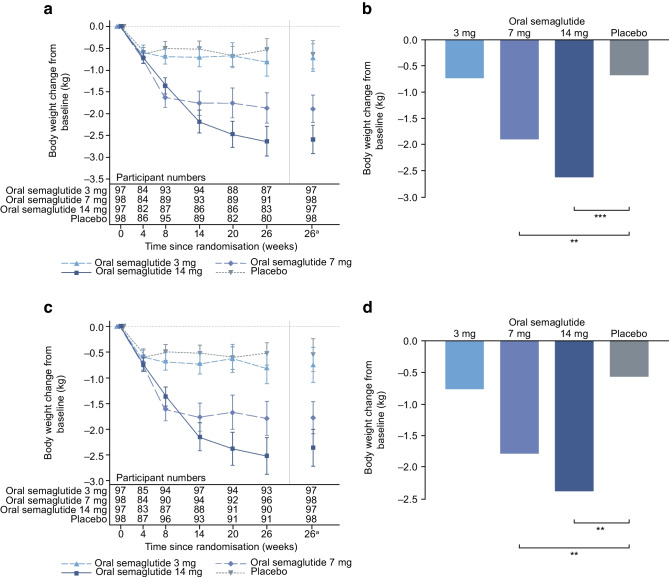
- Body weight reductions were significant at -1.2 kg for 7 mg and -2.0 kg for 14 mg doses compared to placebo. These findings indicate potential benefits for weight management in addition to glycaemic control.
- Adverse events were reported in 65.4% to 72.3% of participants receiving oral semaglutide, primarily gastrointestinal in nature. This aligns with the safety profile observed in previous trials.
Caveats
- The trial duration of 26 weeks may limit the observation of long-term treatment effects on glycaemic control and weight loss.
- Participants were generally healthy, which may not represent the broader Chinese population with type 2 diabetes, potentially affecting generalizability.
- The analysis did not investigate efficacy based on sex or gender distribution, limiting conclusions regarding these demographics.
Definitions
- HbA1c: A measure of average blood glucose levels over the past 2-3 months, used to assess diabetes control.
Simplified
Introduction
The most recent literature search to inform the IDF Diabetes Atlas reported that, in 2021, there were approximately 530 million people living with diabetes globally and estimated that this number will increase to around 780 million in 2045 [1]. In China the trend is no different: there were approximately 140 million cases of diabetes in 2021, which is predicted to increase to 174 million by 2045 [1]. Both globally and in China, type 2 diabetes accounts for the majority of cases [1], highlighting a clear need for more treatment options.
Achievement and maintenance of glycaemic targets and weight loss are important treatment goals for people with type 2 diabetes and can help reduce the long-term risk of some complications associated with chronic disease [2, 3]. Recently, distinct differences in the clinical phenotype and pathophysiology of type 2 diabetes in East Asian populations and Western populations have been recognised [4–6]. These differences can impact therapeutic approaches and responses to treatment; therefore, adjustments to treatment strategies across different populations should be considered [4–6].
Treatment with glucagon-like peptide-1 receptor agonists (GLP-1RAs) enables people with type 2 diabetes to achieve reductions in HbA1c and body weight [7–9]. Some GLP-1RAs, including s.c. semaglutide, reduce the risk of major adverse cardiovascular events and have beneficial effects on cardiometabolic risk factors, including BP and lipid profiles [10–12]. Furthermore, HbA1c and body weight reductions with s.c. semaglutide are largely consistent across different ethnic groups [13–16]. GLP-1RAs are recommended for treating type 2 diabetes in international (ADA/EASD) and Chinese guidelines [17, 18]. The Chinese Diabetes Society (CDS) recommends the use of GLP-1RAs or sodium–glucose cotransporter 2 inhibitors (unless contraindicated) as an adjunct to metformin regardless of the glycaemic target in people with type 2 diabetes and established atherosclerotic CVD, or in those with high CVD risk [18]. Additionally, the CDS recommends considering GLP-1RAs, among other glucose-lowering drugs, alongside lifestyle interventions for people with type 2 diabetes and a BMI ≥27 kg/m2 [18]. In China, the use of s.c. GLP-1RAs is typically less common than the use of other glucose-lowering drugs, possibly because of the need to administer them by injection, highlighting the need for effective and easily administered therapies [19].
Oral semaglutide, a co-formulation of the human glucagon-like peptide-1 (GLP-1) analogue semaglutide and the absorption enhancer sodium N-[8(2-hydroxybenzoyl)amino]caprylate (SNAC), is the first GLP-1RA developed for oral administration in type 2 diabetes [20, 21]. Although semaglutide is also available as an s.c. injection [22, 23], the availability of an oral GLP-1RA presents a useful alternative to injectables, removing the administrative burden and encouraging greater uptake of GLP-1RAs [20, 24]. The efficacy and safety of once-daily oral semaglutide have been extensively evaluated in participants with type 2 diabetes in the global Peptide Innovation for Early Diabetes Treatment (PIONEER) Phase IIIa clinical trial programme (PIONEER 1–8) [7, 8, 25–30]. Oral semaglutide was effective at improving glycaemic control compared with placebo and active comparators, with a safety profile consistent with the GLP-1RA class; gastrointestinal symptoms were the most common adverse events (AEs) [7, 8, 25–30]. Although the global Phase IIIa clinical programme included Asian racial and ethnic groups, there is limited evidence of the efficacy and safety of oral semaglutide in predominantly Chinese populations [7, 8, 25–30]. Two trials (PIONEER 9 and 10) have demonstrated the efficacy and safety of oral semaglutide in a predominantly Japanese population [31, 32]. The current study has some similarities with the PIONEER 1 trial, with similar treatment arms, inclusion criteria, trial length and endpoints; however, PIONEER 1 was a global trial and as such had a far smaller Asian population [7]. PIONEER 1 may provide a useful comparison in terms of outcomes, highlighting differences in response between Asian and non-Asian individuals receiving oral semaglutide and providing a point of comparison with placebo [7].
This multiregional PIONEER 11 Phase IIIa trial aimed to assess the efficacy and safety of oral semaglutide monotherapy compared with placebo in a predominantly Chinese population with type 2 diabetes, insufficiently controlled with diet and exercise. An additional Phase III trial, PIONEER 12 (NCT04017832↗), was also conducted to assess the efficacy and safety of oral semaglutide vs the dipeptidyl peptidase-4 inhibitor (DPP-4i), sitagliptin, in a predominantly Chinese population with type 2 diabetes, insufficiently controlled with metformin [33].
Methods
Trial design
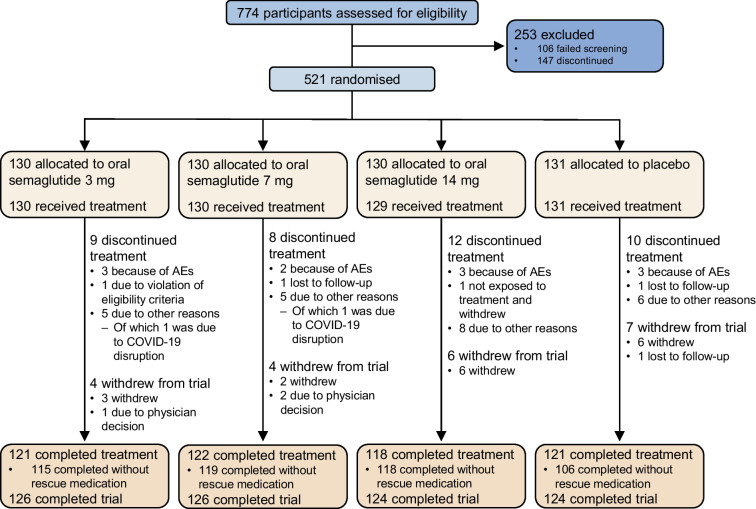
PIONEER 11 (ClinicalTrials.gov NCT04109547↗) was a 26 week, randomised, double-blind, placebo-controlled, parallel-group Phase IIIa trial with a 4-week run-in period conducted at 52 sites in the China region (including mainland China and Taiwan), Hungary, Serbia and Ukraine. The trial protocol was approved by the appropriate health authorities according to local guidelines and by an institutional review board/independent ethics committee, and the trial was conducted in accordance with the Declaration of Helsinki 2013 and International Council for Harmonisation Good Clinical Practice guidelines. A list of investigators is provided in electronic supplementary material (ESM) Appendix 1. Participants were required to provide written informed consent prior to commencing any trial-related activity.
Participants
Participants with diagnosed type 2 diabetes were eligible for participation if they were aged ≥18 years at the time of informed consent (≥20 years in Taiwan) and had an HbA1c between 53 and 86 mmol/mol (7.0–10.0%). Key exclusion criteria included treatment with a glucose-lowering medication or medication for obesity within 60 days before screening, except for short-term (14 days) insulin use; renal impairment (eGFR <60 ml/min per 1.73 m2); history/presence of pancreatitis (acute or chronic); history/presence of malignant neoplasms within 5 years before screening; family (first-degree relative) or personal history of multiple endocrine neoplasia type 2 or medullary thyroid carcinoma; and uncontrolled or potentially unstable diabetic retinopathy or maculopathy. Full inclusion, exclusion and randomisation criteria are provided in ESM Table 1. Demographic data including date of birth, sex, and race and ethnicity were recorded according to local regulations and were self-reported.
Trial procedures, randomisation and masking
The key randomisation criterion was HbA1c between 53 and 80 mmol/mol (7.0–9.5%) inclusive, measured at visit 3 (1 week before randomisation). After a 4 week run-in period, all eligible participants were randomised 1:1:1:1 using a web-based randomisation system to once-daily oral semaglutide (3 mg, 7 mg or 14 mg) or placebo for 26 weeks, with a follow-up visit taking place at 31 weeks (ESM Fig. 1). Participants initiated treatment with 3 mg once daily and those randomised to 7 mg or 14 mg followed a fixed 4-week dose-escalation regimen until reaching the randomised maintenance dose (7 mg was reached after 4 weeks and 14 mg after 8 weeks). Full treatment administration details are provided in ESM Appendix 2. Randomisation was stratified according to whether participants were from the China region (including mainland China and Taiwan) or elsewhere. The population of participants from the China region is referred to henceforth as the Chinese subpopulation.
Oral semaglutide or placebo were administered as a once-daily tablet in the morning with up to half a glass of water (approximately 120 ml) in a fasting state, at least 30 min before participants’ first meal. Participants with persistent and unacceptable hyperglycaemia (fasting plasma glucose [FPG] >13.3 mmol/l from week 8 to week 13, or >11.1 mmol/l from week 14 until the end of the trial) were offered rescue medication, which was applied from week 8 (visit 7) onwards. Rescue medication, excluding GLP-1RAs, DPP-4is or amylin analogues, were prescribed at the investigators’ discretion according to ADA/EASD guidelines [18]. Participants who prematurely discontinued semaglutide were switched to another glucose-lowering drug at the investigators’ discretion.
Adherence to the trial protocol was maintained where possible during the COVID-19 pandemic (see ESM Appendixfor further details). 3
Endpoints and assessments
The primary endpoint was change in HbA1c from baseline to week 26, and the confirmatory secondary endpoint was change in body weight (kg) from baseline to week 26. Supportive secondary endpoints included achievement of the American Association of Clinical Endocrinology (AACE) target of HbA1c ≤48 mmol/mol (≤6.5%), the ADA target of HbA1c <53 mmol/mol (<7.0%) or body weight loss ≥5% or ≥10% at week 26, and change from baseline to week 26 in FPG, 7-point self-monitored plasma glucose (SMPG) profile, body weight (%), BMI, waist circumference, BP and fasting lipid profile. Two composite endpoints were assessed: HbA1c <53 mmol/mol (<7.0%) without treatment-emergent severe hypoglycaemia or blood glucose-confirmed (plasma glucose <3.1 mmol/l) symptomatic hypoglycaemia and no body weight gain; and HbA1c reduction ≥10.9 mmol/mol (≥1%) and body weight loss ≥3%. The change from baseline to week 26 in participant-reported outcomes was assessed using the 36-item Short Form Health Survey (Acute Version) (SF-36v2).
Safety was evaluated up to approximately 31 weeks by assessment of AEs, number of hypoglycaemic episodes and the change from baseline in vital signs and laboratory assessments. Hypoglycaemic episodes were defined according to the three-tier ADA 2018 definition [34].
An independent external event adjudication committee was established to perform an assessment of certain AEs (deaths, acute coronary syndrome, cerebrovascular events, heart failure requiring hospitalisation, acute pancreatitis, malignant neoplasm, thyroid disease [malignant neoplasm or C-cell hyperplasia], acute kidney injury and lactic acidosis) according to predefined diagnostic criteria. To assess the incidence of diabetic retinopathy, a fundus eye examination was performed prior to randomisation and at the end of treatment (either week 26 or at the time of product discontinuation).
Statistical analysis
A sample size calculation was performed to ensure that the trial had ≥90% statistical power to confirm the superiority of oral semaglutide vs placebo at each dose level for change in HbA1c from baseline to week 26 (primary estimand). In total, it was planned to include130 participants in each treatment group (520 participants in total). The planned number of participants from the China region was 75% of the total sample size (n=390). Analyses of efficacy endpoints were based on the full analysis set, which included all randomised participants, and analyses of safety endpoints were based on the safety analysis set, which included all participants exposed to one or more dose of trial product.
Two questions relating to the efficacy objectives were addressed through the definition of two estimands. The trial product estimand (primary) evaluated the treatment effect for all randomised participants under the assumption that all participants continued taking the trial product for the entire planned duration of the trial and did not use rescue medication. The treatment policy estimand (secondary) evaluated the treatment effect for all randomised participants regardless of trial product discontinuation or use of rescue medication. A series of observation periods was also defined (ESM Appendix). 4
The primary analysis for the trial product estimand was a mixed model for repeated measures using a restricted maximum likelihood, with treatment and region as categorical fixed effects and baseline HbA1c or body weight as a covariate. For the trial product estimand, a closed testing procedure was used to control the overall type 1 error at a nominal two-sided 5% level. Overall significance of 0.05 (two-sided) was initially allocated to the HbA1c superiority test on the highest dose level. The statistical testing strategy ensured that superiority was established in terms of HbA1c before testing for the benefits on body weight at the same dose. Superiority for HbA1c had to be established for higher doses before continuing to test hypotheses at lower doses (ESM Fig. 2). The local significance level was to be reallocated if a hypothesis was confirmed. For the primary analysis for the treatment policy estimand, a pattern mixture model using multiple imputation to handle missing data was used. Change in HbA1c from baseline to week 26 was analysed using ANCOVA, with treatment and region as categorical fixed effects and baseline HbA1c or body weight as a covariate.
All analyses described for the primary and secondary endpoints were also performed on the Chinese subpopulation, except for the removal of region as a categorical fixed effect in the model (prespecified). Given the uniformity of diabetes across gender and sex, no special consideration was given to a sex and gender analysis.
Results
Participants and baseline characteristics

Participant flow diagram
| Characteristic | Oral semaglutide | Placebo | ||
|---|---|---|---|---|
| 3 mg (=130)N | 7 mg (=130)N | 14 mg (=130)N | (=131)N | |
| Age, years | 54 (11) | 52 (11) | 53 (10) | 51 (11) |
| Sex,(%)n | ||||
| Female | 58 (44.6) | 41 (31.5) | 47 (36.2) | 43 (32.8) |
| Male | 72 (55.4) | 89 (68.5) | 83 (63.8) | 88 (67.2) |
| Region,(%)n | ||||
| China region | 97 (74.6) | 98 (75.4) | 97 (74.6) | 98 (74.8) |
| Non-China region | 33 (25.4) | 32 (24.6) | 33 (25.4) | 33 (25.2) |
| Race and ethnicity,(%)n | ||||
| Asian | 97 (74.6) | 98 (75.4) | 97 (74.6) | 98 (74.8) |
| White | 33 (25.4) | 32 (24.6) | 33 (25.4) | 33 (25.2) |
| HbA1c | ||||
| mmol/mol | 63 (7) | 62 (7) | 64 (10) | 64 (8) |
| % | 7.9 (0.6) | 7.9 (0.7) | 8.0 (0.9) | 8.0 (0.7) |
| Duration of diabetes, years | 2.3 (3.0) | 1.7 (2.4) | 2.1 (3.3) | 2.7 (3.8) |
| FPG, mmol/l | 8.64 (1.97) | 8.70 (1.79) | 8.51 (1.55) | 9.01 (2.06) |
| Body weight, kg | 76.6 (15.8) | 80.8 (17.4) | 79.7 (19.7) | 81.1 (16.5) |
| BMI, kg/m2 | 27.8 (4.8) | 28.4 (5.1) | 28.2 (5.8) | 28.4 (5.0) |
| BMI categories,(%)n | ||||
| <18.5 kg/m2 | 0 | 0 | 3 (2.3) | 0 |
| ≥18.5 to <25 kg/m2 | 40 (30.8) | 36 (27.7) | 34 (26.2) | 34 (26.0) |
| ≥25 to <30 kg/m2 | 58 (44.6) | 58 (44.6) | 54 (41.5) | 55 (42.0) |
| ≥30 to <35 kg/m2 | 22 (16.9) | 20 (15.4) | 27 (20.8) | 30 (22.9) |
| ≥35 to <40 kg/m2 | 8 (6.2) | 11 (8.5) | 8 (6.2) | 6 (4.6) |
| ≥40 kg/m2 | 2 (1.5) | 5 (3.8) | 4 (3.1) | 6 (4.6) |
| Waist circumference, cm | 95.8 (11.5) | 98.0 (11.9) | 96.9 (13.6) | 97.5 (11.9) |
| Systolic BP, mmHg | 127 (15) | 127 (14) | 127 (14) | 129 (14) |
| Diastolic BP, mmHg | 81 (9) | 83 (9) | 82 (9) | 84 (11) |
| eGFR, ml/min per 1.73 m2 | 102 (14) | 102 (14) | 102 (14) | 104 (15) |
Primary endpoint
![Change in HbAfrom baseline to week 26 (primary endpoint) in the overall trial population. Observed and estimated mean (±SEM) and estimated mean change from baseline for HbAby the trial product estimand (,) and the treatment policy estimand (,). Data are for the on-treatment period without rescue medication (,) or for the in-trial period (,) for the total trial population. Baseline mean (SD) HbAvalues were 63 (7) mmol/mol (7.9% [0.6%]), 62 (7) mmol/mol (7.9% [0.7%]) and 64 (10) mmol/mol (8.0% [0.9%]) for oral semaglutide 3 mg, 7 mg and 14 mg, respectively, and 64 (8) mmol/mol (8.0% [0.7%]) for placebo. ETDs (95% CI) for oral semaglutide 3 mg, 7 mg and 14 mg vs placebo for the trial product estimand were –11 (–13, –9), –16 (–18, –13) and –17 (–19, –15) mmol/mol, respectively. ETDs (95% CI) for oral semaglutide 3 mg, 7 mg and 14 mg vs placebo for the treatment policy estimand were –8 (–11, –6), –13 (–15, –10) and –14 (–16, –11) mmol/mol, respectively.Estimated means and corresponding error bars are from the primary analysis. ***<0.001 1c 1c 1c a b c d a b c d a p](https://europepmc.org/articles/PMC11410837/bin/125_2024_6142_Fig2_HTML.jpg.jpg "Click to view full size")
Change in HbAfrom baseline to week 26 (primary endpoint) in the overall trial population. Observed and estimated mean (±SEM) and estimated mean change from baseline for HbAby the trial product estimand (,) and the treatment policy estimand (,). Data are for the on-treatment period without rescue medication (,) or for the in-trial period (,) for the total trial population. Baseline mean (SD) HbAvalues were 63 (7) mmol/mol (7.9% [0.6%]), 62 (7) mmol/mol (7.9% [0.7%]) and 64 (10) mmol/mol (8.0% [0.9%]) for oral semaglutide 3 mg, 7 mg and 14 mg, respectively, and 64 (8) mmol/mol (8.0% [0.7%]) for placebo. ETDs (95% CI) for oral semaglutide 3 mg, 7 mg and 14 mg vs placebo for the trial product estimand were –11 (–13, –9), –16 (–18, –13) and –17 (–19, –15) mmol/mol, respectively. ETDs (95% CI) for oral semaglutide 3 mg, 7 mg and 14 mg vs placebo for the treatment policy estimand were –8 (–11, –6), –13 (–15, –10) and –14 (–16, –11) mmol/mol, respectively.Estimated means and corresponding error bars are from the primary analysis. ***<0.001 1c 1c 1c a b c d a b c d a p
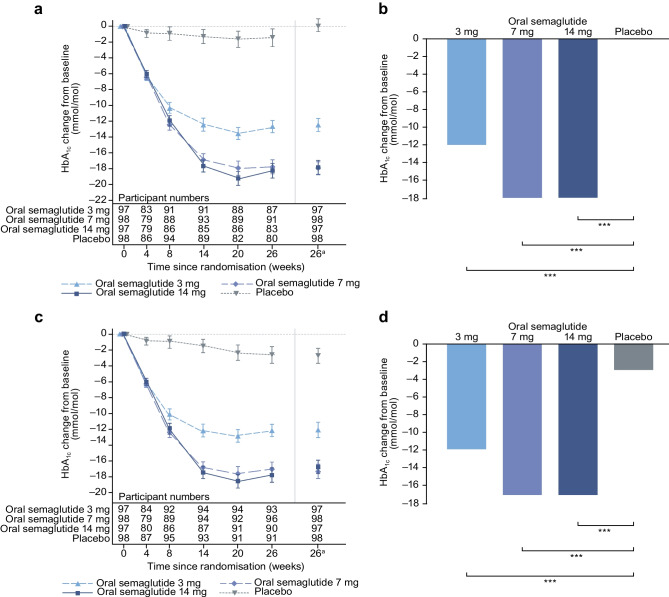
![Change in HbAfrom baseline to week 26 (primary endpoint) in the Chinese subpopulation. Observed and estimated mean values (±SEM) and estimated mean change from baseline for HbAby the trial product estimand (,) and the treatment policy estimand (,). Data are for the on-treatment without rescue medication period (,) or for the in-trial period (,) for the Chinese subpopulation. Baseline mean (SD) HbAvalues were 63 (7) mmol/mol (7.9% [0.7%]), 63 (8) mmol/mol (7.9% [0.7%]) and 64 (8) mmol/mol (8.0% [0.7%]) for oral semaglutide 3 mg, 7 mg and 14 mg, respectively, and 64 (8) mmol/mol (8.0% [0.7%]) for placebo. ETDs (95% CI) for oral semaglutide 3 mg, 7 mg and 14 mg vs placebo for the trial product estimand were –13 (–15, –10), –18 (–20, –16) and –18 (–20, –16) mmol/mol, respectively. ETDs (95% CI) for oral semaglutide 3 mg, 7 mg and 14 mg vs placebo for the treatment policy estimand were –9 (–12, –7), –15 (–17, –12) and –14 (–17, –12) mmol/mol, respectively.Estimated means and corresponding error bars are from the primary analysis. ***<0.001 1c 1c 1c a b c d a b c d a p](https://europepmc.org/articles/PMC11410837/bin/125_2024_6142_Fig3_HTML.jpg.jpg "Click to view full size")
Change in HbAfrom baseline to week 26 (primary endpoint) in the Chinese subpopulation. Observed and estimated mean values (±SEM) and estimated mean change from baseline for HbAby the trial product estimand (,) and the treatment policy estimand (,). Data are for the on-treatment without rescue medication period (,) or for the in-trial period (,) for the Chinese subpopulation. Baseline mean (SD) HbAvalues were 63 (7) mmol/mol (7.9% [0.7%]), 63 (8) mmol/mol (7.9% [0.7%]) and 64 (8) mmol/mol (8.0% [0.7%]) for oral semaglutide 3 mg, 7 mg and 14 mg, respectively, and 64 (8) mmol/mol (8.0% [0.7%]) for placebo. ETDs (95% CI) for oral semaglutide 3 mg, 7 mg and 14 mg vs placebo for the trial product estimand were –13 (–15, –10), –18 (–20, –16) and –18 (–20, –16) mmol/mol, respectively. ETDs (95% CI) for oral semaglutide 3 mg, 7 mg and 14 mg vs placebo for the treatment policy estimand were –9 (–12, –7), –15 (–17, –12) and –14 (–17, –12) mmol/mol, respectively.Estimated means and corresponding error bars are from the primary analysis. ***<0.001 1c 1c 1c a b c d a b c d a p
Confirmatory secondary endpoint

Change in body weight from baseline to week 26 (confirmatory secondary endpoint) in the overall trial population. Observed and estimated mean values (±SEM) and estimated mean change from baseline for body weight by the trial product estimand (,) and the treatment policy estimand (,). Data are for the on-treatment without rescue medication period (,) or for the in-trial period (,) for the total trial population. Baseline mean (SD) body weight was 76.6 (15.8) kg, 80.8 (17.4) kg and 79.7 (19.7) kg for oral semaglutide 3 mg, 7 mg and 14 mg, respectively, and 81.1 (16.5) kg for placebo. ETDs (95% CI) for oral semaglutide 3 mg, 7 mg and 14 mg vs placebo for the trial product estimand were –0.0 (–0.9, 0.8), –1.2 (–2.0, –0.4) and –2.0 (–2.8, –1.2) kg, respectively. ETDs (95% CI) for oral semaglutide 3 mg, 7 mg and 14 mg for placebo for the treatment policy estimand were –0.1 (–0.9, 0.7), –1.1 (–2.0, –0.3) and –1.9 (–2.8, –1.1) kg, respectively.Estimated means and corresponding error bars are from the primary analysis. **<0.01; ***<0.001 a b c d a b c d a p p

Change in body weight from baseline to week 26 (confirmatory secondary endpoint) in the Chinese subpopulation. Observed and estimated mean values (±SEM) and estimated mean change from baseline for body weight by the trial product estimand (,) and the treatment policy estimand (,). Data are for the on-treatment without rescue medication period (,) or for the in-trial period (,) for the Chinese subpopulation. Baseline mean (SD) body weight was 71.2 (11.9) kg, 75.2 (12.2) kg and 72.6 (11.6) kg for oral semaglutide 3 mg, 7 mg and 14 mg, respectively, and 77.5 (15.5) kg for placebo. ETDs (95% CI) for oral semaglutide 3 mg, 7 mg and 14 mg vs placebo for the trial product estimand were –0.1 (–1.0, 0.8), –1.2 (–2.1, –0.4) and –1.9 (–2.8, –1.0) kg, respectively. ETDs (95% CI) for oral semaglutide 3 mg, 7 mg and 14 mg vs placebo for the treatment policy estimand were –0.2 (–1.1, 0.7), –1.2 (–2.1, –0.3) and –1.8 (–2.8, –0.8) kg, respectively.Estimated means and corresponding error bars are from the primary analysis. **<0.01; ***<0.001 a b c d a b c d a p p
Supportive secondary endpoints (trial product estimand)
Significantly greater reductions in body weight (%) were observed with oral semaglutide 7 mg and 14 mg (p<0.01 for both doses), but not with 3 mg (p=0.80), compared with placebo (Table 2). Greater observed proportions of participants achieved body weight loss of ≥5% or ≥10% with oral semaglutide than with placebo (Table 2); the odds of achieving body weight loss of ≥5% were significantly greater with oral semaglutide 7 mg and 14 mg vs placebo, as were the odds of achieving body weight loss of ≥10% with oral semaglutide 14 mg vs placebo (Table 2). Similarly, BMI was significantly reduced with oral semaglutide 7 mg and 14 mg (p<0.001 for both doses) vs placebo, but not with 3 mg (ESM Table 5). Waist circumference was significantly reduced from baseline with oral semaglutide 14 mg (p<0.05) vs placebo, but not with oral semaglutide 3 mg or 7 mg (ESM Table 5).
Greater observed proportions of participants achieved both composite endpoints ≥10.9 mmol/mol (≥1 percentage point) HbA1c reduction and ≥3% weight loss, and HbA1c <53 mmol/mol (<7.0%) without severe or blood glucose-confirmed symptomatic hypoglycaemia and with no weight gain with oral semaglutide (all doses) than with placebo (Table 2). The estimated odds for achieving each composite endpoint were significantly in favour of oral semaglutide vs placebo (p<0.01 for all doses).
Treatment with oral semaglutide 14 mg resulted in significant reductions from baseline to week 26 in total cholesterol, LDL-cholesterol and triglycerides vs placebo (p<0.05 for all endpoints), although no noticeable differences were observed with oral semaglutide 3 mg or 7 mg (Table 2).
Overall, participant-reported outcomes, assessed using the SF-36v2 (general health and mental health), were not significantly different between oral semaglutide and placebo (ESM Table). 5
| Endpoint | Trial product estimand (primary estimand)a | Treatment policy estimand (secondary estimand)b | ||||||
|---|---|---|---|---|---|---|---|---|
| Oral semaglutide | Placebo | Oral semaglutide | Placebo | |||||
| 3 mg | 7 mg | 14 mg | 3 mg | 7 mg | 14 mg | |||
| Proportion achieving AACE target of HbA≤48 mmol/mol (≤6.5%)1c | ||||||||
| N | 130 | 130 | 130 | 131 | 130 | 130 | 130 | 131 |
| Nw | 114 | 117 | 116 | 106 | 124 | 126 | 123 | 124 |
| (%)n | 53 (46.5) | 76 (65.0) | 76 (65.5) | 12 (11.3) | 53 (42.7) | 77 (61.1) | 78 (63.4) | 13 (10.5) |
| EOR (95% CI) vs placebo | 7.71 (3.76, 15.81) | 16.69 (8.05, 34.60) | 22.27 (10.54, 47.04) | – | 5.96 (2.94, 12.10) | 12.91 (6.37, 26.17) | 16.04 (7.83, 32.87) | – |
| valuep | <0.001 | <0.001 | <0.001 | – | <0.001 | <0.001 | <0.001 | – |
| Proportion achieving ADA target of HbA<53 mmol/mol (<7.0%)1c | ||||||||
| N | 130 | 130 | 130 | 131 | 130 | 130 | 130 | 131 |
| Nw | 114 | 117 | 116 | 106 | 124 | 126 | 123 | 124 |
| (%)n | 75 (65.8) | 100 (85.5) | 92 (79.3) | 27 (25.5) | 79 (63.7) | 102 (81.0) | 95 (77.2) | 29 (23.4) |
| EOR (95% CI) vs placebo | 7.08 (3.83, 13.11) | 22.26 (11.03, 44.94) | 22.04 (10.94, 44.37) | – | 5.79 (3.16, 10.59) | 14.58 (7.58, 28.04) | 13.10 (6.91, 24.83) | – |
| valuep | <0.001 | <0.001 | <0.001 | – | <0.001 | <0.001 | <0.001 | – |
| FPG (mmol/l) | ||||||||
| N | 129 | 129 | 130 | 130 | 129 | 129 | 130 | 131 |
| Nw | 114 | 118 | 116 | 104 | 123 | 126 | 123 | 123 |
| Mean | 7.75 | 7 | 6.85 | 9.05 | 7.81 | 7.06 | 6.89 | 8.53 |
| Change from baseline | –0.96 | –1.72 | –1.86 | 0.34 | –0.91 | –1.65 | –1.82 | –0.18 |
| ETD vs placebo (95% CI) | –1.30 (–1.68, –0.91) | –2.05 (–2.44, –1.67) | –2.20 (–2.58, –1.81) | – | –0.72 (–1.16, –0.29) | –1.47 (–1.90, –1.03) | –1.64 (–2.11, –1.16) | – |
| valuep | <0.001 | <0.001 | <0.001 | – | <0.01 | <0.001 | <0.001 | – |
| 7-point SMPG (mmol/l) | ||||||||
| N | 110 | 117 | 115 | 104 | 129 | 130 | 130 | 131 |
| Nw | 110 | 117 | 115 | 104 | 121 | 124 | 122 | 121 |
| Mean | 8.3 | 7.6 | 7.6 | 9.5 | 8.5 | 7.7 | 7.8 | 9.3 |
| Change from baseline | –1.7 | –2.4 | –2.4 | –0.5 | –1.6 | –2.3 | –2.3 | –0.8 |
| ETD vs placebo (95% CI) | –1.2 (–1.6, –0.7) | –1.9 (–2.3, –1.5) | –1.9 (–2.4, –1.5) | – | –0.8 (–1.3, –0.4) | –1.6 (–2.0, –1.1) | –1.6 (–2.0, –1.1) | – |
| valuep | <0.001 | <0.001 | <0.001 | – | <0.001 | <0.001 | <0.001 | – |
| Body weight (%) | ||||||||
| N | 130 | 130 | 130 | 131 | 130 | 130 | 130 | 131 |
| Nw | 115 | 119 | 116 | 106 | 124 | 127 | 123 | 124 |
| Mean (SD) | –1 (4) | –3 (4) | –4 (5) | –1 (3) | –1 (4) | –3 (4) | –4 (5) | –1 (3) |
| Change from baseline | –1.3 | –2.8 | –3.8 | –1.2 | –1.3 | –2.6 | –3.6 | –1.0 |
| ETD vs placebo (95% CI) | –0.1 (–1.2, 0.9) | –1.7 (–2.7, –0.6) | –2.7 (–3.7, –1.6) | – | –0.2 (–1.3, 0.8) | –1.6 (–2.7, –0.6) | –2.6 (–3.7, –1.4) | – |
| valuep | NS | <0.01 | <0.001 | – | NS | <0.01 | <0.001 | – |
| Body weight loss ≥5% | ||||||||
| N | 130 | 130 | 130 | 131 | 130 | 130 | 130 | 131 |
| Nw | 115 | 119 | 116 | 106 | 124 | 127 | 123 | 124 |
| (%)n | 17 (14.8) | 29 (24.4) | 43 (37.1) | 11 (10.4) | 18 (14.5) | 30 (23.6) | 44 (35.8) | 11 (8.9) |
| EOR (95% CI) vs placebo | 1.43 (0.65, 3.18) | 2.91 (1.39, 6.08) | 5.28 (2.58, 10.80) | – | 1.69 (0.75, 3.77) | 3.26 (1.54, 6.92) | 5.55 (2.67, 11.53) | – |
| valuep | NS | <0.01 | <0.001 | – | NS | <0.01 | <0.001 | – |
| Body weight loss ≥10% | ||||||||
| N | 130 | 130 | 130 | 131 | 130 | 130 | 130 | 131 |
| Nw | 115 | 119 | 116 | 106 | 124 | 127 | 123 | 124 |
| (%)n | 5 (4.3) | 7 (5.9) | 12 (10.3) | 0 | 6 (4.8) | 7 (5.5) | 12 (9.8) | 0 |
| EOR (95% CI) vs placebo | 8.29 (0.49, 139.1) | 13.15 (0.81, 214.1) | 22.59 (1.44, 355.7) | – | 11.94 (0.69, 206.0) | 15.65 (0.92, 265.3) | 25.26 (1.54, 414.7) | – |
| valuep | NS | NS | <0.05 | – | NS | NS | <0.05 | – |
| Proportion (%) achieving ≥10.9 mmol/mol (≥1 percentage point) HbAreduction and ≥3% weight loss1c | ||||||||
| N | 130 | 130 | 130 | 131 | 130 | 130 | 130 | 131 |
| Nw | 114 | 117 | 116 | 106 | 124 | 126 | 123 | 124 |
| (%)n | 26 (22.8) | 43 (36.8) | 53 (45.7) | 10 (9.4) | 26 (21.0) | 43 (34.1) | 53 (43.1) | 11 (8.9) |
| EOR (95% CI) vs placebo | 3.34 (1.54, 7.25) | 6.80 (3.22, 14.35) | 9.86 (4.69, 20.71) | – | 2.72 (1.28, 5.80) | 5.35 (2.59, 11.03) | 7.25 (3.54, 14.81) | – |
| valuep | <0.01 | <0.001 | <0.001 | – | <0.01 | <0.001 | <0.001 | – |
| Proportion achieving HbA<53 mmol/mol (<7.0%) without hypoglycaemiaand with no body weight gain1cc | ||||||||
| N | 130 | 130 | 130 | 131 | 130 | 130 | 130 | 131 |
| Nw | 114 | 117 | 116 | 106 | 124 | 126 | 123 | 124 |
| (%)n | 54 (47.4) | 80 (68.4) | 84 (72.4) | 19 (17.9) | 55 (44.4) | 81 (64.3) | 86 (69.9) | 21 (16.9) |
| EOR (95% CI) vs placebo | 4.34 (2.35, 8.03) | 11.09 (5.90, 20.84) | 16.33 (8.45, 31.54) | – | 3.46 (1.90, 6.30) | 8.15 (4.45, 14.93) | 10.82 (5.82, 20.08) | – |
| valuep | <0.001 | <0.001 | <0.001 | – | <0.001 | <0.001 | <0.001 | – |
| Total cholesterol (mmol/l) | ||||||||
| N | 125 | 122 | 117 | 119 | 130 | 130 | 128 | 131 |
| Nw | 115 | 119 | 114 | 104 | 124 | 127 | 121 | 122 |
| Treatment ratio (95% CI) | 0.98 (0.95, 1.02) | 0.97 (0.93, 1.01) | 0.93 (0.89, 0.96) | – | 0.99 (0.95, 1.04) | 0.98 (0.94, 1.03) | 0.94 (0.88, 0.99) | – |
| valuep | NS | NS | <0.001 | – | NS | NS | <0.05 | – |
| LDL-cholesterol (mmol/l)d | ||||||||
| N | 125 | 122 | 117 | 119 | 130 | 130 | 128 | 131 |
| Nw | 115 | 119 | 114 | 102 | 123 | 127 | 121 | 121 |
| Treatment ratio (95% CI) | 0.99 (0.93, 1.06) | 0.99 (0.92, 1.06) | 0.93 (0.87, 0.99) | – | 1.01 (0.94, 1.09) | 1.00 (0.93, 1.07) | 0.94 (0.86, 1.03) | – |
| valuep | NS | NS | <0.05 | – | NS | NS | NS | – |
| Triglycerides (mmol/l) | ||||||||
| N | 124 | 122 | 117 | 118 | 129 | 130 | 128 | 131 |
| Nw | 114 | 119 | 114 | 102 | 122 | 127 | 121 | 121 |
| Treatment ratio (95% CI) | 0.99 (0.89, 1.11) | 0.94 (0.85, 1.05) | 0.90 (0.80, 1.00) | – | 0.99 (0.88, 1.12) | 0.98 (0.88, 1.09) | 0.89 (0.79, 1.00) | – |
| valuep | NS | NS | <0.05 | – | NS | NS | <0.05 | – |
| AE | Oral semaglutide | Placebo | ||
|---|---|---|---|---|
| 3 mg (=130)N | 7 mg (=130)N | 14 mg (=129)N | (=131)N | |
| Any AE | 85 (65.4) | 94 (72.3) | 87 (67.4) | 75 (57.3) |
| AEs by severity | ||||
| Mild | 77 (59.2) | 89 (68.5) | 84 (65.1) | 73 (55.7) |
| Moderate | 23 (17.7) | 22 (16.9) | 18 (14.0) | 15 (11.5) |
| Severe | 4 (3.1) | 2 (1.5) | 7 (5.4) | 1 (0.8) |
| Hypoglycaemic eventsa | ||||
| Level 1 | 5 (3.8) | 4 (3.1) | 4 (3.1) | 1 (0.8) |
| Level 2 | 1 (0.8) | 1 (0.8) | 0 | 0 |
| Level 3 | 0 | 0 | 0 | 0 |
| Most frequent AEsb | ||||
| Decreased appetite | 2 (1.5) | 6 (4.6) | 14 (10.9) | 0 |
| Diarrhoea | 4 (3.1) | 12 (9.2) | 12 (9.3) | 2 (1.5) |
| Upper respiratory tract infection | 11 (8.5) | 12 (9.2) | 9 (7.0) | 6 (4.6) |
| Nausea | 6 (4.6) | 4 (3.1) | 8 (6.2) | 2 (1.5) |
| Increased lipase levels | 7 (5.4) | 11 (8.5) | 4 (3.1) | 0 |
| Constipation | 1 (0.8) | 7 (5.4) | 3 (2.3) | 0 |
| Abdominal distention | 1 (0.8) | 10 (7.7) | 2 (1.6) | 1 (0.8) |
| Hyperlipidaemia | 4 (3.1) | 3 (2.3) | 1 (0.8) | 7 (5.3) |
| Any SAEc | 6 (4.6) | 10 (7.7) | 5 (3.9) | 2 (1.5) |
| AEs leading to discontinuation of trial product | 3 (2.3) | 2 (1.5) | 3 (2.3) | 3 (2.3) |
| Deaths | 0 | 0 | 0 | 0 |
Adverse events and tolerability
Overall, the proportion of participants experiencing AEs was higher for all doses of oral semaglutide than for placebo (Table 3). Gastrointestinal disorders were the most frequently reported AEs; a higher proportion of participants experienced these with oral semaglutide (3 mg: 16.2%, 7 mg: 32.3% and 14 mg: 31.8%) than with placebo (9.2%). Diarrhoea and nausea were the most common gastrointestinal AEs, although most cases were mild and of short duration. Diabetic retinopathy was reported in 4.6% (n=6) and 1.5% (n=2) of participants on oral semaglutide 3 mg and placebo, respectively, while no cases were reported with oral semaglutide 7 mg and 14 mg.
Most AEs were mild to moderate in severity, and the proportion of serious adverse events (SAEs) was low across treatment groups, but was highest with oral semaglutide 7 mg (Table 3). Three SAEs were considered to be possibly related to the trial product by the investigator, including one mild event of cholelithiasis with oral semaglutide 14 mg. There were two event adjudication committee-confirmed events (ESM Table 6). Hypoglycaemic events were rare, with only two participants experiencing a level 2 hypoglycaemic event (one each with oral semaglutide 3 mg and 7 mg) and no participants experiencing a level 3 (severe) hypoglycaemic event. No deaths occurred (Table 3).
Mean eGFR, calcitonin and creatine kinase levels and the bilirubin ratio were similar between treatment groups (ESM Table). There were significant increases in amylase and lipase with all doses of oral semaglutide vs placebo (except for amylase with oral semaglutide 3 mg), although increases were mostly observed in the first 14 weeks of treatment (ESM Table). BP decreased during treatment with oral semaglutide 7 mg and 14 mg and placebo, but the changes with semaglutide did not significantly differ from that seen with placebo (ESM Table). Pulse rate slightly increased from baseline by 2–5 beats/min with oral semaglutide; significant increases were observed with oral semaglutide 7 mg and 14 mg compared with placebo (ESM Table). 7 6 7 7
Compared with the overall population, the proportions of participants experiencing AEs were higher in the Chinese subpopulation (73.2–80.6% with oral semaglutide vs 65.3% with placebo; ESM Table). Similar to the overall population, more AEs occurred with oral semaglutide 7 mg than with the 3 mg and 14 mg doses; gastrointestinal AEs were among the most frequent AEs and were more commonly experienced with oral semaglutide than with placebo. The time to the first gastrointestinal event for 25% of participants was numerically shorter for the overall population than for the Chinese subpopulation (ESM Fig.). The proportion of participants in the Chinese subpopulation experiencing SAEs remained low and was higher with oral semaglutide (4.2–6.1%) than with placebo (2.0%) (ESM Table). 8 3 8
Discussion
This double-blind, randomised trial demonstrated that once-daily oral semaglutide monotherapy was superior to placebo in reducing HbA1c using the trial product estimand in a predominantly Chinese population with type 2 diabetes that was insufficiently controlled with diet and exercise. Significant reductions in HbA1c at week 26 were observed for oral semaglutide vs placebo and the magnitude of the reductions was similar between the overall population and the Chinese subpopulation, which represented 74.9% of the overall population. Similar results were observed for the treatment policy estimand. Reductions in HbA1c with oral semaglutide were comparable to those reported in the global PIONEER 1 trial, which also assessed the efficacy of oral semaglutide monotherapy vs placebo [7], providing a unique comparison between Chinese individuals and their global counterparts. Furthermore, participants treated with all doses of oral semaglutide were more likely to achieve the ADA and AACE HbA1c targets of <53 mmol/mol (<7.0%) and ≤48 mmol/mol (≤6.5%), respectively, than those treated with placebo.
Early intensive glycaemic control is associated with improvements in type 2 diabetes management, including a reduced risk of microvascular complications and all-cause mortality [35, 36]. In China, there is a need for new treatment approaches with more convenient administration routes for people with type 2 diabetes, as a recent Chinese population survey study including over 170,000 people indicated that 49.9% of those with diabetes did not reach glycaemic targets, despite treatment [37].
Superior reductions in body weight from baseline to week 26 were observed for oral semaglutide 7 mg and 14 mg vs placebo (trial product estimand). While no statistical comparisons were made, the magnitude of the reductions was numerically smaller in the Chinese subpopulation than in the overall trial population. Comparatively, body weight reductions with oral semaglutide have been found to be numerically smaller from baseline to week 26 in predominantly Asian populations than in global populations, as demonstrated by the reductions observed in this trial and the PIONEER 9 trial (conducted in a predominantly Japanese population) vs the global PIONEER 1 trial [7, 31]. It should also be noted that the ETDs observed in this trial were numerically inferior to those seen in PIONEER 1 in participants receiving oral semaglutide 3 mg and 14 mg [7]. Although cross-trial comparisons should be viewed with caution, as differences in study design may affect results, these inconclusive results may warrant further investigation. A similar result was observed for s.c. semaglutide (0.5 mg and 1.0 mg) between a China region population (SUSTAIN China) and a global population (SUSTAIN 1) [15, 38]. Of note, although the body weight reductions were smaller, the Asian populations in the trials above had a lower mean baseline body weight and BMI than the equivalent global populations of predominantly Western ethnicity, which may account for the smaller reductions seen [7, 15, 31, 32, 38].
The increasing prevalence of obesity in China presents many health risks, including an increased risk of developing type 2 diabetes. In two studies among individuals living in China with type 2 diabetes, the prevalence of overweight or obesity was 34.6% or 4.4%, respectively (WHO criteria), and the prevalence of dyslipidaemia was 87.7% [39, 40]. During the current trial, notable proportions of participants achieved a clinically meaningful body weight loss of ≥5% with oral semaglutide 7 mg and 14 mg (24% and 37%, respectively). Weight loss is an important consideration when treating type 2 diabetes, as weight loss alongside improved glycaemic control can be beneficial in terms of lipid levels and BP improvements [2, 41, 42].
A higher proportion of AEs was reported for oral semaglutide (mostly the 7 mg dose) than placebo. Diarrhoea, decreased appetite, nausea and upper respiratory tract infections were the most commonly reported AEs, although nausea rates were low and less frequent than in most of the previous global trials [7, 8, 26–29]. Few SAEs were reported across all treatment groups, although more SAEs were reported in the semaglutide groups than in the placebo group. No level 3 hypoglycaemic episodes occurred, and similar proportions of participants across all treatment groups discontinued treatment due to AEs. These observations are consistent with the results of the global PIONEER trials and the observed safety profile of the GLP-1RA drug class [43]. Of note, the incidence of AEs was higher in the Chinese subpopulation than in the overall population, which is likely to have been driven by the higher number of gastrointestinal AEs.
The strengths of this trial include the randomised, double-blind, controlled trial design, the high number of participants enrolled, particularly in the Chinese subpopulation, and the high number of participants completing the trial, despite the global COVID-19 pandemic. The impact of the pandemic was considered to be limited and thus the data are considered to be robust and acceptable for interpretation. Potential limitations include the trial duration (26 weeks including up to 8 weeks of dose escalation), as this may have limited the time for observing treatment effects (particularly regarding long-term change in glycaemic variables and weight loss), and the inclusion of participants who were generally considered to be healthy; most participants had a healthy eGFR (>90 ml/min per 1.73 m2) and a BMI <30 kg/m2 and were <65 years of age, which may not be representative of the wider Chinese population with type 2 diabetes [37, 44]. A further limitation is that this analysis did not investigate the efficacy of oral semaglutide in terms of sex or gender distribution and, as such, conclusions regarding this cannot be made.
In conclusion, oral semaglutide was superior to placebo in reducing HbA1c (3 mg, 7 mg and 14 mg) and body weight (7 mg and 14 mg) after 26 weeks of treatment in a predominantly Chinese population with type 2 diabetes treated with diet and exercise only (trial product estimand). All doses of oral semaglutide were generally well tolerated and the safety profile was consistent with that of the GLP-1RA class. Given the high proportion of individuals in China with insufficiently controlled type 2 diabetes, and the increasing prevalence of diabetes, it is important to consider new therapeutic options for early intensive treatment of type 2 diabetes.
Supplementary Information
Below is the link to the electronic supplementary material. Supplementary file1 (PDF 617 KB)