
What this is
- () is a complex condition often linked to systemic inflammation.
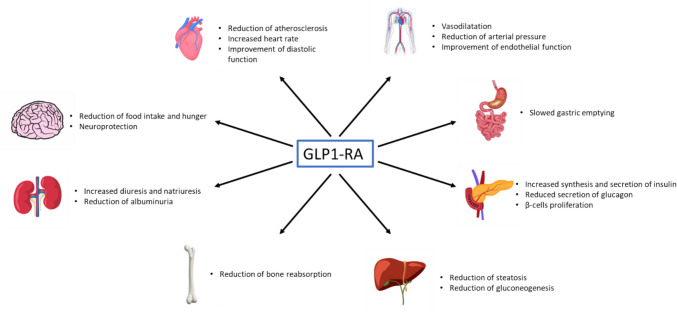
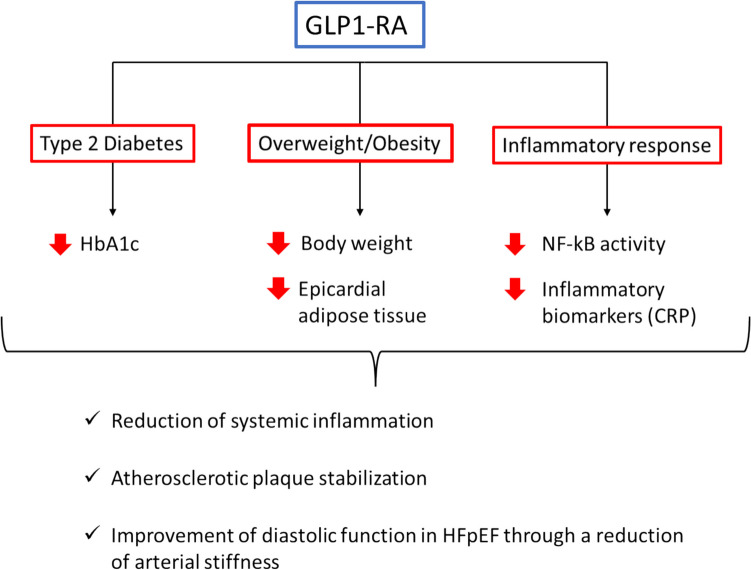
- GLP-1 receptor agonists (GLP-1 RAs) show promise in reducing inflammation and improving outcomes in obese patients.
- Recent trials indicate that GLP-1 RAs, particularly semaglutide, can significantly lower () levels and enhance quality of life.
Essence
- GLP-1 receptor agonists may effectively target inflammation in obese patients with , leading to improved clinical outcomes. Trials demonstrate significant reductions in and enhancements in patient quality of life.
Key takeaways
- GLP-1 RAs like semaglutide can reduce levels by − 43.5% vs − 7.3% with placebo. This reduction in inflammation is crucial for managing .
- In the STEP- trial, semaglutide treatment resulted in weight loss of − 10.7% and improved symptoms and physical limitations in obese patients.
- The anti-inflammatory effects of GLP-1 RAs may provide cardiovascular protection without the side effects associated with traditional anti-inflammatory therapies.
Caveats
- Long-term efficacy and safety of GLP-1 RAs in require further investigation. Current data are promising but preliminary.
- The complexity of , influenced by various comorbidities, necessitates tailored treatment approaches that may not be universally applicable.
Definitions
- Heart Failure with Preserved Ejection Fraction (HFpEF): A type of heart failure where the heart pumps normally but the ventricles do not fill properly due to stiffness.
- C-Reactive Protein (CRP): A protein produced by the liver that increases in response to inflammation, serving as a marker for inflammatory processes.
- Glucagon-Like Peptide-1 Receptor Agonists (GLP-1 RAs): A class of drugs used primarily for diabetes management that also have effects on weight loss and inflammation.
Simplified

