
What this is
- The review examines the relationship between nutrient intake, gut microbiota, and depression.
- It highlights how deficiencies in key nutrients can affect gut microbiota diversity, potentially influencing depressive symptoms.
- The review also identifies critical gaps in current research and suggests future directions for studies on dietary interventions.
Essence
- Nutrient deficiencies can negatively impact gut microbiota, which may play a role in the development of depression. A healthy diet rich in specific nutrients can enhance gut microbiota diversity and reduce depressive symptoms.
Key takeaways
- Nutrient deficiencies, particularly in proteins, lipids, sugars, vitamins, and minerals, are linked to gut microbiota diversity and depression. A healthy diet can promote beneficial gut bacteria and alleviate depressive symptoms.
- Specific dietary patterns, such as the Mediterranean diet, are associated with lower depression risk due to their anti-inflammatory properties and nutrient composition.
- Research gaps include the need for more large-scale human studies to confirm causality and understand the dose-response relationships between nutrient intake and depression.
Caveats
- Current evidence relies heavily on animal studies, with limited large-scale human randomized controlled trials to establish causality.
- Conflicting findings exist regarding the effects of certain nutrients, such as alpha-linolenic acid, on depression, indicating the need for further investigation.
- The review notes that the interactions between nutrients and gut microbiota are complex and not fully understood, which complicates the establishment of clear dietary guidelines.
Simplified
Highlights
1 Introduction
At present, depression has become a major mental illness worldwide (1), especially since the COVID-19 pandemic, when the incidence of depression has accelerated by 25% globally (2, 3). This review focuses on "major depressive disorder (MDD)"—the most common subtype characterized by persistent low mood, loss of interest, and impairment in social/occupational function—rather than bipolar depression or situational depression, as MDD has the strongest evidence linking to dietary and gut microbiota changes (1, 4). According to the Global Burden of Disease Study 2023 [consistent with (2) but more precise], MDD affects approximately 280 million people globally, accounting for 3.6% of the total population; in low- and middle-income countries, the 12-month prevalence of MDD reaches 5.9% (range: 3.8%−10.4%) (5), and post-COVID-19, the incidence in adolescents and young adults (18–25 years) increased by 40% compared with pre-pandemic levels (2). However, existing medical methods (e.g., antidepressants) have a response rate of only 50% in MDD patients (6), and early clinical symptoms of depression (e.g., anhedonia, sleep disturbance) are often ignored, further worsening health outcomes. However, existing medical methods cannot be used to diagnose and prevent depression early, and early clinical symptoms of depression affect the health and function of the human body. Therefore, new approaches are needed for early intervention and prevention of depression. Recent studies have shown that nutritional deficiencies are closely related to mental health (7 –9), and adhering to healthy dietary patterns (e.g., Mediterranean diet) can reduce depression risk—yet these patterns exert effects primarily through their core nutrients (e.g., omega-3 from fish, fiber from vegetables) (10). We focus on nutrient deficiency rather than "diet as a whole" for three reasons: 1. functional specificity: diet is a complex mixture of components, while nutrients (e.g., protein, vitamin D) are the functional units that directly interact with gut microbiota and regulate physiological processes linked to depression (e.g., neurotransmitter synthesis, inflammation) (11, 12); 2. causal relevance: nutrient deficiency (e.g., tryptophan shortage) is a modifiable risk factor for early depression, whereas "unhealthy diet" is a broad concept that includes non-nutritional factors (e.g., food processing) (7, 9); 3. mechanistic clarity: the link between nutrient deficiency, gut microbiota dysbiosis (e.g., reduced Bifidobacterium), and depressive symptoms is more directly measurable (e.g., via SCFA levels, neurotransmitter concentrations) than the vague association between "overall diet" and mood (11, 13). However, owing to the complex relationship between mood and eating habits, people choose some favorite junk food when they are depressed, such as high-fat and high-sugar food (french fries, soda, and fried food); while so-called "comfort food" (e.g., hot pot) and stimulating food (e.g., spicy snacks, processed meats)—the latter share similar high-fat/high-salt traits to the aforementioned unhealthy foods; although these foods can temporarily regulate mood, long-term consumption affects health. Therefore, it is difficult to explain the mechanism by which nutrition regulates mood. This complexity stems from three key aspects: 1. bidirectional interaction between mood and diet: depressive mood may reduce intake of nutrient-dense foods (e.g., vegetables, fish) and increase craving for junk food, forming a "malnutrition-depression" cycle that confounds causal inference (14, 15); 2. interindividual variability: gut microbiota composition (e.g., Bifidobacterium abundance) and nutrient metabolism capacity (e.g., omega-3 conversion efficiency) differ by age, ethnicity, and lifestyle, leading to heterogeneous responses to nutritional intervention (16, 17); 3. multilevel mediation of the gut-brain axis: Nutrients act on mood not directly, but via gut microbiota-derived metabolites (e.g., SCFAs), neurotransmitter synthesis (e.g., tryptophan → 5-HT), and immune inflammation regulation—these cascading pathways are difficult to disentangle in human studies (13, 18).
The gut-brain axis—a bidirectional communication network involving the central nervous system (CNS), enteric nervous system (ENS), and gut microbiota—provides a key framework for understanding "nutrition-microbiota-depression" interactions (13, 18). Specifically, the gut microbiota acts as a "metabolic bridge": it ferment dietary nutrients to produce bioactive metabolites (e.g., SCFAs, tryptophan derivatives), which signal to the brain via three pathways: 1. circulation [e.g., SCFAs enter the bloodstream and cross the blood-brain barrier (19)]; 2. vagus nerve [ENS sensory neurons transmit microbiota-derived signals to the CNS (20)]; 3. immune system [microbiota regulate systemic inflammation, which affects brain function (21, 22)]. Disruption of this axis (e.g., gut dysbiosis reducing SCFA production) is closely associated with MDD, as shown by reduced SCFA levels and altered microbiota composition (e.g., decreased Bifidobacterium) in depressed patients (23, 24). In addition, the gut is the core part of the body's nutrient absorption system, and the microbiota is also involved in the metabolic process of nutrition (13). Interestingly, the microbiota in the gut can also intervene in the development of depression (25). The metabolites of the gut microbiota may affect the synthesis of neurotransmitters through the tryptophan metabolism pathway and interfere with the brain's regulation of emotions (18). However, there is currently a lack of research on the correlations among depression, the gut microbiota and nutrition. Therefore, in this study, we focused on the impact of nutrient deficiency (proteins, lipids, sugars, vitamins and minerals) on the diversity of the gut microbiota, which may be one of the conditions underlying the early occurrence of depression (7 –9, 11).
2 Methods
2.1 Literature search strategy
This review followed a systematic approach aligned with the Preferred Reporting Items for Systematic Reviews and Meta-Analyses (PRISMA) guidelines (). 26
2.2 Study selection criteria
3 Proteins, gut microbiota, and depression
3.1 Association between protein intake and depression
Adequate protein intake is essential for human growth, development, and health maintenance (), and it is also associated with the prevalence of depression (–). However, current research on the relationship between protein sources and depression risk remains limited. Existing studies have only confirmed two key findings: first, milk and plant-derived proteins can reduce the incidence of depression (); second, red meat and processed meat may increase the incidence of depression (). The mood-beneficial effect of milk/dairy and plant proteins stems from their "high biological value": they contain complete essential amino acids (e.g., tryptophan, tyrosine) that are critical for neurotransmitter synthesis—tryptophan is the precursor of 5-hydroxytryptamine (5-HT, a key mood-regulating neurotransmitter), and tyrosine is the precursor of dopamine (related to motivation and pleasure) (). In contrast, red meat/processed meat has lower tryptophan content and may induce gut microbiota dysbiosis [e.g., elevated Bacteroides ()], which exacerbates inflammation and depressive symptoms (). In addition, the impact of individual differences in eating habits on mood has rarely been studied. These research limitations further complicate the effort to clarify the relationship between protein intake and depression. Therefore, this section focuses on exploring the beneficial effects of protein intake. 12 27 30 29 30 31 23 30
It is necessary to emphasize the synergistic role of both "quality" and "quantity" when examining protein's regulation of depression: 1. in terms of quality, the antidepressant effect of high-biological-value proteins (containing complete essential amino acids, such as dairy and fish proteins) is significantly superior to that of low-biological-value proteins (such as single-grain proteins). A cohort study of American adults () showed that individuals who consumed high-biological-value proteins (accounting for more than 50% of total protein intake) daily had a 28% lower risk of depression (OR = 0.72, 95% CI: 0.58–0.89), while low-biological-value proteins did not provide such a protective effect. This is directly related to the higher content of tryptophan and tyrosine in high-biological-value proteins, which support neurotransmitter synthesis (); 2. in terms of quantity, there is a "threshold effect": a study of Indian middle school students () indicated that when daily protein intake was ≥1.2 g/kg body weight, intestinal tryptophan supply was stable, 5-HT (5-hydroxytryptamine) synthesis was sufficient, and depression scores decreased significantly (mean difference = −1.8 points,< 0.01); intake below this threshold increased the risk of depression, while excessive intake (≥2.0 g/kg body weight) did not further enhance the antidepressant effect. Instead, the increased metabolic burden of protein led to a higher abundance of intestinal(), which may induce microbiota dysbiosis. Additionally, tryptophan supplementation (500 mg/day) can temporarily improve mood in patients with mild depression (reducing BDI-II scores by 2.5 points), but high doses (≥1,000 mg/day) may induce serotonin syndrome due to excessive activation of 5-HT (); tyrosine supplementation (1,000 mg/day) is effective for depressed patients with fatigue symptoms (increasing energy scores by 15%), which is related to tyrosine acting as a dopamine precursor to improve motivation (); in contrast, glutamine supplementation (2,000 mg/day) showed no antidepressant effect due to its low blood-brain barrier penetration rate (< 10%) (). These results suggest that single amino acids need to be applied precisely to specific depression subtypes (such as fatigue-type or low-5-HT-type depression) rather than being used as a broad-spectrum intervention. 27 31 28 23 31 32 33 P Bacteroides
3.2 Material basis for proteins influencing depression: amino acids and neurotransmitters
Proteins are macromolecules composed of one or more long amino acid chains, and most neurotransmitters are amino acid derivatives. This material connection provides a key biological basis for proteins to influence depression:
In terms of food sources, tryptophan and tyrosine are widely distributed in different types of foods:
Based on the aforementioned material connections, studies have found that reduced protein intake in elderly mice leads to abnormal neurotransmitter levels and impairments in cognitive and behavioral functions (). This result further confirms the close link between protein intake, neural function, and mood regulation. 37
3.3 Two mechanisms by which proteins influence mood
(1) Tryptophan-serotonin pathway: regulating neurotransmitter synthesis
Notably, tryptophan entry into the CNS is competitively regulated by L-amino acid transporter 1 (LAT1), which is shared with branched-chain amino acids (BCAAs, e.g., leucine, isoleucine). When dietary BCAA intake is high, they occupy LAT1, reducing tryptophan uptake by the brain and subsequently decreasing 5-HT synthesis (,). Additionally, tryptophan hydroxylase exists in two isoforms: Tryptophan hydroxylase 1 (TPH1; predominant in gut enterochromaffin cells) and tryptophan hydroxylase 2 (TPH2; specific to CNS neurons). TPH2 activity in the brain is the rate-limiting step for 5-HT synthesis, and its expression is downregulated by chronic stress—an effect reversed by adequate tryptophan intake (,). Serotonin is a potential biological marker for depression; a decrease in serotonin levels in the body can induce anxiety and depressive symptoms (–). Notably, 90% of the body's serotonin is produced by intestinal enterochromaffin cells (ECs) (), but this intestinal serotonin cannot cross the blood-brain barrier (BBB). The BBB expresses L-amino acid transporter 1 (LAT1), which preferentially transports branched-chain amino acids (BCAAs) over serotonin—preventing intestinal serotonin from entering the CNS (). Instead, CNS serotonin is synthesizedfrom tryptophan that crosses the BBB via LAT1 (when BCAA competition is low) (,). This indicates that protein intake can regulate the synthesis of serotonin by controlling tryptophan supply, thereby participating in the process of mood regulation. 31 38 31 39 40 42 39 31 31 39 de novo
(2) Gut microbiota-mediated protein metabolism: bidirectional regulation of depression-related substances
The gut is the core site for protein absorption and transformation, and gut microbiota, as a key component of nutrient absorption, participates in the absorption, metabolism, and transformation of dietary proteins in the gastrointestinal tract. It mediates the effects of proteins on depression through two pathways:
ECs in the gut are major epithelial chemical sensors and can produce more than 90% of the serotonin in the human body (). SCFAs exert their mood-regulating effects primarily through activating G protein-coupled receptors (GPRs) and inhibiting histone deacetylases (HDACs). G protein-coupled receptors 41 (GPR41) and G protein-coupled receptors 43 (GPR43; expressed on intestinal epithelial cells and immune cells) are activated by acetic acid and propionic acid, triggering downstream signaling that upregulates the expression of tight junction proteins [e.g., occludin, zonula occludens-1 (ZO-1)] to enhance intestinal barrier integrity (,). Butyric acid, in particular, acts as a potent histone deacetylase (HDAC) inhibitor in colonocytes and CNS neurons: it increases histone acetylation at the promoter of the BDNF (brain-derived neurotrophic factor) gene, promoting BDNF transcription—BDNF is critical for neuronal survival and synaptic plasticity, and its downregulation is linked to depression (,). 39 43 44 23 43
Notably, both these protein-fermenting microbiota and their metabolites (e.g., SCFAs) are closely associated with the development of depression (,). For example, the abundance ofincreases in the gut of depressed patients, while the abundances of, anddecrease (). The association between these microorganisms and depression is determined by their metabolic functions: 45 46 23 Bacteroides Bifidobacterium, Lactobacillus Ruminococcus
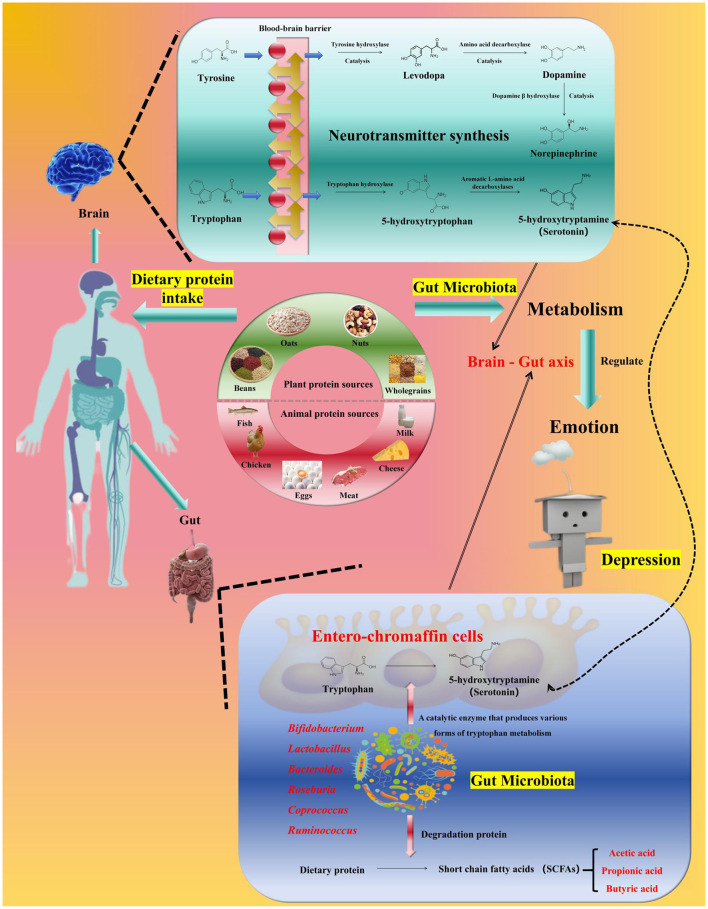
After dietary protein intake, specific gut microbiota (e.g.,, and) can ferment the protein to produce short-chain fatty acids, mainly including acetic acid, propionic acid, and butyric acid (,). Bifidobacterium, Lactobacillus, Bacteroides, Roseburia, Coprococcus Ruminococcus 43 47
Notably, both these protein-fermenting microbiota and their metabolites (SCFAs) are closely associated with the development of depression (,). For example, the abundance of Bacteroides increases in the gut of depressed patients, while the abundances of, anddecrease (). 45 46 23 Bifidobacterium, Lactobacillus Ruminococcus
3.4 The association between proteins, gut microbiota, and depression
In summary, there is a close association between protein absorption, gut microbiota, and depression, which is primarily achieved through the following two mechanisms:
The functions of gut microbiota directly involved in the development of depression (see). Figure 1

Relationships among protein, the gut microbiota, and mood. Dietary protein (milk/plant-derived protein preferred) is fermented by gut microbiota (e.g.,) to produce short-chain fatty acids (SCFAs) and regulate tryptophan metabolism—tryptophan enters the brain to synthesize 5-hydroxytryptamine (5-HT), while SCFAs enhance intestinal barrier function and promote brain-derived neurotrophic factor (BDNF) expression via the gut-brain axis. In contrast, excessive red/processed meat increases, inducing inflammation and exacerbating depression. Key bacterial groups and their functions are labeled to clarify the regulatory cascade. Bifidobacterium, Lactobacillus Bacteroides
3.5 Association between protein intake and depression, and research limitations
However, the current evidence has critical limitations that require balanced interpretation, including conflicting findings, overreliance on observational data, and unclear causality.
4 Omega-3 polyunsaturated fatty acids, the gut microbiota, and depression
4.1 Classification and main sources of dietary fats
Lipids are essential macronutrients, and their dietary sources relevant to depression intervention primarily include:
4.2 The link between lipids, brain function, and depression
Lipids and their metabolic intermediates are core components of brain structure and function, accounting for approximately 50% of the brain's dry weight (). The fatty acid composition of the brain is unique, being rich in long-chain polyunsaturated fatty acids (LC-PUFAs), especially arachidonic acid (AA), EPA, and DHA (). Dietary fatty acid intake can affect the fatty acid composition of different brain regions, thereby influencing mood and behavior (–). 54 55 56 58
Numerous studies have confirmed that omega-3 PUFA deficiency (especially EPA and DHA) may induce depression (–). Deficiency is typically defined as serum EPA + DHA accounting for < 3% of total fatty acids (TFA)—a threshold validated in clinical studies linking low omega-3 status to higher depressive symptom severity (,). As a lipid component abundant in the brain (), Omega-3 polyunsaturated fatty acids are closely related to depression intervention: 59 61 62 63 64
patients with depression have lower levels of Omega-3 polyunsaturated fatty acids (); a meta-analysis covering 26 studies showed that supplementation with EPA (≥1,000 mg/day) + DHA (≥200 mg/day) can improve depressive symptoms (). For food sources: consuming 100–150 g of deep-sea fish (e.g., salmon, mackerel; containing ~2,000 mg EPA + 500 mg DHA per 100 g) daily meets the mood-beneficial intake (,). Clinical evidence: 62 65 5 66
DHA's high concentration in the frontal cortex is critical for maintaining the structure and function of neuronal membranes (e.g., lipid rafts) and neurotransmitter receptors (e.g., 5-HT2A). A reduction in frontal cortex DHA (not complete absence) impairs 5-HT signal transmission and neuroplasticity—key factors contributing to depressive symptoms, though not the sole cause of depression (,). Supplementation with 200–500 mg/day of DHA (as adjuvant therapy) can improve mild to moderate depression (); DHA: 67 68 66
Constitutes less than 1% of total fatty acids in the brain, but when supplemented at 1,000–2,000 mg/day (combined with 200–500 mg/day DHA), it can inhibit the reduction of neurogenesis and decrease the secretion of inflammatory factors () [these cytokines can induce apoptosis and neuroinflammation, and are positively correlated with depressive symptoms ()]; EPA: 69 70
as a precursor of Omega-3 fatty acids, it can be converted into DHA and EPA [the human body cannot synthesize it on its own and must obtain it through foods such as deep-sea fish ()]. A longitudinal study showed that increased ALA intake can alleviate depressive symptoms (), but its antidepressant effect remains controversial (). ALA: 52 71 62
serum levels of EPA and DHA are negatively correlated with moderate to severe depression (,), further confirming the importance of dietary Omega-3 supplementation. Serum metabolic association: 63 72
4.3 Potential mechanisms of omega-3 polyunsaturated fatty acids affecting depression
(1) Regulating neurotransmitter transmission
(2) Modulating immune and inflammatory responses
Depression is often accompanied by an excessive inflammatory response of the immune system, characterized by increased levels of pro-inflammatory cytokines and linoleic acid metabolites (–). EPA and DHA are natural anti-inflammatory substances (), and their anti-inflammatory mechanisms include: 80 82 83
Therefore, Omega-3 fatty acids may achieve antidepressant effects primarily by regulating the functions of immune cells and pro-inflammatory cells.
4.4 The mediating role of gut microbiota between lipid metabolism and depression
The intestine is the main site of lipid metabolism. Gut microbiota can affect mood indirectly by transforming and synthesizing lipids, decomposing dietary lipids to produce regulatory metabolites (–). The specific pathways are as follows: 88 90
(1) Association between gut microbiota and lipid metabolites
Some gut microbiota (such as, and) are associated with lipid metabolites in the blood (,–). Depression can disrupt the structure of gut microbiota (), and microbial metabolites [triglycerides, low-density lipoproteins, high-density lipoproteins, phosphatidylcholine, etc. (,–)] can affect human lipid metabolism (–), thereby influencing mood and cognitive function (–). Bacteroides, Clostridium, Lactobacillus, Bifidobacterium Ruminococcaceae 89 91 94 45 89 91 94 94 96 97 99
(2) How do lipids influence SCFAs production?
SCFAs (acetate, propionate, butyrate, etc.) are the end products of dietary fiber fermentation by gut microbiota, mainly synthesized by genera such as, and(–). Lipids (especially omega-3 PUFAs) do not directly participate in carbohydrate fermentation but indirectly promote SCFA production by: Akkermansia, Bifidobacterium Faecalibacterium 100 102
Their functions include: maintaining intestinal barrier function (), participating in serotonin synthesis (), and regulating lipid metabolism (,). 44 19 104 105
patients with depression have lower levels of acetate and propionate, and higher levels of isocaproic acid in their feces (); Valeric acid, produced mainly by Oscillibacter, has a structure similar to GABA and can bind to its receptors (). The content ofis higher in the feces of depressed patients (), which may play an important role in severe depressive disorders. Association with depression: 24 106 107 Oscillibacter
(3) There exists a distinct "dose-effect window" for the antidepressant effects of Omega-3, which should be stratified based on the severity of depression:
(4) Summary and prospects
Existing studies indicate that lipid metabolism is closely related to mood. It is hypothesized that lipids may affect depression through three main pathways:
However, there is still insufficient evidence to explain the specific associations between lipid metabolism, gut microbiota, and mood, which remains a hot topic in current research.
4.5 Association between omega-3 fatty acids intake and depression, and research limitations
The cited evidence has gaps, including overreliance on observational data and heterogeneous intervention studies:
5 Sugars (dietary fiber), the gut microbiota, and depression
Carbohydrates serve as the primary energy source for all living organisms to sustain life activities. With the improvement of living standards, sugar-containing foods—especially children's foods and sugary beverages—are ubiquitous. A series of studies have demonstrated that excessive consumption of high-sugar foods disrupts the body's normal glucose metabolism, leading to metabolic diseases such as diabetes, hypertension, and obesity (108 –110). One study revealed that a high-sugar diet is associated with an increased risk of 45 diseases, including 18 endocrine disorders, 10 cardiovascular diseases, seven types of cancer, and 10 other conditions (depression included) (111). However, dietary carbohydrates encompass not only monosaccharides (e.g., glucose, fructose) and disaccharides (e.g., sucrose, lactose) but also polysaccharides and added sugars (artificial sweeteners) (112). This article focuses on dietary fiber (a type of polysaccharide) and explores its correlative mechanisms with gut microbiota and depression.
5.1 Classification and main sources of dietary fiber
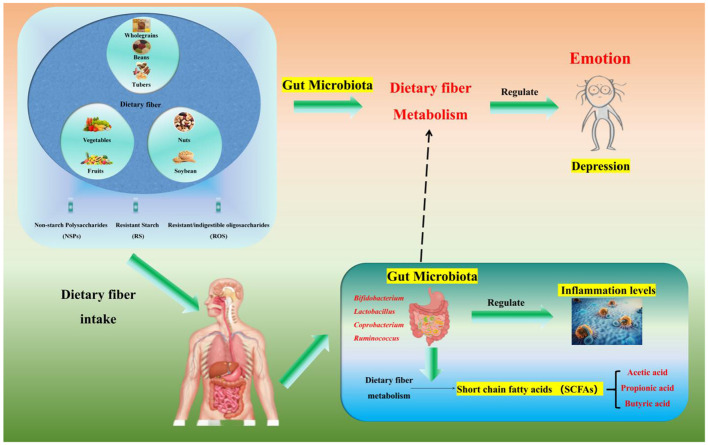
Dietary fiber is a class of carbohydrates found in plant-based foods such as whole grains, vegetables, fruits, and legumes (). Based on the physiological properties of monomer unit (MU) polymerization, it can be categorized into three main types: 113
5.2 Interaction between dietary fiber and gut microbiota
The human body cannot secrete the polysaccharide hydrolases required to decompose dietary fiber independently. However, gut microbiota can produce a variety of polysaccharide hydrolases to degrade dietary fiber and utilize it as an energy source (). Different types of dietary fiber exhibit specific regulatory effects on the composition of gut microbiota: 116
(1) Regulation of gut microbiota by NSPs
Inulin, a representative NSP, can significantly increase the abundance of beneficial bacteria in the gut. Studies have shown that inulin supplementation increases the abundance ofby 8.38%, Lactobacillus by 0.26%−1.26%, andby 0.2% (), supporting the balance of the intestinal microecosystem. Bifidobacterium Faecalibacterium 117
(2) Regulation of gut microbiota by RS
When the diet is rich in resistant starch, the abundance of specific gut bacteria changes: the counts of, andincrease significantly (). The proliferation of these bacteria helps enhance intestinal metabolic function, laying the foundation for subsequent metabolite production. Faecalibacterium, Roseobacter Ruminococcus 114
(3) Regulation of gut microbiota by RIOS
Different types of oligosaccharides exert targeted regulation on gut microbiota:
Notably, previous studies have confirmed that the aforementioned gut bacteria regulated by dietary fiber (e.g.,) are closely associated with depression (), providing a critical link for dietary fiber to intervene in depression via gut microbiota. Bifidobacterium, Lactobacillus, Faecalibacterium 45
5.3 Potential mechanisms of dietary fiber affecting depression
(1) Mood regulation mediated by SCFAs produced via gut microbiota fermentation
Dietary fiber cannot be digested and absorbed by the human body but can be partially or fully fermented by gut microbiota (). This fermentation process generates various byproducts, among which SCFAs are the core pathway connecting gut microbiota and host metabolic interactions (consistent with the previously mentioned mechanism by which proteins and lipids improve mood through the microbiota-SCFAs axis). The specific functional logic is as follows: 122
(2) Improvement of depression by regulating inflammatory levels
Inflammation is closely associated with mood, as evidenced by the following: patients with acute symptomatic psychosis often exhibit acute inflammatory states; psychological stress—a major risk factor for depression—can induce inflammatory responses and increase inflammatory markers in healthy volunteers (–); cytokines are involved in the development of depressive symptoms, and environmental factors may also trigger both depression and immune disorders (–). Additionally, the levels of anti-inflammatory cytokines are often elevated in patients with major depressive disorder (,), further highlighting the key role of inflammation in depression. 127 129 127 129 130 131
Dietary fiber-derived SCFAs suppress intestinal inflammation by inhibiting the activation of the NLRP3 (NLR family pyrin domain containing 3) inflammasome—a multiprotein complex that mediates caspase-1-dependent maturation of IL-1β. GPR43 activation by SCFAs reduces intracellular ATP depletion and reactive oxygen species (ROS) production, which are critical for NLRP3 assembly (,). Furthermore, fiber fermentation increases gutabundance; this bacterium produces anti-inflammatory metabolites (e.g., butyrate androsmarinic acid) that downregulate the expression of TLR4 and CD14 (Cluster of Differentiation 14) on intestinal macrophages, limiting LPS (Lipopolysaccharides)-induced inflammatory responses (,). 132 133 132 134 Faecalibacterium prausnitzii
Dietary fiber can indirectly intervene in depression by regulating inflammatory levels, supported by the following research evidence:
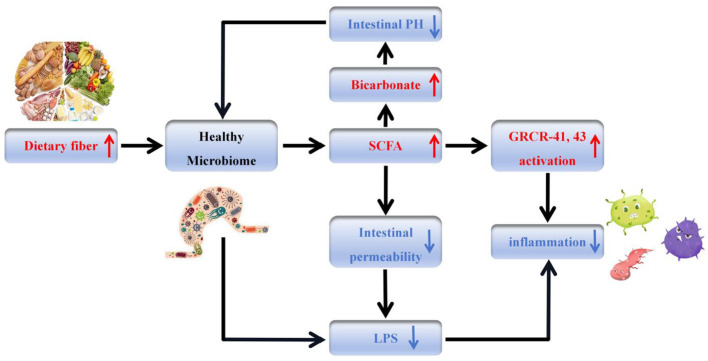
Thus, dietary fiber can break the "inflammation-depression" vicious cycle by reducing systemic inflammatory levels, thereby improving depressive symptoms (). Figure 2
![Relationships among dietary fiber, the intestinal microbiota and mood. Dietary fiber (a polysaccharide, including non-starch polysaccharides/NSPs such as inulin from onions, resistant starch/RS such as cooled potato starch, and resistant/indigestible oligosaccharides/RIOS such as fructooligosaccharides—each targeting specific gut bacteria) regulates gut microbiota and alleviates depression via metabolite short-chain fatty acids (SCFAs) mediation: it remodels gut microbiota by increasing, andabundance through NSPs/RIOS and enrichingand(key butyrate-producing bacteria) through RS, and exerts anti-depressant effects via SCFAs [acetate/propionate activate GPR41/43 to upregulate tight junction proteins (ZO-1, Occludin) for intestinal barrier protection by reducing LPS translocation; butyrate crosses the blood-brain barrier via MCT1 to inhibit HDACs and promote BDNF expression for neuroplasticity promotion, which is critical for neuronal survival; SCFAs suppress the NLRP3 inflammasome to reduce intestinal and systemic inflammation, breaking the "inflammation-depression" cycle], with depressed patients typically showing reduced fecal acetate/propionate levels that align with the fiber-microbiota-SCFA-mood axis. Bifidobacterium, Lactobacillus Faecalibacterium Roseburia Ruminococcus](https://europepmc.org/articles/PMC12568435/bin/fnut-12-1581848-g0002.jpg "Click to view full size")
Relationships among dietary fiber, the intestinal microbiota and mood. Dietary fiber (a polysaccharide, including non-starch polysaccharides/NSPs such as inulin from onions, resistant starch/RS such as cooled potato starch, and resistant/indigestible oligosaccharides/RIOS such as fructooligosaccharides—each targeting specific gut bacteria) regulates gut microbiota and alleviates depression via metabolite short-chain fatty acids (SCFAs) mediation: it remodels gut microbiota by increasing, andabundance through NSPs/RIOS and enrichingand(key butyrate-producing bacteria) through RS, and exerts anti-depressant effects via SCFAs [acetate/propionate activate GPR41/43 to upregulate tight junction proteins (ZO-1, Occludin) for intestinal barrier protection by reducing LPS translocation; butyrate crosses the blood-brain barrier via MCT1 to inhibit HDACs and promote BDNF expression for neuroplasticity promotion, which is critical for neuronal survival; SCFAs suppress the NLRP3 inflammasome to reduce intestinal and systemic inflammation, breaking the "inflammation-depression" cycle], with depressed patients typically showing reduced fecal acetate/propionate levels that align with the fiber-microbiota-SCFA-mood axis. Bifidobacterium, Lactobacillus Faecalibacterium Roseburia Ruminococcus
5.4 Different kinds of dietary fibers and their diverse effects on gut inflammation
Section 5.3 has partially discussed the regulatory role of dietary fiber in gut inflammation; however, the differential effects of various dietary fiber types on gut inflammation warrant further elaboration. Based on the existing evidence and the central framework of this review, the specific distinctions and underlying mechanisms are further detailed as follows (): Table 1
(1) NSPs: targeted inhibition of pro-inflammatory pathways
As one of the most extensively studied categories of dietary fiber (see Section 5.1), NSPs, such as inulin and β-glucan, demonstrate significant anti-inflammatory properties through modulation of gut microbiota and enhancement of SCFAs production.
(2) RS: Regulation of inflammation via microbiota-metabolite axis
RS, such as RS3 derived from cooled potatoes, differs from NSPs in terms of fermentation rate and anti-inflammatory targets, demonstrating particularly pronounced effects on colonic mucosal inflammation.
(3) RIOS: modulation of local inflammatory microenvironment
RIOS, such as FOS (Fructo - OligoSaccharide), are characterized by shorter monomer chains (degree of polymerization 3–9) and rapid fermentation, making them particularly effective in alleviating mild-to-moderate gut inflammation.
| Dietary fiber type | Representative examples | Key microbiota targets | Anti-inflammatory mechanism | Evidence source |
|---|---|---|---|---|
| NSPs | Inulin, oat β-glucan | Bifidobacterium, Faecalibacterium | Butyrate-mediated NF-κB inhibition; tight junction enhancement | (,,) [117] [121] [132] |
| RS | Cooled potato starch (RS3) | Roseburia, F. prausnitzii | NLRP3 inflammasome suppression; mucosal barrier repair | (,) [114] [135] |
| ROS | Fructooligosaccharides (FOS) | Lactobacillus, Bifidobacterium | GPR43 activation; antimicrobial peptide secretion | (,) [118] [122] |
5.5 Association between dietary fiber intake and depression, and research limitations
The SCFA-mediated pathway has notable limitations, including overreliance on animal models and unproven causality.
6 Vitamins, gut microbiota, and depression
Vitamins are organic compounds essential for maintaining human health. As regulatory substances, they play a crucial role in material metabolism. However, the human body cannot synthesize these substances or produces them in insufficient quantities, so they must be primarily obtained from food. Vitamins are generally classified into fat-soluble vitamins and water-soluble vitamins:
For instance, certain vitamins (e.g., vitamin A and vitamin C) possess direct antibacterial effects in vitro or in vivo (138, 139). Additionally, water-soluble vitamins diffuse through the intestinal wall into the bloodstream, while fat-soluble vitamins are emulsified and encapsulated in lipid-rich micellar mixtures containing fatty acids, bile salts, and phospholipids. These fat-soluble vitamins then pass through the brush border (villi), are absorbed into the lymphatic circulation, and ultimately delivered to tissues, target cells, or organs (137).
Recent studies have shown that the gut microbiota also functions as a "producer" of vitamins, contributing to the adequacy of micronutrients and the stability of gut microbial communities (140). Dysbiosis of the gut microbiota and vitamin deficiency are interconnected, and this relationship may directly affect host health—vitamin intake alters the composition and biological functions of the gut microbiota (141 –143). Although vitamins are not used as energy sources, they can interact bidirectionally with the gut microbiota through direct or indirect means. Furthermore, growing evidence indicates that nutritional regulation of the gut microbiota is a potentially beneficial therapeutic strategy.
6.1 Water-soluble vitamins: classification, interaction with gut microbiota, and mechanisms
Water-soluble vitamins mainly include B-group vitamins (B1, B2, B3, B5, B6, B7, B9, and B12) and vitamin C. Among them, B-group vitamins can be synthesized by the gut microbiota (), while vitamin C can be synthesized by the gut microbiota in addition to dietary supplementation (). 144 145
(1) Effects of B-group vitamins on the gut microbiota
B-group vitamins maintain the balance of the intestinal microecosystem by regulating the abundance of specific microbiota, supported by the following research evidence:
(2) Effects of vitamin C on the gut microbiota
Vitamin C (ascorbic acid) has attracted considerable attention due to its well-documented antioxidant and anti-inflammatory properties (,). However, research on the relationship between vitamin C and the gut microbiota remains limited, with only two clinical trials exploring the effects of vitamin C supplementation on the gut microbiota: 150 151
6.2 Fat-soluble vitamins: classification, interaction with gut microbiota, and mechanisms
Fat-soluble vitamins mainly include vitamin A, vitamin D, vitamin E, and vitamin K (). Among them, vitamin A, vitamin D, and vitamin E are primarily obtained through dietary supplementation and absorbed via metabolism in the small intestine (–); in addition to dietary intake, vitamin K can also be synthesized by the gut microbiota (,). 137 154 156 157 158
(1) Effects of vitamin A on the gut microbiota
Vitamin A improves vision, regulates growth and development, and modulates immune function. It is mainly derived from retinol in meat and fish, and carotenoids in fruits and vegetables (). Since 70%−90% of vitamin A is absorbed in the gut (), it has a potential association with the gut microbiota, as evidenced by: 159 160
(2) Effects of vitamin D on the gut microbiota
Vitamin D deficiency is associated with intestinal diseases such as ulcerative colitis, Crohn's disease (CD), and other inflammatory bowel diseases (,). Based on studies of these intestinal diseases, vitamin D has been confirmed to regulate the growth of the gut microbiota, with specific findings as follows: 168 169
Vitamin D exerts its effects by binding to the vitamin D receptor (VDR), a nuclear transcription factor. In intestinal epithelial cells, VDR forms a heterodimer with the retinoic acid X receptor (RXR) and binds to vitamin D response elements (VDREs) in the promoter regions of genes encoding antimicrobial peptides (AMPs), such as defensins and cathelicidins (,). AMPs selectively inhibit the growth of pro-inflammatory bacteria (e.g.,) while promoting the proliferation of beneficial taxa (e.g.,(,). Additionally, VDR activation upregulates tight junction proteins (ZO-1, occludin) and downregulates pro-inflammatory cytokines (IL-6, TNF-α) by inhibiting NF-κB, thereby linking gut microbiota balance to reduced systemic inflammation and depression (,). 103 170 170 171 103 172 Enterobacteriaceae Roseburia, Akkermansia)
Schäffler et al. () conducted oral vitamin D intervention in CD patients and found that 1 week after vitamin D1 supplementation, the abundances of Alistipes, Barnesiella, unclassified Porphyromonadaceae, Roseburia, Anaerotruncus, Subdoligranulum, and unclassified Ruminococcaceae in the patients' guts increased significantly (); Study on CD patients: 103 103
Ooi et al. () found that vitamin D regulated the composition of the gut microbiota (including Bacteroidetes, Proteobacteria, Firmicutes, Deferribacteres, Lactobacillaceae, and Lachnospiraceae) in a mouse colitis model induced by dextran sulfate sodium (); Study on mouse colitis model: 171 171
two large-scale cohort studies on the effects of vitamin D supplementation on the infant gut microbiota showed that maternal diet and plasma vitamin D levels were negatively correlated with Bifidobacterium and Clostridioides difficile in infants (); moreover, maternal vitamin D supplementation may reduce the growth of Clostridioides difficile in infants (). Mother-infant cohort studies: 173 172
Although the above studies have specific designs, they all confirm that vitamin D has the ability to regulate the gut microbiota (). 170
(3) Effects of vitamin E on the gut microbiota
The natural sources of vitamin E are mainly the oily components of nuts and oilseeds, which exhibit antioxidant, anti-inflammatory, anti-aging, and anti-cancer properties (,). Vitamin E also interacts with the gut microbiota, supported by the following evidence: 174 175
a study exploring the relationship between dietary intake and maternal gut microbiota showed that higher vitamin E intake was associated with lower levels of(especially Sutterella) ().have pro-inflammatory properties, andis highly abundant in the guts of autistic patients (); Study on maternal gut microbiota: Proteobacteria Proteobacteria Sutterella 176 177
Tang et al. () conducted a randomized trial of iron and vitamin E supplementation in Fe-deficient infants in the United States. They found that higher serum vitamin E concentrations in infants were associated with higher relative abundance of(a butyrate-producing bacterium) (); Fe (Iron) and vitamin E supplementation trial in infants: 178 178 Roseburia
Pham et al. found that vitamin E increased the relative abundances of, and, while also increasing the levels of acetate, butyrate, and propionate (); supplementation with tocotrienols (one of the main natural forms of vitamin E) increased the level ofin the guts of mice (). In vitro Akkermansia, Bifidobacterium Faecalibacterium Verrucomicrobia and animal experiments: 146 179
Currently, research on the effects of vitamin E on the gut microbiota remains limited, lacking systematic study validation.
(4) Effects of vitamin K on the gut microbiota
Vitamin K is mainly obtained from green leafy vegetables and vegetable oils in the diet. It can also be acquired from menadione in fermented foods or through biosynthesis by the gut microbiota (). Its main function is anticoagulation (), and it also regulates osteocalcin synthesis (), inhibits inflammation (), and suppresses the growth of certain cancer cells (,). Research on vitamin K and the gut microbiota is scarce, with existing evidence as follows: 158 180 181 182 183 184
Wagatsuma et al. () explored the relationship between the gut microbiota and vitamin K deficiency in CD patients and found that vitamin K deficiency significantly reduced the diversity of the gut microbiota, includingand; Study on CD patients: 185 Ruminococcaceae Lachnospiraceae
Seura et al. () investigated the relationship between habitual dietary intake and the gut microbiota in the Japanese population. They found that young Japanese women with high vitamin K intake had higher relative abundances ofandin their guts (); Study on diet and microbiota in Japanese population: 186 186 Bifidobacterium Lactobacillales
A study exploring the effects of a diet high in whole or refined grains on(fecal/serum) menadione concentrations and gut microbiota composition in men and postmenopausal women showed that menadione increased the abundances ofand(); Study on fermented foods and menadione: in vivo Bacteroides Prevotella 187
In vitamin K-deficient female C57BL/6 mice, the abundances ofandin the gut were reduced (), consistent with the findings of Wagatsuma et al. However, gender differences may exist in the effects of vitamin K deficiency on the gut microbiota (), leading to insufficient evidence to explain the relationship between vitamin K and the gut microbiota. Animal experiments: Lachnospiraceae Ruminococcaceae 188 189
Furthermore, recent studies have found that the gut microbiota affects patients' responses to anticoagulants and the vitamin K antagonist warfarin (,). Therefore, there is an urgent need to strengthen basic research on the relationship between vitamin K and the gut microbiota. 190 191
6.3 Potential mechanisms of vitamins regulating depression via the gut microbiota
Based on the above research on the relationship between vitamins and the gut microbiota, it can be concluded that both water-soluble vitamins (B-group vitamins, vitamin C) and fat-soluble vitamins (vitamin A, D, E, and K) can alter the composition of the gut microbiota. They can also promote the growth of probiotics such as, and()—these microbiota have been confirmed to be negatively associated with depression (). The specific mechanisms by which vitamins regulate depression can be summarized into two points: Bifidobacterium, Faecalibacterium, Akkermansia, Clostridia Lactobacillus 192 45
(1) Improving depression by promoting probiotic growth and SCFA metabolism
Thus, dietary vitamin supplementation can regulate and prevent depressive mood by promoting probiotic growth and optimizing SCFA metabolism.
(2) Counteracting mood-related damage by enhancing anti-inflammatory capacity
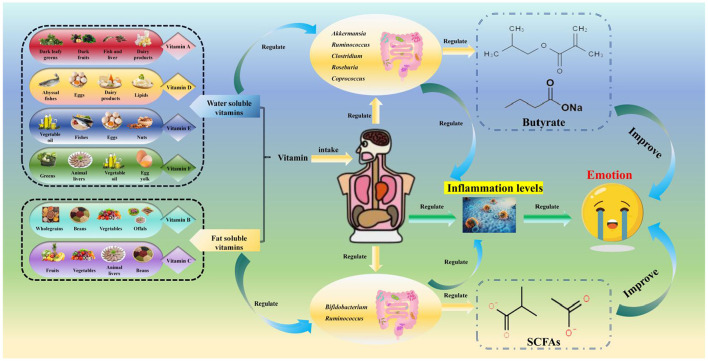
Negative emotions can increaseinflammatory levels (,), and vitamins can offset the damage to the host caused by negative emotions by enhancing the body's anti-inflammatory capacity (,,), thereby indirectly improving depressive states (). in vivo 21 22 179 199 200 Figure 3
![Relationships among vitamins, the gut microbiota, and mood. The categories, sources, gut microbiota-regulating effects, and anti-depressant mechanisms of vitamins: it first presents vitamin categories and their sources [fat-soluble vitamins: vitamin A from dark leafy greens/liver, vitamin D from deep-sea fish/dairy, vitamin E from nuts/vegetable oil, vitamin K from green leafy vegetables/gut microbiota synthesis; water-soluble vitamins: B-group vitamins (B6/B12) from whole grains/offals, vitamin C from fruits/vegetables], then details their gut microbiota regulation [vitamin D/A increase, andabundance, with vitamin D activating vitamin D receptors (VDR) to produce antimicrobial peptides and inhibit pro-inflammatory bacteria; B-group vitamins promotegrowth (supporting SCFA production) and are synthesized by gut microbiota such as B6/B12 by; vitamin C enrichesand, vitamin E increases, while evidence for vitamin E/K remains limited], and finally explains their anti-depressant mechanisms (vitamins D/B6/B12 enhance SCFA production via beneficial bacteria to regulate the HPA axis and neuroplasticity; vitamin D/A reduce systemic inflammation by inhibiting NF-κB signaling; vitamin B6 acts as a coenzyme in the tryptophan-kynurenine pathway to reduce neurotoxic quinolinic acid production). Akkermansia, Roseburia Bifidobacterium Faecalibacterium Bacteroidetes Lachnospiraceae Bifidobacterium Roseburia](https://europepmc.org/articles/PMC12568435/bin/fnut-12-1581848-g0003.jpg "Click to view full size")
Relationships among vitamins, the gut microbiota, and mood. The categories, sources, gut microbiota-regulating effects, and anti-depressant mechanisms of vitamins: it first presents vitamin categories and their sources [fat-soluble vitamins: vitamin A from dark leafy greens/liver, vitamin D from deep-sea fish/dairy, vitamin E from nuts/vegetable oil, vitamin K from green leafy vegetables/gut microbiota synthesis; water-soluble vitamins: B-group vitamins (B6/B12) from whole grains/offals, vitamin C from fruits/vegetables], then details their gut microbiota regulation [vitamin D/A increase, andabundance, with vitamin D activating vitamin D receptors (VDR) to produce antimicrobial peptides and inhibit pro-inflammatory bacteria; B-group vitamins promotegrowth (supporting SCFA production) and are synthesized by gut microbiota such as B6/B12 by; vitamin C enrichesand, vitamin E increases, while evidence for vitamin E/K remains limited], and finally explains their anti-depressant mechanisms (vitamins D/B6/B12 enhance SCFA production via beneficial bacteria to regulate the HPA axis and neuroplasticity; vitamin D/A reduce systemic inflammation by inhibiting NF-κB signaling; vitamin B6 acts as a coenzyme in the tryptophan-kynurenine pathway to reduce neurotoxic quinolinic acid production). Akkermansia, Roseburia Bifidobacterium Faecalibacterium Bacteroidetes Lachnospiraceae Bifidobacterium Roseburia
6.4 Association between dietary fiber intake and depression, and research limitations
The claim of a "synergistic relationship" between B-group vitamins and the gut microbiota is overstated, as the supporting evidence has critical quality limitations.
7 Mineral elements, gut microbiota, and depression
Mineral elements in the human body, also referred to as inorganic salts, are closely associated with human health. They participate in metabolic processes but cannot be produced or synthesized by the human body itself. Therefore, the host primarily acquires these nutrients through dietary supplementation (201, 202). Based on their effects on human health, mineral elements are generally categorized into essential elements, non-essential elements, and toxic elements (203). These elements have been shown to be involved in multiple physiological functions:
Deficiencies in mineral elements can lead to various diseases. For example, patients with neurodegenerative diseases often exhibit zinc (Zn) deficiency (208); calcium (Ca) deficiency may cause chronic conditions such as osteoporosis, arterial hypertension, and colon cancer (209, 210); and low Fe intake can result in iron deficiency anemia (211).
7.1 Inorganic salts and the gut microbiota
Mineral elements are essential for sustaining human life activities and normal physiological functions, and the gastrointestinal tract serves as the primary site for their absorption and metabolism. However, comprehensive studies on the relationship between the gut microbiota and mineral elements remain limited, with most research focusing on essential elements (,–). This section therefore discusses the associations between five key essential elements (Ca, Mg, Fe, Zn, and Se) and the gut microbiota. 205 212 214
(1) Ca and the gut microbiota
Ca is an essential element for the human body. As an enzyme activator, it participates in biological pathways such as bioelectrical impulse conduction, blood coagulation, muscle contraction, inflammation, and hormone secretion (,). Dairy products are the primary dietary sources of Ca, with milk, yogurt, and cheese being the most common. After ingestion, Ca is mainly absorbed in the small and large intestines (). Research on the Ca-gut microbiota relationship has primarily focused on animal studies related to osteoporosis: 215 216 217
While the specific mechanism underlying the interaction between Ca and the gut microbiota has not been fully elucidated, a potential pathway has been proposed:andin the gut produce short-chain fatty acids (SCFAs, primarily butyrate), which lower colonic pH, increase ionic Ca concentration, and promote Ca absorption via passive diffusion through the paracellular pathway (,). This provides a direction for further investigating the Ca absorption-microbiota interaction. Bifidobacterium Lactobacillus 221 222
(2) Mg and the gut microbiota
Mg is the fourth most abundant cation in the human body (). As a cofactor for over 300 enzymatic reactions, Mgis involved in critical metabolic pathways, including nutrient catabolism, oxidative phosphorylation, DNA and protein synthesis, neuromuscular excitability, and parathyroid hormone secretion (). The main dietary sources of Mg include nuts, vegetables, and dairy products (). The intestinal absorption rate of Mgranges from 30 to 50%, with absorption occurring primarily in the small intestine and to a small extent in the colon (). Understanding of the interaction between Mg and gut microbiota diversity remains limited, with key findings as follows: 223 224 225 226 2+ 2+
Conversely, a high-Mg diet increased the abundances of, and(). Since Proteobacteria is a key marker of microbiota dysbiosis (), excessive dietary Mg supplementation may disrupt intestinal microbial balance. Proteobacteria, Parabacteroides, Butyricimonas Victivallis 230 231
These findings suggest a dose-dependent relationship between dietary Mg intake and the gut microbiota, but additional clinical studies are needed to clarify its physiological regulatory pathways.
(3) Fe and the gut microbiota
As a key component of hemoglobin, Fe not only facilitates oxygen transport in the body but also participates in biological pathways such as DNA metabolism and mitochondrial function (). It also serves as an active-site metal for enzymes like catalase, peroxidase, and cytochrome (). Dietary Fe exists in heme and non-heme forms, with primary sources including cereals, vegetables, legumes, and fruits. In the small intestine, Febinds to transferrin to form ferritin, which enables Fe absorption (). Key insights into the Fe-gut microbiota relationship include: 232 233 234 2+
Notably, several studies showed that dietary Fe supplementation reduces the abundances ofandin the infant gut (–). Additionally, Fe supplementation was associated with increased calprotectin levels in infants, indicating heightened intestinal inflammation (). These results suggest that the impact of Fe supplementation on gut microbiota diversity may vary with host age. Currently, studies on host-related factors influencing the Fe-gut microbiota relationship are scarce, and the exact mechanism by which Fe levels alter gut microbiota structure and activity remains unclear, requiring more experimental evidence. Bifidobacteria Lactobacillus 242 244 244
(4) Zn and the gut microbiota
Zn is the second most abundant metallic element in the human body (after Fe). It is involved in biological functions such as biomacromolecule synthesis, neurotransmission, hormone release, and regulation of the oxidative cascade and immune system (,). It also acts as a cofactor in enzymatic catalytic processes (). Dietary Zn is widely available in poultry, seafood, legumes, nuts, whole grains, and small amounts in dairy products (). Zn absorption occurs throughout the small intestine, primarily in the duodenum and jejunum (). 245 246 247 248 249
Zn exerts its mucosal protective effects by binding to zinc finger transcription factors (e.g., ZNF365) and activating the expression of mucin 2 (MUC2)—the major component of intestinal mucus (,). Additionally, Zn inhibits the TLR4/MyD88/NF-κB pathway in intestinal macrophages: it binds to the TLR4 extracellular domain, preventing LPS binding, and suppresses IκBα phosphorylation, thereby reducing the transcription of pro-inflammatory cytokines (IL-1β, IL-6) (,). In gut microbiota, Zn is a cofactor for bacterial metalloenzymes (e.g., alkaline phosphatases in), which dephosphorylate LPS and reduce its endotoxin activity (,). Zn is essential for the gut microbiota, which absorbs approximately 20% of dietary Zn. However, clinical evidence for the Zn-gut microbiota relationship is limited, with most data from animal studies: 250 251 252 253 254 255 Lactobacillus
However, dose-response studies are currently lacking. Further evidence is required to fully elucidate the relationship between zinc intake and the composition of the gut microbiota.
(5) Se (Selenium) and the Gut Microbiota
Se is an essential micronutrient with antioxidant, anti-inflammatory, and antiviral properties (). Se deficiency can cause thyroid, cardiac, and skeletal muscle diseases (,), and low plasma Se levels are associated with impaired cognitive function and neurological disorders (). Dietary Se is obtained in both organic and inorganic forms, with Brazil nuts, cereals, meat, fish, seafood, and dairy products being the best sources (). Se absorption primarily occurs in the small intestine ()—the colon has lower Se absorption due to its low oxygen content (). 257 258 259 260 261 262 263
Se exerts its biological effects as a component of selenoproteins, such as glutathione peroxidase (GPx) and thioredoxin reductase (TrxR). In the gut,andconvert inorganic Se to organic Se, which is more bioavailable to the host (,). GPx1, expressed in intestinal epithelial cells, scavenges ROS and prevents lipid peroxidation of the gut barrier. TrxR1 regulates Treg cell differentiation by reducing oxidative stress, promoting IL-10 secretion and suppressing T helper cell 17 (Th17)-mediated inflammation (,). Additionally, Se supplementation increasesabundance, which enhances gut barrier function by upregulating MUC2 and tight junction proteins—this reduces LPS translocation and systemic inflammation linked to depression (,). Lactobacillus Bifidobacterium Akkermansia muciniphila 264 265 264 266 264 267
Key insights into the Se-gut microbiota relationship include:
These studies confirm a close relationship between dietary Se and the gut microbiota, suggesting Se may have potential for microbiota-mediated disease treatment. Thus, understanding the Se-gut microbiota interaction is of great significance.
7.2 Mineral elements - gut microbiota - depression
It is estimated that over 2 billion people worldwide are deficient in key mineral elements (). Mineral elements have been linked to cognitive function (), intestinal disorders (), and mental disorders (). However, their role in the etiology and progression of depression remains unclear. Based on the aforementioned mineral element-gut microbiota relationships and the role of the gut-brain axis in depression (,), this section analyzes the association between mineral elements and depressive symptoms from the perspective of how dietary mineral intake modulates the gut microbiota. 272 273 274 275 276 277
(1) Evidence for mineral elements in depression intervention
Micronutrient supplementation has been investigated as an adjunctive treatment for depression, with Fe, Zn, Mg, and Se being the most studied:
(2) Potential mechanisms: mineral elements → Gut microbiota → depression
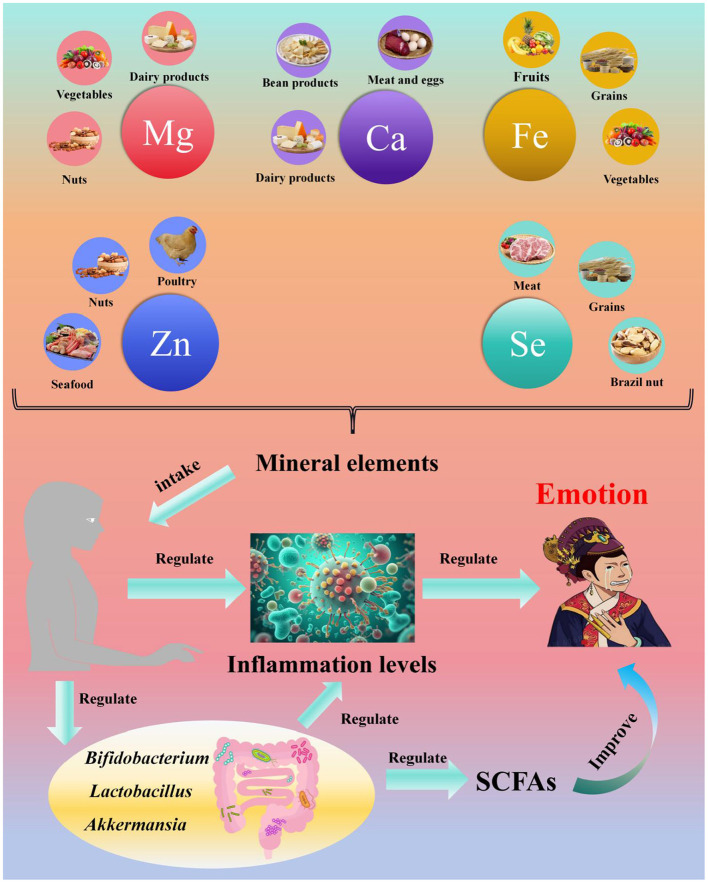
These micronutrients may influence depression through similar biological pathways, with the gut microbiota serving as a key mediator. As highlighted in the preceding sections, mineral elements (Ca, Mg, Fe, Zn, and Se) promote the growth of beneficial gut bacteria, including, and Akkermansia (,,,); these beneficial microbiota improve depression-like symptoms through two core pathways: Bifidobacterium, Lactobacillus 227 242 254 264
Further prospective studies are required to:
![Relationships among minerals, the gut microbiota, and mood. The sources, optimal intake, gut microbiota interactions, and anti-depressant pathways of minerals, along with key notes: it includes specific minerals [zinc (Zn): optimal 15–20 mg/day, from poultry/seafood/legumes; selenium (Se): optimal 50–100 μg/d, from Brazil nuts/fish; iron (Fe): optimal 15–20 mg/day, heme Fe from red meat, non-heme Fe from cereals; calcium (Ca) and magnesium (Mg): from dairy/nuts, with weaker depression evidence], their gut microbiota interactions (Zn/Se promoteand, Zn upregulating intestinal tight junction proteins, Se enhancing GPx activity; moderate Fe increases Lactobacillus to improve Fe absorption while excess Fe inhibits; Ca increasesin obese mice, Mg deficiency enriches pro-inflammatory), anti-depressant pathways (Zn/Se reduce LPS-induced inflammation and support SCFA production via beneficial bacteria; Fe maintains tryptophan metabolism to prevent 5-HT deficiency; mineral-regulated microbiota signal to the brain via SCFAs and the vagus nerve to alleviate depressive symptoms), and a note that dotted lines indicate "risk effects" of excessive intake (e.g., >40 mg/day Zn leading toovergrowth). Lactobacillus, Akkermansia Faecalibacterium Bifidobacterium Bifidobacterium Proteobacteria Enterococcus](https://europepmc.org/articles/PMC12568435/bin/fnut-12-1581848-g0004.jpg "Click to view full size")
Relationships among minerals, the gut microbiota, and mood. The sources, optimal intake, gut microbiota interactions, and anti-depressant pathways of minerals, along with key notes: it includes specific minerals [zinc (Zn): optimal 15–20 mg/day, from poultry/seafood/legumes; selenium (Se): optimal 50–100 μg/d, from Brazil nuts/fish; iron (Fe): optimal 15–20 mg/day, heme Fe from red meat, non-heme Fe from cereals; calcium (Ca) and magnesium (Mg): from dairy/nuts, with weaker depression evidence], their gut microbiota interactions (Zn/Se promoteand, Zn upregulating intestinal tight junction proteins, Se enhancing GPx activity; moderate Fe increases Lactobacillus to improve Fe absorption while excess Fe inhibits; Ca increasesin obese mice, Mg deficiency enriches pro-inflammatory), anti-depressant pathways (Zn/Se reduce LPS-induced inflammation and support SCFA production via beneficial bacteria; Fe maintains tryptophan metabolism to prevent 5-HT deficiency; mineral-regulated microbiota signal to the brain via SCFAs and the vagus nerve to alleviate depressive symptoms), and a note that dotted lines indicate "risk effects" of excessive intake (e.g., >40 mg/day Zn leading toovergrowth). Lactobacillus, Akkermansia Faecalibacterium Bifidobacterium Bifidobacterium Proteobacteria Enterococcus
7.3 Dose-response relationships
Fe: A "U-shaped dose-response relationship" exists between iron and depression:
Zn: the antidepressant effect of zinc depends on a "precise dose":
Se: the antidepressant dose window of selenium is 50–100 μg/day
7.4 Association between mineral elements intake and depression, and research limitations
The association between minerals and depression has critical limitations, including weak intervention evidence and unclear mediation by microbiota.
8 Correlations between dietary patterns and depression
8.1 Unhealthy dietary choices, nutritional imbalances, and depression risk
In modern society, individuals face growing levels of stress and often turn to junk foods such as cola, cakes, and potato chips under the perception that these foods can induce temporary feelings of pleasure. While many believe such foods—despite the risk of weight gain—contribute to happiness, this is a misconception. The short-term pleasure derived from an unhealthy diet is quickly followed by a return to low mood or even exacerbated depression over the long term.
8.2 Empirical evidence supports the link between unhealthy diets and elevated depression risk
8.3 The mediterranean diet and depression
Diet plays a critical role in the onset and intervention of psychiatric disorders. Adopting an anti-inflammatory diet—including increased intake of deep-sea fish, adequate consumption of fatty acids (e.g., folic acid) and magnesium, and avoidance of processed foods—has been linked to a reduced risk of psychiatric disorders (). Thus, selecting an appropriate dietary structure is crucial for the prevention and early intervention of depression. The following sections discuss the relationships between three specific dietary patterns (Mediterranean diet, DASH (Dietary Approaches to Stop Hypertension) diet, and Okinawa diet) and depression. 286
8.3.1 Definition, characteristics, and nutritional goals of the mediterranean diet
The Mediterranean diet is currently the most extensively studied dietary pattern and is widely recognized as healthy. In 2010, the United Nations Educational, Scientific and Cultural Organization (UNESCO) designated it as an "intangible cultural heritage" of France, Italy, Greece, Spain, and Morocco (). In recent years, it has been further identified as a dietary pattern rich in protective nutrients, with the potential to prevent a range of diseases (). 287 287
Key characteristics of the Mediterranean diet include (,): 287 288
Its nutritional goals are to increase intake of dietary fiber (from vegetables and fruits), carbohydrates (from whole grains), plant-based protein (from legumes), polyunsaturated fatty acids (from deep-sea fish), and vitamins (e.g., vitamin C from fruits), while reducing intake of fat, alcohol, sodium, and added sugars (from sweets) (). 289
8.3.2 Evidence linking the mediterranean diet to reduced depression risk
Most studies have demonstrated a significant negative correlation between adherence to the Mediterranean diet and depression incidence:
8.3.3 Mechanisms underlying the mediterranean diet's antidepressant effects
The antidepressant effects of the Mediterranean diet are primarily mediated by its key components (dietary fiber, polyunsaturated fatty acids, and vitamins) through the following pathways:
Dietary fiber → gut microbiota → SCFAs:
![Inflammation is a potential mediator between dietary fiber and depression [modified version of the original picture from the review article by Swann et al. ()]. The regulatory cascade of dietary fiber on gut microbiota, inflammation, and mood: dietary fiber (e.g., inulin, RS) is fermented by gut microbiota () to produce SCFAs (acetate, propionate, butyrate); SCFAs exert anti-inflammatory effects by lowering colonic pH (inhibiting pro-inflammatory bacteria like Enterobacteriaceae and reducing LPS release), binding to GPR41/43 on intestinal epithelial cells (upregulating tight junction proteins to reduce intestinal permeability and suppressing NLRP3 inflammasome activation to decrease IL-1β production), and inhibiting systemic inflammation (weakening brain neuroinflammation by reducing LPS translocation and pro-inflammatory cytokines such as IL-6 and TNF-α); this further inhibits the "fiber deficiency → microbiota dysbiosis → inflammation → depression" cascade, with sufficient fiber intake reducing the risk of depressive symptoms by maintaining gut-brain axis homeostasis (arrows indicate "regulatory direction," e.g., fiber → SCFA → ↓ inflammation → ↓ depression; "LPS" represents lipopolysaccharide, a key pro-inflammatory signal). [134] Bifidobacterium, Faecalibacterium](https://europepmc.org/articles/PMC12568435/bin/fnut-12-1581848-g0005.jpg "Click to view full size")
Inflammation is a potential mediator between dietary fiber and depression [modified version of the original picture from the review article by Swann et al. ()]. The regulatory cascade of dietary fiber on gut microbiota, inflammation, and mood: dietary fiber (e.g., inulin, RS) is fermented by gut microbiota () to produce SCFAs (acetate, propionate, butyrate); SCFAs exert anti-inflammatory effects by lowering colonic pH (inhibiting pro-inflammatory bacteria like Enterobacteriaceae and reducing LPS release), binding to GPR41/43 on intestinal epithelial cells (upregulating tight junction proteins to reduce intestinal permeability and suppressing NLRP3 inflammasome activation to decrease IL-1β production), and inhibiting systemic inflammation (weakening brain neuroinflammation by reducing LPS translocation and pro-inflammatory cytokines such as IL-6 and TNF-α); this further inhibits the "fiber deficiency → microbiota dysbiosis → inflammation → depression" cascade, with sufficient fiber intake reducing the risk of depressive symptoms by maintaining gut-brain axis homeostasis (arrows indicate "regulatory direction," e.g., fiber → SCFA → ↓ inflammation → ↓ depression; "LPS" represents lipopolysaccharide, a key pro-inflammatory signal). [134] Bifidobacterium, Faecalibacterium

Relationships among omega-3 fatty acids, the gut microbiota, and mood. Omega-3 PUFAs (EPA/DHA from deep-sea fish like salmon, ALA from soybeans and wheat germ—with ALA showing inconsistent effects due to low human conversion efficiency, indicated by a dotted line) interact with gut microbiota (promoting beneficial bacteria such as, and, inhibiting pro-inflammatory bacteria like, which further metabolize omega-3 PUFAs to produce SPMs and SCFAs) to modulate mood and alleviate depression via three anti-depressant pathways: competing with AA for COX/LOX enzymes to reduce pro-inflammatory cytokines (IL-1β, TNF-α) and SPMs inhibiting brain microglial activation (anti-inflammation), DHA enhancing frontal cortex 5-HT2A receptor sensitivity and promoting dopamine transmission (neurotransmitter modulation), and SCFAs restoring HPA axis balance to reduce stress-induced excessive cortisol (gut-brain axis communication). Roseburia, Akkermansia Bifidobacterium Enterobacteriaceae
8.4 The DASH diet and depression
8.4.1 Origin, characteristics, and nutritional traits of the DASH diet
The DASH diet was developed in the mid-1990s in response to the rising incidence of hypertension in the United States and is now one of the most widely adopted dietary patterns in the Americas. It emphasizes increased intake of fruits, vegetables, protein, fiber, low-fat dairy products, whole grains, poultry, fish, and nuts, as well as foods rich in blood pressure-lowering minerals (potassium, calcium, and magnesium) (). 295
Its core nutritional traits are summarized as follows (): 296
8.4.2 Evidence linking the DASH diet to reduced depression risk
Numerous studies have reported a negative association between DASH diet adherence and depression risk:
8.4.3 Proposed mechanisms and research gaps
Currently, few studies have explored the mechanisms by which the DASH diet reduces depression risk. Proposed hypotheses include:
8.5 The Okinawa diet and depression
8.5.1 Definition, core characteristics, and regional context
The Okinawa diet is a traditional Asian dietary pattern centered on root vegetables (primarily sweet potatoes), green and yellow vegetables, soy-based processed foods, and medicinal plants. It also includes moderate intake of marine foods, lean meats, fruits, tea, and wine (). Its ten defining features are (): 300 300
8.5.2 Prevalence of depression in East Asia and the potential of the Okinawa diet
Despite the Okinawa diet's recognition as a healthy pattern, few studies have directly examined its relationship with depression. However, contextual data highlight the need for region-specific dietary interventions for depression:
Early dietary intervention may offer unexpected benefits for depression prevention and management. Importantly, the Okinawa diet—like the Mediterranean and DASH diets—adopts an anti-inflammatory framework, emphasizing unprocessed carbohydrates and healthy fats (high in unsaturated fats, low in saturated fats). Thus, it is hypothesized to have antidepressant potential and may be more culturally suitable for Asian populations. However, direct empirical evidence to support this claim is currently lacking.
8.6 Key dietary components and depression: dose-effect and modulating factors
8.6.1 Red meat: nutritional contribution, consumption frequency, and depression susceptibility
Red meat plays a dual role in depression, with its effect dependent on nutrient type, processing degree, and weekly consumption frequency—factors that reconcile conflicting findings on its association with mood (). 30
(1) Nutritional contribution to mood regulation
Unprocessed red meat (e.g., lean beef, lamb) is a critical source of nutrients that support neurotransmitter synthesis and neural function, which are essential for preventing depression-related nutrient deficiencies:
(2) Dose-effect of weekly consumption frequency
8.6.2 Fish and seafood: enhancing depression prevention via multi-nutrient synergy
Fish and seafood are "superfoods" for mood regulation, as they enhance the antidepressant effect of diet through omega-3 PUFAs, vitamin D, and Se synergy—a mechanism more robust than single-nutrient interventions.
(1) Omega-3 PUFAs (EPA/DHA) as core antidepressant components
Deep-sea fish (e.g., salmon, mackerel) contain 2–3 g/100 g of EPA and DHA, which target two key pathways of depression:
(2) Synergy of vitamin D and Se
Fish (e.g., sardines) and seafood (e.g., oysters) provide vitamin D (5–10 μg/100 g) and Se (30–50 μg/100 g), which amplify omega-3's effects:
At present, there is limited direct research evidence regarding the synergistic effects of Se and vitamin D on depression. However, these two nutrients may exert indirect synergistic influences on depression through shared mechanisms, such as anti-inflammatory and antioxidant activities, as well as the regulation of neuronal function. A study based on data from the 2011–2014 U.S. National Health and Nutrition Examination Survey (NHANES), which included 2,154 adults aged 60 years and older, found that vitamin D, as a mediator related to oxidative stress, significantly mediated the relationship between Se intake and cognitive function, accounting for 8.02% of the association. This suggests a potential synergistic effect of Se and vitamin D in improving cognitive function, whereby Se may positively influence cognition by modulating vitamin D levels (). Combined effect: 318
(3) Gut microbiota modulation
Phospholipids in fish increase gutabundance, promoting SCFA production. This synergizes with omega-3 to reduce intestinal permeability (LPS levels down) and strengthen gut-brain axis communication—explaining why fish intake is more effective for depression than omega-3 supplements alone (). Akkermansia muciniphila 319
8.7 Individual difference factors modulating diet-depression associations
8.7.1 Age: shaping diet-induced depression progression
Age affects the speed and severity of diet-induced depression by altering gut microbiota diversity, nutrient metabolism capacity, and neuroplasticity—resulting in distinct risk profiles across life stages.
(1) Adolescence (12–18 years): high sensitivity to high-sugar diets
Although human studies investigating the gut microbiome in adolescents remain limited, the ongoing development of the gut-brain axis and the adolescent brain suggests that this population may be particularly susceptible to diet-induced depressive symptoms (), 320
The impact of high-sugar diets on metabolic and intestinal health
The daily caloric intake from simple sugar by teenagers is higher than that observed for other age groups [~20% of total (daily caloric intake) ()], this may increase the risk of depression. 323
(2) Adulthood (19–59 years): metabolic resilience and reversibility
Adults generally maintain a stable dietary pattern, a well-established gut microbiota, and a robust metabolic capacity, which collectively contribute to a greater potential for dietary-related depression to be reversible.
(3) Old Age (≥60 years): reduced adaptability and higher deficiency risk
Older adults have lower gut microbiota diversity and reduced fiber fermentation efficiency, making even mild nutrient deficiencies impactful:
These results indicate that a high-quality diet may serve as a protective factor against depression in older adults, although further clinical research is warranted to confirm this association.
8.7.2 Ethnicity: diet-microbiota interactions
Ethnicity modulates diet's effect on depression through traditional dietary patterns and gut microbiota divergence—explaining why the same diet has varying efficacy across populations.
(1) Dietary pattern adaptation
(2) Gut microbiota divergence
The place of birth significantly influences an individual's gut microbiome, rather than the human species itself. This suggests that dietary factors play a crucial role in shaping the composition of the gut microbiota.
(3) Nutritional intake differences
Based on the analysis of data from 4,747 adult respondents in the NHANES dataset, significant differences were observed in nutritional intake patterns across different ethnic groups. For instance, Asians exhibited higher intakes of dietary fiber and protein, along with lower intakes of total sugar and fat, whereas whites and blacks demonstrated higher total fat intake and lower protein consumption. Following adjustment for demographic variables, the association between nutrient intake and depressive symptoms was found to vary according to cultural background. Specifically, the ratio of total fat and protein to energy intake was significantly linked to depressive symptoms in Hispanics, dietary fiber to sugar ratio in whites, total energy intake in blacks, and total sugar to dietary fiber ratio in Asians. These findings support and extend existing research on the relationship between dietary patterns and the risk of depression. Furthermore, they suggest that demographic characteristics and immigration-related factors may also influence this association (). 332
8.8 Non-pharmacological synergies: mind-body medicine
Mind-body medicine (MBM, e.g., mindfulness, yoga, Cognitive Behavioral Therapy (CBT) enhances dietary interventions by reducing stress, improving nutrient absorption, and modulating gut microbiota—offsetting the depressive effects of poor diet (e.g., high sugar, low fiber).
(1) Stress reduction and gut barrier protection
(2) Improving nutrient absorption
Research articles examining the impact of psychosomatic medicine on nutrient absorption have not yet been compiled. However, a related concept—mindful eating—has been identified, which integrates mental and physical health through dietary practices. Mindful eating is grounded in the interplay between neurogastrointestinal physiology and stress regulation. By activating the parasympathetic nervous system and assisting patients in recognizing the relationship between stress and dietary habits—such as through the Mindful Eating Questionnaire (MEQ) and handwritten dietary journals—it helps reduce stress responses and enhance digestive function, thereby promoting more favorable conditions for nutrient absorption. Furthermore, as a non-standardized intervention, it allows for personalized implementation tailored to individual patient needs. Mindful eating thus represents a scientifically grounded and effective approach to optimizing digestion and improving overall health (). 336
8.9 Evidence strength summary of nutrients
The "Nutrient-Gut Microbiota Inhibition" comprehensive evidence table systematically summarizes the evidence regarding the associations between five core nutrient categories—protein, Omega-3 polyunsaturated fatty acids, dietary fiber, vitamins, and minerals—and the "Gut Microbiota Inhibition" axis, as detailed in Sections 3–7 of the manuscript (). The primary objective is to enable horizontal comparisons of the strength of evidence, key mechanistic findings, and inherent limitations across different nutrients. This synthesis addresses the need for a concise summary of dispersed data and clarifies which nutrients demonstrate robust clinical and mechanistic support for their role in depression intervention via gut microbiota modulation, and which require further investigation. It also lays the groundwork for the subsequent discussion on clinical implications and research gaps presented in Section 9. Key findings frominclude the following: dietary fiber (NSPs/RS) and Omega-3 (EPA/DHA) exhibit strong or high evidence levels, supported by consistent, low-bias human RCT. Both nutrients exert antidepressant effects through gut microbiota regulation, either by enhancing SCFA production or reducing inflammation, making them the most promising candidates for clinical translation (consistent with Sections 4.3, 5.3). Protein (milk- or plant-based) and minerals (Zn/Se) are categorized as having moderate evidence, indicating potential but necessitating further targeted RCT—for instance, the efficacy of protein depends on bioavailability and an intake threshold of 1.2 g/kg body weight/day (,), while zinc dosage should be maintained at 15–20 mg/day (,) to avoid microbiota disruption. Evidence for vitamin E/K and minerals such as iron, calcium, and magnesium remains weak or very low, with insufficient human data. For example, vitamin K research has been largely limited to patients with Crohn's disease (), and iron's effects vary by age group [infants vs. adults ()], underscoring the importance of population-specific investigations. The findings compiled in this table directly inform Section 9 ("Discussion") in three key areas: regarding clinical significance, it supports the prioritization of stratified interventions based on nutrients with strong evidence (e.g., dietary fiber and EPA/DHA), particularly for inflammatory depression subtypes (,); concerning research gaps, it identifies critical areas requiring further exploration, such as developing dose-response models for the "nutrient-microbiota inhibition" axis and investigating potential synergistic effects among nutrients; finally, in terms of limitations, it highlights the heterogeneity in evidence [e.g., variations in Omega-3 dosing across RCTs ()] and population-specific biases [e.g., vitamin D studies focusing on IBD patients ()]. Table 2 Table 2 27 28 252 279 185 242 65 124 65 169
| Nutrient category | Key subtypes/ components | Evidence strength | Core findings linked to gut microbiota and depression | Limitations/confounding factors | Citation support |
|---|---|---|---|---|---|
| Proteins | Milk/plant-derived protein; Red/processed meat | Moderate | Milk/plant protein intake reduces depression risk via gut microbiota-regulating tryptophan → 5-HT synthesis. Red/processed meat may increase depression via elevatedBacteroides | Plant protein effects vary by region [grain vs. bean subtypes ()]. Animal studies lack human psychosocial factors () [29] [37] | (,–,) [23] [27] [30] [37] |
| Omega-3 polyunsaturated fatty acids (PUFAs) | EPA; DHA; ALA | Strong (EPA/DHA); Weak (ALA) | EPA/DHA supplementation improves depression via gut microbiota (e.g., Roseburia) reducing pro-inflammatory cytokines (,,). - ALA shows no consistent effect [low human conversion efficiency ()] [65] [66] [103] [52] | RCT heterogeneity [dose: 0.2–3 g/d ()]. Publication bias in positive results () [65] [66] | (,,,) [52] [65] [66] [103] |
| Vitamins | Vitamin D; B-group (B6/B12); Vitamin A/C; Vitamin E/K | High (D/B-group); Moderate (A/C); Very Low (E/K) | Vitamin D increases/to alleviate depression. B6/B12 promote gut SCFA production via. Vitamin E/K lack direct depression-microbiota evidenceAkkermansiaRoseburiaFaecalibacterium | Vitamin D studies focus on IBD patients (limited generalizability). Vitamin K data from small Crohn's cohorts | (,,,,,,) [103] [144] [148] [169] [170] [178] [185] |
| Minerals | Zinc (Zn); Selenium (Se); Iron (Fe); Calcium (Ca)/Magnesium (Mg) | Moderate (Zn/Se); Weak (Fe/Ca/Mg) | Zn (15–20 mg/day) upregulates gut tight junctions and. Se increases Akkermansia to reduce inflammation. Fe/Ca/Mg lack human microbiota-depression RCTsLactobacillus | Zn excess (≥40 mg/d) disrupts gut microbiota. - Fe effects vary by age (infant vs. adult) | (,,,,,,,) [218] [227] [242] [252] [256] [264] [279] [282] |
| Dietary fiber (sugars subcategory) | Non-starch polysaccharides (NSPs); Resistant starch (RS) | Strong | NSPs/RS increase/to produce SCFAs (butyrate) and enhance gut barrier. Low fiber intake correlates with depressed patients' reduced acetate/propionateBifidobacteriumFaecalibacterium | Fiber effects depend on gut microbiota composition (low= non-response). Confounded by low added sugar intakeFaecalibacterium | (,,,,) [20] [24] [102] [111] [124] |
9 Discussion
Insufficient nutrition, a single dietary structure, and long-term excessive consumption of junk food have gradually become key factors inducing the occurrence and progression of depression (14, 15, 286). Metabolites produced by the gut microbiota during growth play crucial roles in maintaining intestinal barrier integrity, facilitating host nutrient absorption, balancing the intestinal microenvironment, and regulating metabolism and immunity (337). Currently, the number of patients with depression is increasing rapidly; however, challenges such as delayed early diagnosis and intervention, poor efficacy of antidepressants, and numerous side effects make depression difficult to detect and treat (4, 6, 338). Thus, there is an urgent need for more non-pharmacological approaches for the early management of depression. Exploring the relationships among nutrients, the gut microbiota, and depression, and promoting optimized dietary patterns, has therefore become a primary strategy for the early intervention of depression in at-risk individuals.
This review summarizes current evidence regarding the potential role of nutrients in modulating the gut microbiota to intervene in depression. Our core objective is to highlight how dietary nutrient intake can improve the structure and diversity of the gut microbiota, thereby enabling early prevention and intervention of depression. Dietary nutrient intake is a critical aspect of human health maintenance and disease intervention. Dietary therapy has garnered increasing attention from researchers due to its multiple health benefits and fewer side effects compared to pharmaceutical treatments (339), particularly in psychiatric disorders—especially within the field of neurogastroenterology (7). The gut microbiota thus serves as a key link between dietary nutrient intake and mood regulation. Current research has focused on dietary supplementation, modulation of the microbiota-gut-brain axis, and combination therapies with probiotics to treat psychiatric disorders; however, most studies in this area remain in the preclinical stage. Most patients with depression exhibit significant nutrient deficiencies. For instance, preclinical and clinical studies have demonstrated that patients with depression lack vitamins and micronutrients, and oral supplementation with multivitamins containing calcium, magnesium, and zinc can alleviate depression-like symptoms (340 –342). Furthermore, nutrients are involved in multiple physiological pathways underlying depression (7, 343). From the perspective of the gut microbiota, this review explains that nutrients can enhance the abundance and diversity of the gut microbiota, reduce inflammation, and ultimately improve depression by regulating the gut-brain axis, promoting the synthesis of SCFAs, and modulating neurotransmitter production. Notably, Bifidobacterium, Lactobacillus, Akkermansia, and certain butyrate-producing bacteria play pivotal roles in the gut-brain axis.
9.1 Integrated discussion on mechanistic evidence strength, gaps, and confounding factors
(1) Strength ranking of core mechanistic evidence and prioritization for clinical translation
Based on a systematic analysis of each nutrient's regulatory pathway, the mechanisms with the strongest evidence for clinical translation are prioritized as follows:
In contrast, mechanisms supported by weak or preliminary evidence [e.g., the vitamin C/gut microbiota/depression axis (,), and the calcium/gut microbiota/depression axis (–)] require further validation. These mechanisms rely primarily on small-sample studies or animal models and lackmechanistic data from human subjects. 152 153 218 220 in vivo
(2) Cross-nutrient common mechanistic gaps and future research directions
Across all nutrient categories, three critical gaps in mechanistic understanding persist and must be addressed in future research:
(3) Prevalent potential confounding factors and recommendations for study design optimization
Several confounding factors consistently obscure the causal links between nutrients, the gut microbiota, and depression. Future studies should adopt targeted designs to mitigate these issues:
However, this review has several limitations. First, it does not clearly describe the relationships among dietary nutrient intake, bacterial availability, and depressive symptoms. Second, excessive mineral intake can also reduce gut microbiota abundance; yet, information on the relationship between mineral intake levels and the gut microbiota remains scarce, and insufficient research currently limits our ability to clarify this relationship. Additionally, research on the interactions between the gut microbiota and nutrients is still inadequate, and the specific mechanisms underlying these interactions remain unclear. Despite these limitations, this review highlights that dietary nutrients can modulate gut microbiota composition and alleviate depression-like symptoms. A growing body of evidence supports the need to explore links between dietary factors and mental disorders. Future research should bridge the gap between nutritional neuroscience and clinical evidence, optimize overall dietary patterns, and investigate the mechanisms by which nutrients interact with the gut microbiota and central nervous system—ultimately improving and preventing mental health through dietary interventions.
10 Conclusion
This review systematically analyzes the mechanisms, clinical evidence, and research gaps underlying how nutrients improve depression by regulating gut microbiota. Gut microbiota acts as a common mediator for key nutrients [e.g., fiber, Omega-3, zinc], which exert antidepressant effects via shared pathways (enhancing beneficial bacteria, promoting SCFAs, reducing inflammation, regulating the gut-brain axis) and nutrient-specific regulation [e.g., Omega-3 enriching Roseburia, fiber boosting SCFA-producing bacteria]. Healthy dietary patterns (Mediterranean, DASH diets) outperform single-nutrient supplementation due to synergistic nutrient effects. Age and ethnicity influence intervention responses: adolescents are sensitive to diet-induced dysbiosis, the elderly need higher nutrient doses, Western populations benefit more from Omega-3, and East Asians from fiber. Key gaps include limited human RCTs for mechanism validation, overlooked microbiota-nutrient bidirectional interactions, and lack of personalized strategies. In conclusion, nutrients provide safe non-pharmaceutical depression interventions [e.g., 2 weekly oily fish, 25–30 g/day fiber]. Future research should focus on mechanism quantification and precision to translate findings into practice and reduce global depression burden.