
What this is
- This observational study examines fatigue and other symptoms in post COVID-19 patients in the Netherlands.
- It analyzes symptom prevalence and clustering in a cohort of 95 patients aged 40-65 years.
- The research compares these clusters with those found in a cohort of patients with (ME/CFS).
Essence
- Persistent fatigue affects 75.9% of post COVID-19 patients at 3-6 months, decreasing to 57.1% at 9-12 months. Over half (52.7%) meet ME/CFS criteria, with symptom clusters overlapping with ME/CFS.
Key takeaways
- Fatigue is a prominent symptom in post COVID-19 patients, reported by 75.9% at 3-6 months and 57.1% at 9-12 months. This indicates a significant ongoing impact of COVID-19 on patients' health.
- Over half of the patients (52.7%) met the Fukuda criteria for ME/CFS, suggesting a substantial overlap in symptomatology between post COVID-19 condition and ME/CFS.
- Clustering analysis revealed that post COVID-19 patients fit into 11 symptom clusters previously identified in ME/CFS patients, indicating shared symptom patterns.
Caveats
- The sample size of 95 patients is relatively small, which may limit the robustness of the clustering results and generalizability of findings.
- Inconsistencies in patient-reported symptoms may indicate reporting bias, affecting the accuracy of fatigue and symptom assessments.
- The lack of a control group limits comparisons to healthy individuals, making it difficult to ascertain the baseline health status of patients before COVID-19.
Definitions
- Fatigue Severity Scale (FSS): A questionnaire assessing fatigue severity, where a score of ≥ 4 indicates moderate to high fatigue.
- DePaul Symptom Questionnaire-2 (DSQ-2): A validated tool measuring ME/CFS symptomatology, including frequency and severity of 79 symptoms.
- Myalgic Encephalomyelitis/Chronic Fatigue Syndrome (ME/CFS): A complex disease characterized by persistent fatigue lasting at least 6 months, with various diagnostic criteria.
Simplified
Background
Since the outbreak of severe acute respiratory syndrome coronavirus-2 (SARS-CoV-2) in 2019, more than 700 million cases and almost seven million deaths have been confirmed worldwide [1]. Most patients develop a mild disease with a good prognosis, while over 20% develop a serious or even critical illness [2]. The clinical characteristics and pathogenesis of patients with coronavirus disease 2019 (COVID-19) at the acute phase have been well described, but the long-term consequences are still not fully understood [3].
Previous studies show that some patients do not fully recover after a SARS-CoV-2 infection. Patients who report symptoms that occur 3 months after the acute illness, persist for over 2 months and have no other explanation, have been described as having 'long-COVID' or 'post COVID-19 condition' [4, 5]. Fatigue seems to be a dominant feature of post COVID-19 condition, along with other symptoms, like cough and dyspnea [5]. In the Netherlands, the prevalence of post COVID-19 condition is estimated at 12.7% at 90–150 days after infection [6].
A recent systematic literature review, mainly including studies examining previously hospitalized COVID-19 patients, has reported the persistence of at least one symptom in 72.5% of the patients, and 49.2% of the patients reported three or more symptoms after ≥ 60 days [7]. Other studies have shown that fatigue, breathlessness and cough are the most common persistent symptoms in post COVID-19 patients [8 –11]. Additionally, a study in Arabic countries, who included 965 participants aged ≥ 18 years, found that post COVID-19 patients score significantly higher on fatigue severity, compared to healthy individuals [12]. The number of patients with persistent symptoms seems to decline over time. Indeed, the number of patients with persistent symptoms at day 30 and 180 were 16.9% and 11.7% [9], respectively.
Most studies assessed fatigue with short questionnaires or only studied whether fatigue was present. These types of questionnaires are either not detailed enough or not validated [8 –10, 13, 14]. The DePaul Symptom Questionnaire-2 (DSQ-2) is a validated questionnaire to measure myalgic encephalomyelitis/chronic fatigue syndrome (ME/CFS) symptomatology [15]. Perrin et al. [16] suggests that a proportion of COVID-19 patients might develop long-term symptoms similar to ME/CFS. However, only a few case reports of probable or confirmed ME/CFS in post COVID-19 patients have been reported [17] and there still seems to be a lot of variability in immune dysfunction between ME/CFS patients and post COVID-19 patients [18]. ME/CFS is a very complex multi-system disease, often characterized by fatigue that lasts for at least 6 months [19], for which no clear definition is available yet. Instead, there are several criteria, where the most commonly used are The Fukuda CFS Criteria [20], the Canadian ME/CFS Criteria (CCC) [21], the ME International Consensus Criteria (ME-ICC) [22], and the Institute of Medicine Criteria (IOM) [23]. The DSQ-2 may give a good overview of the symptoms in different domains of ME/CFS in patients with post COVID-19 condition.
The aim of this study is therefore to determine the prevalence of fatigue and other symptoms in post COVID-19 patients 3 to 6 months after either hospitalization or a positive SARS-CoV-2 polymerase chain reaction (PCR) test and 9 to 12 months later. The second aim is to determine the number of post COVID-19 patients that meet the ME/CFS criteria according to different definitions. The third aim is to identify clusters in patients with post COVID-19 condition based on the frequency and severity of symptoms and to compare these clusters with clusters observed in a ME/CFS cohort.
Methods
Study design and subjects
Precision Medicine for more Oxygen (P4O2) COVID-19 is a multicentre, prospective, observational cohort study. This study was approved by the ethical board of the Amsterdam University Medical Centre (UMC), reference number NL74701.018.20. Details of the study design have been described by Baalbaki et al. [24]. In brief, 95 patients were recruited between May 2021 and September 2022 from post-COVID-19 outpatient clinics in five hospitals in the Netherlands: the Amsterdam UMCs (locations AMC and VUmc), Leiden University Medical Centre, Spaarne Gasthuis in Haarlem, and VieCuri Medical Centre in Venlo.
The post-COVID-19 outpatient clinic was part of standard follow-up care after hospitalization for COVID-19 in the Netherlands. Ex-COVID-19 patients were invited at 3 to 6 months after hospital discharge if they suffered from any persisting symptoms. Additionally, ex-COVID-19 patients who were not hospitalized but suffered from persisting symptoms were referred to the outpatient clinic by their general practitioner at 3 to 6 months after the date of positive PCR or serology test for SARS-CoV-2.
The inclusion criteria for the P4O2 COVID-19 study were: aged 40–65 years, proven ex-COVID-19 (either a positive PCR test, a serology test, and/or a COVID-19 Reporting and Data System (CORADS) score 4/5), the ability to provide informed consent, having access to the internet and understanding the Dutch language. All patients gave their written informed consent. A total of 95 patients were included in the P4O2 COVID-19 study. In the present study, only patients who completed the Fatigue Severity Scale (FSS) at either study visit 1 or 2 or at both study visits were included.
Study visits
Clinical data about the acute phase of COVID-19 were collected from electronic medical records. The first study visit was planned in parallel to the outpatient clinic visit 3 to 6 months after SARS-CoV-2 infection. During this study visit, general characteristics such as demographics, educational level, smoking, medical history, and medication use were assessed using questionnaires. Additionally, two validated fatigue questionnaires (FSS and DSQ-2) were administered. A second study visit took place 9–12 months later, where the same measurements were performed and the same questionnaires were administered.
Fatigue severity scale
Patients completed the FSS questionnaire at both study visits. This questionnaire is used to assess the severity of fatigue [25]. Patients rated nine statements on a 7-point Likert scale to assess whether they agree with the statement (1 = strongly disagree, 7 = strongly agree). An average score between 1 and 7 points was calculated, where a higher score means more fatigued. Moderate to high fatigue is defined as having a FSS score ≥ 4 and was used as the cut-off value for further analysis [25].
DePaul symptom questionnaire-2
When patients scored ≥ 4 on the FSS, they also completed the DSQ-2. This is a self-reported measure of ME/CFS symptomatology, which includes the frequency and severity of 79 symptoms. Both frequency (0 = none of the time, 4 = all of the time) and severity (0 = symptom not present, 4 = very severe) were rated on a 5-point Likert scale. The DSQ-2 has demonstrated to have a strong reliability and validity [15]. First, a composite score was calculated by averaging the frequency and severity score per symptom and multiplying it by 25. This score ranged from 0 to 100 with a higher score indicating a higher symptom burden. Second, a binary "2/2 threshold" was calculated by examining the frequency and severity of each symptom. Patients who reported a score of two or higher for both frequency and severity were considered to have the symptom. Post-exertional malaise (PEM) is defined as the worsening of symptoms following even minor physical or mental exertion and was assessed by examining whether one of the following symptoms met the binary "2/2 threshold": heavy feeling after starting to exercise, next-day soreness or fatigue after daily activities, mentally or physically tired after minimum exercise, or physically drained after mild activity (Q14, Q15, Q16, Q17 or Q18 of the DSQ-2) [26]. The DSQ-2 can also be used to determine whether patients meet the criteria for the Fukuda case definition, Canadian Consensus Criteria (CCC), International Consensus Criteria for ME (ME-ICC) and/or IOM case definition. A more detailed description on the different criteria can be found in Additional file 1.
Statistics
Descriptive statistics were reported as mean ± standard deviation (SD) or median (25th–75th percentiles) for continuous data and as frequency (%) for categorical data. Symptom scores were calculated in two ways by using the DSQ-2.
Thereafter, the number of patients that met one or more of the four different definitions for ME/CFS was calculated by using the DSQ-2. Symptoms that were taken into account to calculate these definitions, were e.g. neurological/cognitive problems, unrefreshing sleep, joint pain, sore lymph nodes, muscle aches, PEM, headaches, and a sore throat.
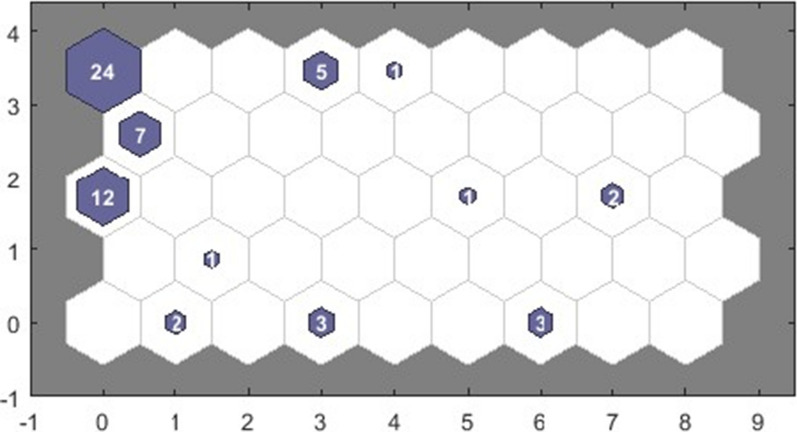
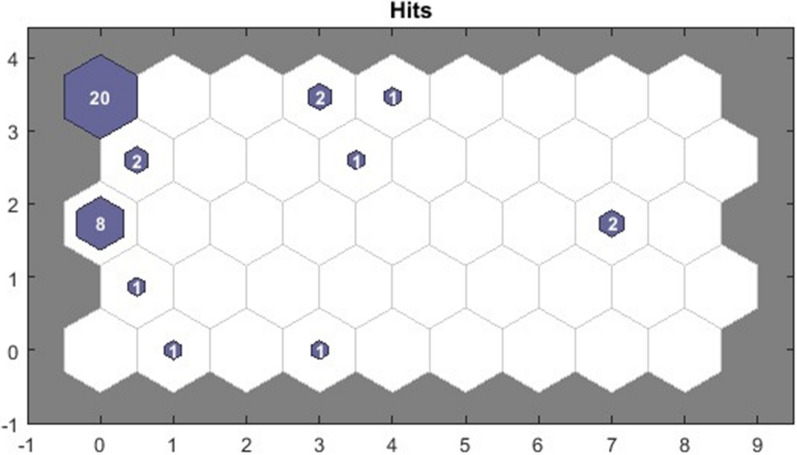
A self-organizing map (SOM) was used to visualize the clustering of patients based on the severity and frequency of 79 symptoms, meaning each patient had 158 features. The SOM method is a non-parametric regression technique that converts multi-dimensional data spaces into lower dimensional abstractions. A SOM generates a non-linear representation of the data distribution and allows to identify homogenous data groups [28]. Missing data were imputed using the Multivariate Imputation by Chained Equations (MICE) package in R studio. Thereafter, the clustering was performed in MATLAB, following its default SOM setting, except for the number of iterations for training the SOM, which was set at 1000 [28]. The default random number generation of MATLAB was used to initialize all competitive units of the SOM, meaning that with the same input and SOM settings, the results are always the same. Vaes et al. [29] clustered 337 ME/CFS patients in the Netherlands into clusters based on their symptom scores. The symptom scores of the post-COVID 19 patients were applied to these clusters to examine whether the same or different clusters were found.
Independent t-tests and chi-square tests were used to test differences in patient characteristics between the two largest clusters.
All analyses were performed with R studio version 4.0.3 (R Foundation for Statistical Computing, Vienna, Austria) and MATLAB (R2022a, MathWorks, MA, USA).
Results
| Mean ± SD, median (25th–75th percentiles) or n (%) | |
|---|---|
| Age, in years | 53.9 ± 6.1 |
| Sex, male | 46 (50.6) |
| Ethnicity | |
| Caucasian | 67/87 (77.0) |
| African | 8/87 (9.2) |
| Asian | 3/87 (3.5) |
| Latin-American | 3/87 (3.5) |
| Other | 6/87 (6.9) |
| BMI, in kg/m2 | 30.5 ± 5.4 |
| Smoking status | |
| Current | 4 (4.4) |
| Ex | 48 (52.8) |
| Never | 39 (42.9) |
| Level of educationa | |
| Low | 33/79 (41.8) |
| Medium | 27/79 (34.2) |
| High | 9/79 (11.4) |
| At least one comorbidityb | 57 (63.3) |
| Comorbidities | |
| Heart failure | 6 (6.6) |
| Renal failure | 5 (5.5) |
| Diabetes | 13 (14.3) |
| COPD | 6 (6.6) |
| Asthma | 15 (16.5) |
| Cardiovascular disease | |
| Hospitalized | 81 (89.0) |
| Hospitalization duration, in days | 8.0 (4.0, 15.0) |
| Admitted to ICU | 25 (27.5) |
| Time since infection, in daysc | 167.6 ± 35.9 |
| Acute COVID-19 severityd | |
| Mild | 10 (11.0) |
| Moderate | 59 (64.8) |
| Severe | 22 (24.2) |
FSS
At the first study visit, 87 patients completed the FSS. The mean ± SD FSS-score of the total population was 5.1 ± 1.6. Of these patients, 66 (75.9%) had a FSS-score of ≥ 4, indicating moderate to high fatigue. A FSS score of ≥ 4 was reported in 31 (68.9%) males and in 35 (83.3%) females. At the second study visit, 76 patients completed the FSS. The mean ± SD FSS-score at the second study visit was 4.4 ± 1.7 and 44 (57.9%) patients had a score ≥ 4. In total, 72 patients completed the FSS at both visits and 38 (52.8%) patients had a score ≥ 4 at both study visits.
DSQ-2
Furthermore, the most reported symptoms at visit 1 and visit 2 were, respectively, unrefreshing sleep in 63.3% and 59.0% of the patients, problems staying asleep in 58.3% and 51.3%, shortness of breath in 53.3% and 31.6%, physically tired after minimum exercise in 50.8% and 38.5%, and joint pain in 50.8% and 56.4% (Table 2).
| Visit 1 (n = 61) | Visit 2 (n = 39) | |||
|---|---|---|---|---|
| Composite score-median (IQR)a | Binary score-frequency (%)b | Composite score-median (IQR)a | Binary score-frequency (%)b | |
| Fatigue/Extreme tiredness | 62.5 (50.0, 87.5) | 51/60 (85.0) | 62.5 (50.0, 87.5) | 37 (94.9) |
| Post-exertional malaise | ||||
| Dead, heavy feeling after starting exercise | 37.5 (6.3, 62.5) | 26/60 (43.3) | 25.0 (0.0, 59.4) | 12 (30.8) |
| Next-day soreness or fatigue after everyday activities | 37.5 (25.0, 62.5) | 24 (39.3) | 37.5 (25.0, 68.8) | 17 (43.6) |
| Mentally tired after the slightest effort | 50.0 (25.0, 75.0) | 29/60 (48.3) | 25.0 (6.3, 50.0) | 12 (30.8) |
| Physically tired after minimum exercise | 50.0 (25.0, 75.0) | 31 (50.8) | 37.5 (25.0, 71.9) | 15 (38.5) |
| Physically drained or sick after mild activity | 37.5 (25.0, 75.0) | 25 (41.0) | 37.5 (0.0, 59.4) | 12 (30.8) |
| Muscle fatigue after mild physical activity | 37.5 (25.0, 75.0) | 28/59 (47.5) | 25.0 (0.0, 62.5) | 15/38 (39.5) |
| Worsening of symptoms after mild physical activity | 25.0 (0.0, 75.0) | 21/58 (36.2) | 25.0 (0.0, 62.5) | 13/38 (34.2) |
| Worsening of symptoms after mild mental activity | 25.0 (0.0, 75.0) | 15/58 (25.9) | 25.0 (0.0, 50.0) | 12/38 (31.6) |
| Difficulty reading (dyslexia) after mild physical or mental activity | 0.0 (0.0, 50.0) | 15/59 (25.4) | 12.5 (0.0, 46.9) | 0/38 (26.3) |
| Sleep | ||||
| Unrefreshing sleep | 62.5 (40.6, 75.0) | 38/60 (63.3) | 50.0 (37.5, 75.0) | 23 (59.0) |
| Need to nap daily | 37.5 (6.3, 50.0) | 17 (27.9) | 37.5 (6.3, 50.0) | 11 (28.2) |
| Problems falling asleep | 31.3 (0.0, 59.4) | 18/60 (30.0) | 25.0 (0.0, 59.4) | 12 (30.8) |
| Problems staying asleep | 56.3 (25.0, 75.0) | 35/60 (58.3) | 50.0 (6.3, 84.4) | 20 (51.3) |
| Waking up early in the morning (e.g. 3 AM) | 37.5 (0.0, 75.0) | 25/59 (42.4) | 25.0 (15.6, 75.0) | 16 (41.0) |
| Sleeping all day and staying awake all night | 0.0 (0.0, 25.0) | 4 (6.6) | 0.0 (0.0, 9.4) | 0 (0.0) |
| Daytime drowsiness | 37.5 (25.0, 50.0) | 18/59 (30.5) | 25.0 (25.0, 50.0) | 11/38 (29.0) |
| Pain | ||||
| Pain or aching in muscles | 50.0 (25.0, 75.0) | 29 (47.5) | 50.0 (12.5, 62.5) | 20 (51.3) |
| Joint pain | 50.0 (25.0, 75.0) | 31 (50.8) | 50.0 (25.0, 75.0) | 22 (56.4) |
| Eye pain | 0.0 (0.0, 25.0) | 6/60 (10.0) | 0.0 (0.0, 0.0) | 3 (7.7) |
| Chest pain | 0.0 (0.0, 31.3) | 7 (11.5) | 0.0 (0.0, 25.0) | 2 (5.1) |
| Bloating | 25.0 (0.0, 37.5) | 11/60 (18.3) | 25.0 (0.0, 46.9) | 8 (20.5) |
| Abdomen/stomach pain | 0.0 (0.0, 25.0) | 6 (9.8) | 0.0 (0.0, 25.0) | 4 (10.3) |
| Headaches | 37.5 (25.0, 50.0) | 18 (29.5) | 37.5 (25.0, 50.0) | 10 (25.6) |
| Aching of the eyes or behind the eyes | 0.0 (0.0, 0.0) | 3/59 (5.1) | 0.0 (0.0, 0.0) | 1/38 (2.6) |
| Sensitivity to pain | 0.0 (0.0, 25.0) | 7/58 (12.1) | 0.0 (0.0, 25.0) | 6/38 (15.8) |
| Myofascial pain | 0.0 (0.0, 0.0) | 7/59 (11.9) | 0.0 (0.0, 0.0) | 4/38 (10.5) |
| Neurocognitive | ||||
| Muscle twitches | 0.0 (0.0, 25.0) | 8/60 (13.3) | 0.0 (0.0, 25.0) | 5/38 (13.2) |
| Muscle weakness | 25.0 (0.0, 50.0) | 16 (26.2) | 25.0 (0.0, 37.5) | 8 (20.5) |
| Sensitivity to noise | 37.5 (0.0, 75.0) | 24 (39.3) | 37.5 (0.0, 50.0) | 13 (33.3) |
| Sensitivity to bright lights | 12.5 (0.0, 50.0) | 15 (24.6) | 12.5 (0.0, 46.9) | 9 (23.1) |
| Problems remembering things | 37.5 (25.0, 75.0) | 26 (42.6) | 37.5 (12.5, 62.5) | 17 (43.6) |
| Difficulty paying attention for a long period of time | 50.0 (25.0, 62.5) | 30 (49.2) | 37.5 (25.0, 75.0) | 18 (46.2) |
| Difficulty finding the right word to say, or expressing thoughts | 37.5 (18.8, 50.0) | 17 (27.9) | 37.5 (0.0, 62.5) | 16 (41.0) |
| Difficulty understanding things | 25.0 (0.0, 37.5) | 7/60 (11.7) | 12.5 (0.0, 37.5) | 8 (20.5) |
| Only able to focus on one thing at a time | 50.0 (0.0, 62.5) | 25 (41.0) | 25.0 (0.0, 62.5) | 16 (41.0) |
| Unable to focus vision | 0.0 (0.0, 25.0) | 5 (8.2) | 0.0 (0.0, 25.0) | 5 (12.8) |
| Unable to focus attention | 18.8 (0.0, 37.5) | 9/59 (15.3) | 0.0 (0.0, 37.5) | 9 (23.1) |
| Loss of depth perception | 0.0 (0.0, 25.0) | 4 (6.6) | 0.0 (0.0, 0.0) | 3 (7.7) |
| Slowness of thought | 25.0 (0.0, 50.0) | 13/59 (22.0) | 25.0 (0.0, 46.9) | 10 (25.6) |
| Absent-mindedness or forgetfulness | 37.5 (25.0, 50.0) | 20 (32.8) | 25.0 (25.0, 62.5) | 14/38 (36.8) |
| Feeling disoriented | 0.0 (0.0, 25.0) | 7/59 (11.9) | 0.0 (0.0, 6.3) | 3/37 (8.1) |
| Slowed speech | 0.0 (0.0, 25.0) | 6/59 (10.2) | 0.0 (0.0, 37.5) | 5/38 (13.2) |
| Poor coordination | 0.0 (0.0, 25.0) | 8/59 (13.6) | 0.0 (0.0, 25.0) | 3/38 (7.9) |
| Autonomic | ||||
| Bladder problems | 0.0 (0.0, 25.0) | 8/60 (13.3) | 0.0 (0.0, 0.0) | 2/38 (5.3) |
| Urinary urgency | 18.8 (0.0, 37.5) | 12/59 (20.3) | 25.0 (0.0, 37.5) | 5/38 (13.2) |
| Waking up at night to urinate | 50.0 (25.0, 62.5) | 24/59 (40.7) | 25.0 (25.0, 62.5) | 12/38 (31.6) |
| Irritable bowel problems | 0.0 (0.0, 25.0) | 8 (13.1) | 0.0 (0.0, 25.0) | 6/38 (15.8) |
| Nausea | 0.0 (0.0, 25.0) | 3 (4.9) | 0.0 (0.0, 0.0) | 1/38 (2.6) |
| Feeling unsteady on feet | 12.5 (0.0, 25.0) | 7 (11.5) | 0.0 (0.0, 25.0) | 4/38 (10.5) |
| Shortness of breath or trouble catching breath | 50.0 (25.0, 71.9) | 32/60 (53.3) | 37.5 (25.0, 50.0) | 12/38 (31.6) |
| Dizziness or fainting | 25.0 (0.0, 37.5) | 6 (9.8) | 0.0 (0.0, 25.0) | 1/38 (2.6) |
| Irregular heartbeats | 0.0 (0.0, 25.0) | 6 (9.8) | 0.0 (0.0, 25.0) | 4/38 (10.5) |
| Heart beats quickly after standing | 0.0 (0.0, 37.5) | 13/59 (22.0) | 0.0 (0.0, 25.0) | 7/38 (18.4) |
| Blurred or tunnel vision after standing | 0.0 (0.0, 25.0) | 5/59 (8.5) | 0.0 (0.0, 0.0) | 0/38 (0.0) |
| Graying or blacking out after standing | 0.0 (0.0, 12.5) | 0/59 (0.0) | 0.0 (0.0, 0.0) | 0/38 (0.0) |
| Inability to tolerate an upright position | 0.0 (0.0, 0.0) | 2/58 (3.5) | 0.0 (0.0, 0.0) | 2/38 (5.3) |
| Neuroendocrine | ||||
| Losing weight without trying | 0.0 (0.0, 0.0) | 4 (6.6) | 0.0 (0.0, 0.0.) | 1/38 (2.6) |
| Gaining weight without trying | 25.0 (0.0, 43.8) | 15 (24.6) | 0.0 (0.0, 50.0) | 9/38 (23.7) |
| Lack of appetite | 0.0 (0.0, 25.0) | 7/60 (11.7) | 0.0 (0.0, 0.0) | 2/38 (5.3) |
| Sweating hands | 0.0 (0.0, 0.0) | 4 (6.6) | (0.0, 0.0) | 1/38 (2.6) |
| Night sweats | 0.0 (0.0, 50.0) | 17/60 (28.3) | 0.0 (0.0, 37.5) | 9/38 (23.7) |
| Cold limbs | 18.8 (0.0, 37.5) | 8/60 (13.3) | 0.0 (0.0, 37.5) | 6/38 (15.8) |
| Feeling chills or shivers | 0.0 (0.0, 25.0) | 2 (3.3) | 0.0 (0.0, 0.0) | 3/38 (7.9) |
| Feeling hot or cold for no reason | 0.0 (0.0, 25.0) | 5/59 (8.5) | 0.0 (0.0, 25.0) | 3/38 (7.9) |
| Felling like you have a high temperature | 0.0 (0.0, 31.3) | 9/60 (15.0) | 0.0 (0.0, 25.0) | 2/38 (5.3) |
| Feeling like you have a low temperature | 0.0 (0.0, 0.0) | 0/60 (0.0) | 0.0 (0.0, 0.0) | 1/38 (2.6) |
| Alcohol intolerance | 0.0 (0.0, 0.0) | 5/60 (8.3) | 0.0 (0.0, 0.0) | 1/38 (2.6) |
| Intolerance to extremes of temperature | 0.0 (0.0, 25.0) | 11/59 (18.6) | (0.0, 25.0) | 6/38 (15.8) |
| Fluctuations in temperature throughout the day | 0.0 (0.0, 0.0) | 5/59 (8.5) | 0.0 (0.0, 6.3) | 3/38 (7.9) |
| Immune | ||||
| Sore throat | 6.3 (0.0, 25.0) | 5/59 (8.5) | 0.0 (0.0, 25.0) | 1/38 (2.6) |
| Tender/sore lymph nodes | 0.0 (0.0, 0.0) | 2/59 (3.4) | 0.0 (0.0, 0.0) | 0/38 (0.0) |
| Fever | 0.0 (0.0, 12.5) | 4/59 (6.8) | 0.0 (0.0, 0.0) | 0/38 (0.0) |
| Flu-like symptoms | 25.0 (0.0, 25.0) | 4/58 (6.9) | 25.0 (0.0, 25.0) | 3/38 (7.9) |
| Sensitivity to smells, food, medications, or chemicals | 0.0 (0.0, 0.0) | 1/58 (1.7) | 0.0 (0.0, 25.0) | 3/38 (7.9) |
| Viral infections with prolonged recovery periods | 0.0 (0.0, 37.5) | 9/58 (15.5) | 0.0 (0.0, 0.0) | 0/37 (0.0) |
| Sinus infections | 25.0 (0.0, 37.5) | 8/59 (13.6) | 0.0 (0.0, 25.0) | 3/38 (7.9) |
| Others | ||||
| Sensitivity to mold | 0.0 (0.0, 12.5) | 5/58 (8.6) | 0.0 (0.0, 0.0) | 5/38 (13.2) |
| Sensitivity to vibration | 0.0 (0.0, 0.0) | 3/59 (5.1) | 0.0 (0.0, 0.0) | 4/38 (10.5) |
ME/CFS case definitions
Additional file: Fig S1 shows the number of patients that met the different criteria for ME/CFS at study visit 1 and study visit 2. At the first study visit, six (9.8%) patients met all four different case definitions, whilst 21 (34.4%) of the patients met none of the case definitions. At the second study visit, six (15.4%) patients met all four different case definitions, whilst eight (20.5%) of the patients met none of the case definitions. 2
Clustering

Symptom-based clusters at visit 1 using self-organizing maps. All clusters of patients are displayed in the direction of left to right and bottom to top. Each hexagon represents a cluster, and the number within a hexagon shows the number of patients in the cluster. The x-axis and y-axis indicate the number of clusters, starting from 0. In particular, coordinate (0,0) corresponds to Cluster 1, coordinate (1,0) corresponds to Cluster 2, etc.

Symptom-based clusters at visit 2 using self-organizing maps. All clusters of patients are displayed in the direction of left to right and bottom to top. Each hexagon represents a cluster, and the number within a hexagon shows the number of patients in the cluster. The x-axis and y-axis indicate the number of clusters, starting from 0. In particular, coordinate (0,0) corresponds to Cluster 1, coordinate (1,0) corresponds to Cluster 2, etc.
| Mean ± SD, median (25th–75th percentiles) or n (%) | |||
|---|---|---|---|
| FSS ≥ 4 (n = 66) | Cluster 19 (n = 12) | Cluster 37 (n = 24) | |
| Age, in years | 53.7 ± 6.5 | 52.7 ± 6.5 | 54.3 ± 7.3 |
| Gender, male | 31 (47.0) | 3 (25.0) | 13 (54.2) |
| BMI, in kg/m2 | 30.9 ± 6.0 | 33.9 ± 5.9 | 30.0 ± 6.3 |
| Ethnicity | |||
| Caucasian/white | 50/63 (79.4) | 9 (75.0) | 19/22 (86.4) |
| Other | 13/63 (20.6) | 3 (24.9) | 3/22 (13.5) |
| Level of educationa | |||
| Low | 24 (36.4) | 4 (33.3) | 6/23 (26.1) |
| Medium | 30 (45.5) | 7 (58.3) | 14/23 (60.9) |
| High | 4 (6.1) | 1 (8.3) | 3/23 (13.0) |
| Current work status | |||
| On disability | 19/63 (30.2) | 5 (41.7) | 8 (33.3) |
| Student | 2/63 (3.2) | 0 (0.0) | 1 (4.2) |
| Homemaker | 10/63 (15.9) | 4 (33.3) | 3 (12.5) |
| Retired | 1/63 (1.6) | 0 (0.0) | 1 (4.2) |
| Unemployed | 3/63 (4.8) | 1 (8.3) | 2 (8.3) |
| Working part-time | 18/63 (28.6) | 5 (41.7) | 2 (8.3) |
| Working full-time | 21/63 (33.3) | 2 (16.7) | 10 (41.7) |
| Marital status | |||
| Married/living together | 44/59 (74.6) | 9 (75.0) | 17/23 (73.9) |
| Living alone | 9/59 (15.3) | 3 (25.0) | 4/23 (17.4) |
| Widow(er)/divorced | 6/59 (10.2) | 0 (0.0) | 2/23 (8.7) |
| Smoking status | |||
| Current | 4 (6.1) | 0 (0.0) | 3 (12.5) |
| Ex-smoker | 34 (51.5) | 8 (66.7) | 11 (45.8) |
| Never smoker | 28 (42.4) | 4 (33.3) | 10 (41.7) |
| At least one comorbidityb | 52 (64.6) | 6 (50.0) | 17 (70.8) |
| Comorbidities | |||
| Heart failure | 4 (6.1) | 0 (0.0) | 2 (8.3) |
| Renal failure | 4 (6.1) | 0 (0.0) | 3 (12.5) |
| Diabetes | 8 (12.1) | 0 (0.0) | 4 (16.7) |
| COPD | 5 (7.6) | 0 (0.0) | 2 (8.3) |
| Asthma | 13 (19.7) | 2 (16.7) | 5 (20.8) |
| CVD | 16 (24.2) | 2 (16.7) | 6 (25.0) |
| Hospitalized | 56 (84.9) | 10 (83.3) | 22 (91.7) |
| Days of hospitalization | 7.0 (3.0, 12.0) | 7.0 (4.5, 8.0) | 8.0 (6.0, 16.0) |
| ICU | 15 (22.7) | 1 (8.3) | 9 (37.5) |
| COVID-19 severityc | |||
| Mild | 10 (15.2) | 2 (16.7) | 2 (8.3) |
| Moderate | 42 (63.6) | 9 (75.0) | 14 (58.3) |
| Severe | 14 (21.2) | 1 (8.3) | 8 (33.3) |
| FSS score* | 5.88 ± 0.78 | 6.15 ± 0.55 | 5.67 ± 0.77 |
Discussion
The current study confirms that fatigue and PEM are prominent symptoms in many post COVID-19 patients, which partly recover over time. Furthermore, sleep disturbances, pain, and neurocognitive symptoms were frequently reported. Two-thirds of the post COVID-19 patients met one or more internationally-known ME/CFS definitions. Applying the post COVID-19 data to symptoms-based ME/CFS clusters, we have shown that several ME/CFS clusters do occur in post COVID-19 patients, and that these clusters persisted over time.
The findings of our study are in line with literature. Other studies also report high persistence of fatigue after a SARS-CoV-2 infection. For example, Fortini et al. [11] found fatigue in 42.2% of the cohort at 3–6 months after hospital discharge. This is slightly lower compared to our cohort, however they did not include ICU patients. Tleyjeh et al. showed that 6% of the hospitalized patients reported chronic fatigue syndrome. This is lower than what we found in our cohort (52.7%). This could be due to the use of a different fatigue questionnaire in that study. Another cohort study showed that the rate of post-COVID fatigue decreased over time, only 46.9% of the patients reported this symptom after 6 months compared to 53% at 3 months [10]. Although the percentage of fatigue in our cohort is higher, the decrease over time is in line with our results. When comparing our results with another study conducted in the Netherlands, the percentage of fatigued patients at 3–6 months after acute COVID-19 is more similar [30]. They found 69% to be fatigued, compared to 76% that we found.
PEM is also a highly prevalent symptom in our cohort. Twomey et al. [26] also demonstrated that 94.8% of the post COVID-19 patients experienced PEM, focussing on the presence of one of the first five PEM symptoms of the DSQ-2. In our cohort we observed 72.4% of the patients experiencing PEM during the first study visit. This difference could be due to the selection of participants in this study, since they included patients ≥ 4 weeks post COVID-19 and symptoms could be worse shorter after the acute infection.
At first, it seems reasonable to assume that post COVID-19 patients have similar symptoms as patients with ME/CFS. Nevertheless, one-third of the post COVID-19 patients did not fulfil internationally-known definitions of ME/CFS, which could mean that there are differences between both conditions. However, there are still very few studies that compared both conditions. Jason et al. [31] showed that COVID-19 patients scored higher on e.g. chest pain, shortness of breath and loss of hair, where ME/CFS patients scored higher on neurocognitive symptoms. Next to that, COVID-19 patients showed more improvement over time compared to ME/CFS patients. Then again, several symptoms-based ME/CFS clusters (Vaes et al. [29]) did occur in the post COVID-19 patients, suggesting that several symptom patterns are very similar between both conditions. Therefore, a search for trans-diagnostic predisposing factors of fatigue seems reasonable, which may result in a trans-diagnostic interventions.
Interestingly, the top five features of the post-COVID clusters with five or more patients (Additional file: Table S1), show a large variation in the type of symptoms and/or their frequency and severity. These findings again demonstrate the large clinical heterogeneity in daily symptoms, which partly explain the large variation in the challenges patients experience daily. 3
When comparing the characteristics of the two largest clusters, there were some differences. In cluster 19 there are more females and patients had on average a slightly higher body mass index (BMI) compared to the total group that scored ≥ 4 for the FSS. There were less patients working full time and less patients had a comorbidity. Cluster 37 contained almost all current smokers, and there were more patients with a comorbidity and more severe acute COVID-19 cases.
The biggest ME/CFS cluster (n = 43) was not observed in the P4O2 COVID-19 cohort. This cluster was characterized by high frequency and severity scores for sensitivity to sound, sleeping problems and symptoms after exercise.
Strengths and limitations
This study has some limitations. First, the sample size is relatively small, which may affect the number and/or size of the post COVID-19 clusters. Larger studies are needed to validate and extend our findings. Specifically, increasing the sample size for clustering analysis could give more reliable comparisons with the ME/CFS cohort. Another limitation of this study is that we did not have a second dataset to validate our findings. This could enhance the external validity of the results and increase the generalizability to other countries and populations. Moreover, we only have two time points where we examined post COVID-19 patients. Since we are interested in the comparison with ME/CFS, a condition that may last for years, it will be of interest to extend the follow-up period in future research to study the progression of symptoms in post COVID-19 patients and make a better comparison with ME/CFS on the long term.
A third limitation is the inconsistency observed in patients' responses. It was assumed that all patients who completed the DSQ-2 experienced moderate to high fatigue because they all had a FSS score of 4 or higher, yet not all patients reported fatigue on the DSQ-2. This may suggest reporting bias or variations in how patients perceive and express their symptoms and could lead to a degree of outcome misclassification.
A fourth limitation is that we do not know the health status of patients before COVID-19, therefore we do not know whether patients were already fatigued prior to their infection. Also, we did not have a control group with healthy participants. This could have strengthen the results that patients are more fatigue after COVID-19 than before.
Lastly, not all patients who completed the FSS at visit 1, completed the questionnaire at visit 2 and vice versa. This resulted in missing values for the FSS and DSQ-2 at both study visits. However, we did decide to include all data available on the FSS and DSQ-2, otherwise the sample size would be smaller.
An important strength of this study is the use of the DSQ-2, which is an extended, validated questionnaire that assesses not only fatigue but also a broad range of other symptoms. This allows for a more detailed examination of post COVID-19 condition symptoms, beyond just fatigue.
Another strength of this study is the comparison with a cohort of patients suffering from ME/CFS. This provides a better insight into potential overlap and differences between post COVID-19 condition and ME/CFS. This could contribute to a better understanding of post COVID-19 symptomatology and can therefore lead to more targeted treatment of post COVID-19 and ME/CFS.
Conclusion
This study shows the persistence of fatigue, PEM, and other post COVID-19 symptoms in the P4O2 COVID-19 cohort. The symptom patterns of post COVID-19 patients are similar to a subgroup of patterns known in ME/CFS. These findings highlight the necessity for more research to identify the mechanisms underlying persistent fatigue in post COVID-19 patients in order to prevent it from occurring. These findings highlight the necessity for more research that aims to identify the mechanisms underlying persistent fatigue in post COVID-19. Moreover, at this stage it is hard describe the clinical implications of our findings, since there is still a lot unknown. However, our study does highlight that more research is needed for post COVID-19 condition and ME/CFS, which may lead to better treatment options and an increased quality of life of these patients. For example, intervention studies could be set up to examine whether patients might benefit from certain treatments.
Supplementary Information
Additional file 1. Explanation of the difference case definitions of ME/CFS. There are some similarities and differences between the ME/CFS case definitions, and most ME/CFS patients meet multiple definitions, showing the complexity of ME/CFS. The Fukuda definition identifies a larger and more heterogeneous group of patients compared to the other definitions. Patients fulfilling the CCC have a higher prevalence and severity of symptoms compared to patients fulfilling the Fukuda definition. The CCC and ME-ICC share more similarities, however, patients that meet the ME-ICC have more severe functional impairment and more cognitive problems [27].Additional file 2: Figure S1. The percentage of patients per case definition for ME/CFS at study visit 1 and 2. CCC Canadian Consensus Criteria, ME-ICC International Consensus Criteria for ME, IOM Institute of Medicine CriteriaAdditional file 3: Table S1. Top 5 features of the clusters with ≥ 5 patients