
What this is
- This research investigates the risk of , particularly in individuals with schizophrenia.
- It includes a systematic review and meta-analysis of various studies assessing incidence rates of psychosis after psychedelic use.
- Findings suggest that while the overall incidence of is low, there is a notable risk for those with pre-existing psychotic disorders.
Essence
- occurs at low rates, with 0.4% overall incidence in the general population. However, individuals with schizophrenia face a 3.8% incidence of long-lasting symptoms, indicating potential risks in this population.
Key takeaways
- The overall incidence of is 0.4%, with a higher rate of 3.8% in individuals with schizophrenia. This indicates a need for caution regarding psychedelic use in this population.
- 13.1% of individuals experiencing later developed schizophrenia. This highlights the potential long-term risks associated with psychedelic use in susceptible individuals.
- Many studies included in the analysis were of low quality, suggesting that the findings should be interpreted cautiously and that further high-quality research is essential.
Caveats
- Most studies reviewed were of low quality, which limits the reliability of the findings. The definitions of also vary, complicating comparisons across studies.
- The majority of data comes from older studies, some dating back over 50 years, which may not reflect current practices or populations.
- The exclusion of individuals with a history of psychosis in recent trials may not accurately represent the risks for those with such histories.
Definitions
- psychedelic-induced psychosis: A temporary or prolonged psychotic episode triggered by the use of psychedelic substances, which may include symptoms like hallucinations and delusions.
Simplified
Introduction
Supported by the U.S. Food and Drug Administration (FDA) and other funding agencies, the scientific research and interest in the therapeutic potential of psychedelics for treating mental health conditions is rapidly expanding [1]. Significant breakthroughs in psychedelic research provide valuable insights into the mechanisms of mental disorders and offer novel therapeutic strategies for treatment-resistant conditions in depression [2], substance use disorders [3], anxiety [4], and post-traumatic stress disorder (PTSD) [5]. However, specific patient populations have not been considered for psychedelic treatment approaches, such as patients with schizophrenia and bipolar disorders until recently [6], mainly due to concerns about psychedelic-induced acute or long-lasting psychotic symptoms [7]. It thus remains an open question whether psychedelic drugs could have a role in the treatment of schizophrenia, in particular for patients with prominent negative symptoms [8]. Focusing on these observations of psychedelic-induced psychotic experiences, the serotonin hypothesis of schizophrenia proposed that serotonin-2A overactivity could be involved in the pathophysiology of schizophrenia (Vollenweider et al. [9]). However, recent research shows that cannabis and illegal psychostimulant drugs are much more likely than serotoninergic psychedelics to induce psychotic symptoms in users (30-55%) [10, 11]. The serotonin hypothesis of schizophrenia suggests serotonergic psychosis typically results in a reversible psychotic syndrome lasting a few hours, which shares certain similarities with acute decompensation of psychotic symptoms in schizophrenia. However, this serotonergic psychosis is characterized primarily by visual hallucinations and shows no response to D2 blockers, distinguishing it from the dopamine and glutamatergic-related psychosis seen in schizophrenia (Bowers et al. [12]).
Prior to the advent of the serotonergic schizophrenia hypothesis, some researchers in the 50 s and 60 s used lysergic acid diethylamide (LSD) for stabilized patients with schizophrenia (Fink et al. [13]; Hoch et al. [14]).
However, concerns regarding 'overdiagnosis' in patients with schizophrenia has been reported which greatly limited these findings [15]. Other serotonergic drugs, such as antidepressant, have shown small effects in improving depressive and negative symptoms in patients with schizophrenia [16]. Therefore, the potential of serotonergic psychedelics to enhance neuroplasticity as seen in animal studies [17] could offer significant promise for patients with treatment-resistant depressive symptoms and negative symptoms [8, 18]; NCT05770375.
In contrast to these hypothetical benefits of psychedelics in the treatment of schizophrenia, the relationship between serotonergic psychedelics and exacerbations of psychotic episodes is unclear. Overall, Cohen suggests a low rate of prolonged psychotic reactions in LSD users (1.8 per 1000) [19]. Accordingly, Strassman proposed the distinction between acute panic reactions resolving spontaneously within a day, prolonged psychotic reactions lasting more than one day, and more complex chronic undifferentiated psychotic reactions [7]. A recent meta-analysis by Murrie and colleagues found a 26% transition rate to psychoses for hallucinogen users, which is lower than the rate associated with cannabis (34%) but not amphetamines (22%) [11, 20]. However, these results are based on only three studies, mainly driven by one study's weight on phencyclidine (PCP) users. PCP blocks the uptake of dopamine and norepinephrine, leading to sympathomimetic effects, and is a NMDA receptor antagonist provoking dissociative symptoms, which is absent from usual doses of classic psychedelics [21]. Furthermore, recent randomized-controlled trials (RCTs), including patients with depression and PTSD, show the absence of risk of prolonged psychotic reaction following the use of MDMA, LSD, and psilocybin in selected populations free from any history of personal or family risk of psychotic symptoms [22]. Taken together, the effective risk of psychedelic-induced psychosis or worsening of pre-existing psychotic symptoms in schizophrenia -as well as in the early stages of the psychosis spectrum- remains incompletely understood. This uncertainty raises the question whether the current exclusion of patients with psychotic symptoms may be too restrictive and hamper progress in developing novel treatment approaches for negative symptoms of schizophrenia. To shed light on the existing evidence for the risk of psychedelic-induced psychosis and worsening symptoms of schizophrenia, we conducted an overview of reviews, a systematic review and meta-analysis. We focused on serotonergic psychedelic drugs of which some have shown promise as therapeutics in mental disorders and potential candidates for treatment in schizophrenia, including LSD, N,N-Dimethyltryptamine (DMT), mescaline, psilocybin and 3,4-Methylenedioxymethamphetamine (MDMA). Although MDMA has different mechanisms than classic psychedelics with additional action on dopaminergic, and GABAergic systems [23, 24], we decided to include MDMA considering the similar effects on the serotonin system and the therapeutic potential in PTSD [25]. Our primary aim was to summarize the literature regarding the current evidence of the risk for de novo psychedelic-induced psychosis, exacerbation of psychotic symptoms in pre-existing psychotic disorders, and development of schizophrenia after psychedelic-induced psychosis. Our secondary aim was to conduct a meta-analysis of the incidence of long-lasting (>48 h) psychotic symptoms following psychedelic use for each specific population and the risk of transition to schizophrenia.
Methods
Registration
This systematic review was conducted according to the Preferred Reported Items for Systematic Reviews and Meta-Analysis (PRISMA) (Supplementary Information ). The review protocol was registered on PROSPERO in April 2023 (CRD 42023399591). The literature search was updated in November 2023. 1
Search strategy
A multi-step literature search was performed in other to conduct a joint umbrella review and a meta-analysis [26]. First, two reviewers (MS, AG) independently reviewed titles and abstracts using Rayyan, a research collaboration web platform for systematic reviews in PubMed, Embase, and PsycINFO using specific search terms (Supplementary Information 1). The only limits applied were human studies. In case of disagreement, full texts were analyzed until both reviewers reached a consensus. Second, two authors (MSa and AG) independently extracted articles using a predefined data extraction form. Third, snowball searches of reference lists were conducted by cross-referencing key papers and other relevant articles identified by the electronic searches, in particular in retrieved reviews.
Eligibility criteria, hierarchization of the quality of evidence, and data extraction
We included systematic reviews, reviews, guidelines, meta-analysis, RCTs, clinical trials, case-control studies, uncontrolled trials, prospective and retrospective cohorts, and population-survey/register studies that explored the link between psychosis or other psychiatric side-effects following serotoninergic psychedelic consumption (LSD, DMT, mescaline, psilocybin, MDMA). We decided to exclude both cannabis, salvia divinorum and PCP from our analysis, as their mechanisms of action are clearly distinct. Moreover, due to their specific neurobiological effects, cannabis and PCP are strongly linked to the occurrence of psychoses, and salvia divinorum has dissociative properties. Case reports and case series were excluded.
Considering the extensive history of psychedelic research and the expected significant heterogeneity in the quality of evidence, we employed a hierarchy of evidence to identify the 'best evidence' by examining all published studies from uncontrolled trials to reviews and guidelines. Firstly, given that the definition of 'psychedelic (hallucinogen)-induced psychosis' is not truly established, we considered Strassman's landmark article on adverse reactions to psychedelics drugs [7], and the definition of substance-induced psychosis according to the DSM-5 to guide our inclusion criteria for identified studies and more recent reviews on the subject [27] (Supplementary Information 2). We distinguish between various groups of psychedelic users on the continuum ranging from 'healthy' individuals to patients with schizophrenia: individuals considered as 'healthy individuals', patients with other diagnoses (e.g., depression), patients with susceptibility for psychosis, patients with long-lasting psychotic symptoms, patients with a diagnosis of schizophrenia. Additionally, we attempted to assess the temporal relationship between prolonged psychotic reactions and the use of psychedelics whenever possible.
Secondly, two authors (MSa, AG) independently categorized the quality of evidence and the risk of bias by classifying studies based on their type and evaluating their quality using specific assessment tools. We utilized the AMSTAR-2 scale for systematic reviews [28], the SANRA scale for reviews [29], the Cochrane Risk-Of-Bias tool for RCTs (RoB 2) [30], and Risk Of Bias In Non-randomized Studies of Interventions tool (ROBINS-I) for non-randomized studies [31]. To further enhance the hierarchy of evidence, we employed the Oxford Center of Evidence Based Medicine (OCEBM) level of evidence framework [32]. A distinguishing feature of the OCEBM is that the levels cover the entire range of clinical questions, such as the evidence for incidence, prognosis, therapeutic effects, rare harms, common harms, and usefulness of screening. To ease the reception of the hierarchy of evidence, we present in the results section uncontrolled studies, followed by cohort studies, case-control studies, and RCTs, for each drug and subgroup of the identified population. Two authors (MS, AG) independently extracted all data according to a preestablished data extraction form.
Statistical analysis
To conduct a meta-analysis of incidence, we employed a logit transformation to stabilize the variance. We selected a random-effects model to account for anticipated heterogeneity among the included studies, for each subgroup of populations or measure of exposure to the primary outcome [33]. To measure heterogeneity, we utilized the I2 statistic and the Q test [34]. The I2 values were categorized as indicating low, moderate, substantial, and considerable heterogeneity, representing <25%, <25–50%, <50–75%, and ≥75%, respectively. The analyses were performed using R software, specifically version 4.3.1, with the metafor package [35]. We opted for the logit transformation of proportions as it is more suitable for a wide range of incidence values and when proportions are close to 0 or 1 [36].
Results
Search results
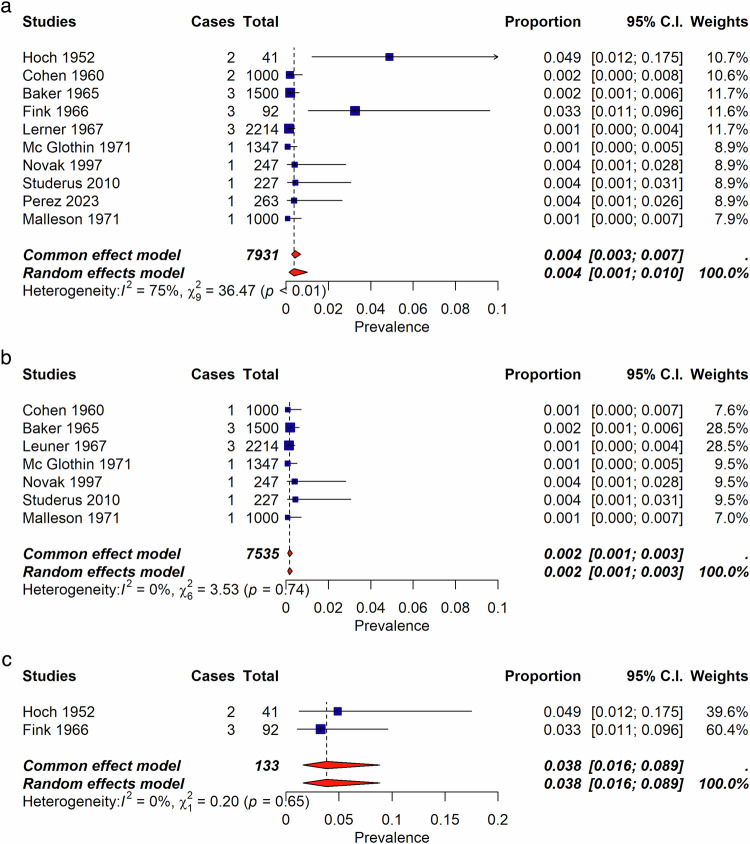
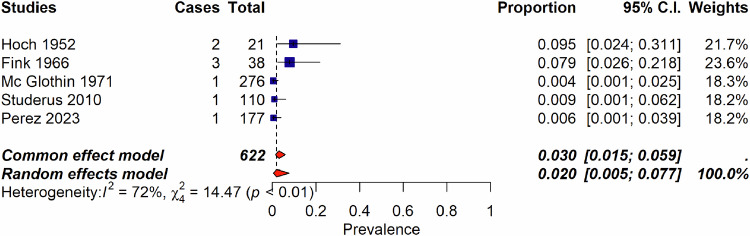
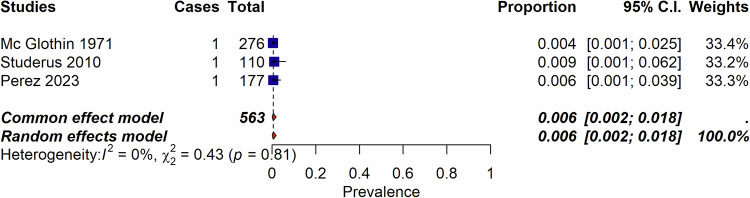
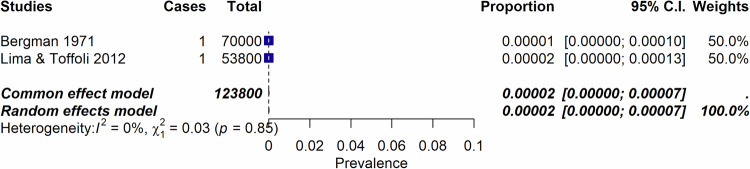
![Incidence of psychedelic-induced psychosis according to the number of sessions. Incidence of psychedelic-induced psychosis according to the number of sessions across healthy individuals, patients with depression, and patients with schizophrenia. Of importance, RCTs, UCT and cohort studies are combined in this forest plot.Incidence of psychedelic-induced psychosis according to the number of sessions, in healthy individuals only. Please note that Studerus et al. [], Novak et al. [] studies are RCTs. All other studies are retrospective cohort studies. When excluding these 2 RCTS, the incidence does not change. When considering only those 2 RCTS, the incidence is 0.4% (95%; CI 0.1–1.7)(I = 0%).Lifetime occurrence of prolonged psychosis according to number of sessions considering only studies that included patients with schizophrenia. a b c [75] [79] 2](https://europepmc.org/articles/PMC11835720/bin/41380_2024_2800_Fig1_HTML.jpg "Click to view full size")
Incidence of psychedelic-induced psychosis according to the number of sessions. Incidence of psychedelic-induced psychosis according to the number of sessions across healthy individuals, patients with depression, and patients with schizophrenia. Of importance, RCTs, UCT and cohort studies are combined in this forest plot.Incidence of psychedelic-induced psychosis according to the number of sessions, in healthy individuals only. Please note that Studerus et al. [], Novak et al. [] studies are RCTs. All other studies are retrospective cohort studies. When excluding these 2 RCTS, the incidence does not change. When considering only those 2 RCTS, the incidence is 0.4% (95%; CI 0.1–1.7)(I = 0%).Lifetime occurrence of prolonged psychosis according to number of sessions considering only studies that included patients with schizophrenia. a b c [75] [79] 2
| Clinical studies | |||||||
|---|---|---|---|---|---|---|---|
| Author, year | Title | Drug | Type of study | Setting Mean age, %male | Main findings | RoB 2 or ROBINS-I/COIs | LoE OCEBM Levels of Evidencea |
| 1. LSD | |||||||
| 1.1. UCT and cohort studies | |||||||
| UCT | |||||||
| [] Stoll 1947 [42] | Lysergsäure-diäthylamid, ein Phantastikum aus der Mutterkorngruppe | LSD | UCT | 16 healthy volunteers and 6 patients with treatment-resistant schizophrenia received 30 μg and 130 μg dose of LSD respectively | *Patients with schizophrenia were medication-free. They experienced fewer visual hallucinations and less euphoria compared to healthy individuals, although the drug's effects lasted longer. *None of the patients showed any worsening of their symptoms. | CR; n.m. | Level 2 |
| [] Condrau 1949 [43] | Klinische Erfahrungen an Geisteskranken mit Lysergsäure- Diäthylamide | LSD | UCT | Seven healthy volunteers and 30 patients with schizophrenia received up to 280 μg of LSD | *Patients with schizophrenia showed greater resistance to the effects of LSD compared to healthy volunteers, experiencing fewer hallucinations, less euphoria, and fewer side effects such as nausea and headaches. *None of the patients experienced a worsening of their symptoms. | CR; n.m. | Level 2 |
| [] Busch & Johnson 1950 [103] | L.S.D. 25 As an Aid in Psychotherapy | LSD | UCT | 18 patients with schizophrenia, and 3 patients with bipolar disorders received 30 to 40 μg LSD | *All patients exhibited increased psychomotor activity, and most experienced euphoric states. Four patients with paranoid schizophrenia required hydrotherapy. *Patients with bipolar disorder were generally unstable and irritable, also requiring hydrotherapy for calming. *Eight patients with schizophrenia and psychoneurosis showed improvement with the combination of LSD and psychotherapy. Of these, two experienced relief from childhood traumatic episodes. No long-lasting symptoms were observed. | CR; n.m. | Level 2 |
| [] De Giacomo 1951 [104] | Catatonie toxique expérimentale | LSD | UCT | 12 patients with schizophrenia received from 30 to 500 μg of LSD | *The author observed the induction of a catatonic state in 5 patients with schizophrenia. This effect, specific to patients with schizophrenia, has not been reported in most subsequent studies. *No long-lasting symptoms were observed. | CR; n.m. | Level 2 |
| [] Mayer-Gross 1951 [105] | Experimental Psychoses And Other Mental Abnormalities Produced By Drugs | LSD | UCT | 13 patients with schizophrenia received from 30 to 500 μg of LSD | *Half of the patients with schizophrenia developed euphoria during the LSD session. *One patient experienced an outburst of anger during the session. *No long-lasting symptoms were observed. | CR; n.m. | Level 2 |
| [] Forrer & Goldner 1951 [46] | Experimental physiological studies with lysergic acid diethylamide (LSD-25) | LSD | UCT | Six patients with resistant schizophrenia received 0.5 to 6 μg/per/kg μg IM LSD | *Five of six patients presented euphoric states and hallucinations during the 42 LSD sessions. A dose-response occurrence of euphoric states is described *Three patients presented increased sexual material *These patients presented fewer side effects (nausea, vomiting) and no long-lasting symptoms | CR; n.m. | Level 2 |
| [] Belsanti 1952 [44] | Modificazioni neuro-psico-biochimiche indotte dalla dietilamide dell'acido lisergico in schizofrenici e frenastenici | LSD | UCT | 14 patients with schizophrenia received from 80 to 480 μg of LSD | *Patients with schizophrenia seem more resistant to LSD effect that healthy individuals *LSD accentuate previous symptomatology in patients with schizophrenia *No long-lasting symptoms were found | CR; n.m. | Level 2 |
| [] Liddell & Weil-Malherbe 1953 [47] | The effects of methedrine and Lysergic acid diethylamide on mental processes and on tile blood adrenaline level | LSD | UCT | Ten patients with schizophrenia received 60 μg IV LSD | *Six patients presented during the LSD session rapid mood swings and disorganization *Two patients were frightened and inaccessible *No long-lasting symptoms were found after the LSD session | CR; n.m. | Level 2 |
| [] Katzenelbogen & Fang 1953 [106] | Narcosynthesis effects of sodium amytal, methedrine and L.S.D-25 | LSD | UCT | 20 patients with schizophrenia received from 10 to 50 μg of oral LSD | *All patients experimented mood swings, with mainly euphoric states, except one patient that presented negativistic features *The authors described specific minimal effective doses for each patient | CR; n.m. | Level 2 |
| [] Cholden et al. 1955 [107] | Clinical reactions and tolerance to LSD in chronic schizophrenia | LSD | UCT | 20 patients with schizophrenia received dose from 100 to 500 μg of IM LSD | *Patients with schizophrenia exhibited an increased expression of their emotions *Patients with catatonic or paranoid features showed significant improvement, with enhanced communication *Some patients with acute schizophrenia may experience an 'intensification' of psychomotor agitation; however, this phenomenon is limited to the LSD session *Patients were exposed from 100 to 500 μg within 5 days duration. Tolerance to LSD was obtained in 2–3 days of drug administration. A period of 4–6 days free of LSD is necessary to reinstate the original reaction to LSD. No cross-tolerance between LSD and mescaline was found | MR; n.m. | Level 2 |
| [] Bercel et al. 1956 [38] | Model Psychoses Induced by LSD-25 in Normals I. Psychophysiological Investigations, with Special Reference to the Mechanism of the Paranoid Reaction | LSD | UCT | 25 healthy individuals received oral LSD from 30 to 100 μg of LSD. 20-35(68%) | *Two individuals experienced delusions of persecution during the LSD session *One individual exhibited hypomania during the LSD session *Ego dissolution and depersonalization persisted in one individual for more than 24 h | MR; n.m. | Level 3 |
| [] Abramson 1960 [108] | The Use of LSD in Psychotherapy | LSD | UCT | Six patients with treatment-resistant severe autism received LSD at 40 μg. 5-14(n.a.) | * Patients received weekly LSD treatment, averaging 3 to 6 sessions. *Five out of six patients showed improvement with no side effects. | MR; n.m. | Level 2 |
| [] Cohen 1960 [37] | Lysergic Acid Diethylmaide: side effects and complications | LSD | UCT | A total of 62 physicians who had experience with prescription of LSD or mescaline were asked on psychiatric side effects of treatments. n.a | *Dosages of LSD ranged from 25-1500 mcg. *A prevalence of 1.8/1000 of prolonged psychotic reaction ( > 48 h) was reported | MR; n.m. | Level 2 |
| [] Anastasopoulos & Photiades 1962 [45] | Effects of LSD-25 on relatives of schizophrenic patients. | LSD | UCT | 19 parents of patients with schizophrenia received LSD from 1 to 1.5 μg/kilo over 97 sessions. n.a | *Patients with schizophrenia require higher doses than their parents and siblings to exhibit symptoms. However, paranoid features were more likely to occur in parents and siblings, sometimes resulting in long-lasting psychotic symptoms and persistent insomnia (lasting from a few days to 6 weeks). *The authors suggest that reactions to LSD might predict the risk of developing schizophrenia. | CR; n.m. | Level 2 |
| [] Freedman et al.1962 [109] | Autistic schizophrenic children: An experiment in the use of d-lyergic acid diethylamide (LSD-25) | LSD | UCT | 12 patients with treatment-resistant severe autism received oral 50 to 200 μg. LSD 5-12(75%) | *Most patients were on antipsychotic medications *The authors observed rapid mood swings in all participants, with only one experiencing panic. Generally, there was an increase in communication and motor activity | CR; n.m. | Level 2 |
| [] Fischer & Castile 1963 [110] | Interim report on research project: An investigation to determine therapeutic effectiveness of LSD-25 and Psilocybin on hospitalized severely emotionally disturbed children. | LSD | UCT | Patients with severe autism and psychotic features received LSD from 50 to 400 μg, or psilocybin 250 to 300 mcg. 5-13(n.a.) | * The authors found that the best candidates for LSD treatment were patients who could communicate verbally and exhibited more psychotic features than severe autistic traits | MR; n.m. | Level 2 |
| [] Bender et al. 1962 [111] | Treatment of autistic schizophrenic children with LSD-25 and UML-491 | LSD | UCT | 44 patients with a diagnosis of autism and psychotic features received LSD or UML491. 50 to 150 μg of LSD. 6-15(n.a.) | *The authors observed short-term improvements in speech and behavior, greater emotional responsiveness, increased positive mood, and a decrease in compulsive ritualistic behavior *The authors found a rapid reduction in secondary negative symptoms | CR; n.m. | Level 2 |
| [] Bender & Faretra 1963 [48] | LSD and UML treatment of hospitalized disturbed child | LSD | UCT | 50 prepubert children with a diagnosis of schizophrenia were included. 6 patients received LSD up to 150 μg. n.a. (76%) daily | *Patients received daily LSD for 2 to 12 months *Patients showed increased responsiveness to environmental stimuli *While some aggressive children became remarkably quieter after LSD treatment, some quieter children became mildly aggressive *No serious adverse events were reported | CR; n.m. | Level 2 |
| [] Bender 1966 [112] | D-lysergic Acid in the Treatment of the Biological Features of Childhood Schizophrenia | LSD | UCT | 12 prepubert children with a diagnosis of schizophrenia were included. 6 patients received LSD up to 150 μg. n.a. (100%) daily | *The authors found that patients who received LSD exhibited changes in neurological signs, memory function, visual-motor skills, and body image *Children with psychotic symptoms showed improvements in overall behavior and attitudes, better reality contact, and enhanced thinking *The authors did not observe any side effects or acute psychotic reactions as reported in adults | CR; n.m. | Level 2 |
| [] Fink 1966 [13] | Prolonged adverse reactions to LSD in psychotic subjects. | LSD | NRCT | One or multiple IV LSD session (0.5 µg/kg to 10 µg/Kg) -or placebo- to 65 patients with schizophrenia. 36-year-old(n.a.) | *Patients received either LSD or a placebo medication *The authors found a 3.2% (3 out of 92) incidence of long-lasting psychotic reactions, described as exacerbations of preexisting psychopathology accompanied by signs of confusional delirium | CR; pf, npo | Level 2 |
| [] Blumfield & Glickman 1967 [113] | Ten months' experience with LSD users admitted to a country psychiatric receiving hospital | LSD | UCT | 23 patients hospitalized for LSD induced psychosis. | *80% of patients were diagnosed with schizophrenia or borderline schizophrenia *The authors suggest that preexisting sociopathic characteristics, along with a genetic predisposition for substance abuse, may have contributed to the involvement with LSD, possibly as a means of escaping other pressures or as an attempt at self-medication | CR; n.m. | Level 3 |
| [] Bowers et al. 1990 [12] | Psychotogenic Drug Use and Neuroleptic Response | LSD | UCT | Treatment of 32 case of acute psychosis in emergency service that were prior users of LSD. 21.2(73%). | *Haloperidol and perphenazine were not effective in treating LSD-induced psychosis *Male participants with psychosis and a history of using psychotogenic drugs had a poorer response to neuroleptics compared to those without such a history | CR; p.f., n.p. o. | Level 3 |
| Cohort studies | |||||||
| [] Malleson 1971 [78] | Acute Adverse Reactions to LSD in Clinical and Experimental Use in the United Kingdom | LSD | Retrospective cohort | Report by clinicians of their practice with LSD. (n.a) | * Out of 4,300 individuals who received one or multiple sessions of LSD, 37 experienced psychedelic-induced psychosis. Of these 37 patients, 10 developed a persistent and chronic psychotic state, while 19 recovered completely. Among those who recovered, 7 did so over a period of 3 months, 3 recovered between 2 weeks to 3 months, and 9 within 2 weeks. | CR; n.m. | Level 2 |
| [] McGlothlin & Arnold 1971 [51] | LSD revisited. A ten-year follow-up of medical LSD use | LSD | 10-year follow-up study | 247 persons who received LSD in nonmedical or psychotherapeutic setting. 44(66%) | * 58% of subjects reported some lasting effects, such as reduced anxiety to stress, 6 months after three sessions of 200 μg LSD. There is little evidence of measurable, lasting personality or behavior changes * 36 of the 247 participants, and only 4 of the 32 participants with serious psychiatric disorders, experienced 'LSD-like recurrences' that can be classified as minor psychotic or psychosomatic symptoms *One case of prolonged psychosis, requiring a one-week hospitalization, was reported among the 247 LSD users. This occurred after the individual's third LSD experience (1/276 sessions) | CR; p.f. | Level 2 |
| [] Dewhurst & Hatrick 1972 [114] | Differential diagnosis and treatment of lysergic acid diethylamide induced psychosis | LSD | Retrospective cohort | 19 patients presenting LSD-induced psychosis | *The authors identified distinguishing features of LSD-induced psychosis, including a loss of time sense, grandiose delusions of a pseudo-philosophical nature, visual hallucinations, perceptual disturbances, and a common regression to childhood | CR; n.m. | Level 3 |
| [] Roy 1981 [115] | LSD and onset of schizophrenia. | LSD | Retrospective cohort | 74 patients were divided in two groups of chronic schizophrenia with prior use of LSD and psychedelic naïve group. 20.35(78%). | *The authors found no significant difference between 37 patients with chronic schizophrenia who were LSD users prior to their diagnoses and control patients with chronic schizophrenia who were psychedelics-naïve *The mean age of onset of schizophrenia was lower in the LSD users group | CR; n.m. | Level 2 |
| [] Vardy & Kay 1983 [52] | LSD psychosis or LSD-induced schizophrenia? | LSD | Prospective cohort | Prospective follow-up at 3–5 years of 29 patients with LSDand 29 FEP. 20.46(n.a)-psychosis | *The frequency of LSD intake was most commonly 1–5 times (34.6% of cases), occasionally 6-10 times (7.7%), but ranged up to about 100 times (2 subjects) *Patients with LSD-induced psychosis exhibited psychotic symptoms after LSD ingestion that persisted for at least 2 weeks *The authors found that the rate of parental alcoholism in LSD psychosis patients exceeded that in schizophrenic patients *The findings support a model of LSD psychosis as a drug-induced schizophreniform reaction in individuals vulnerable to both substance abuse and psychosis | MR; n.m. | Level 2 |
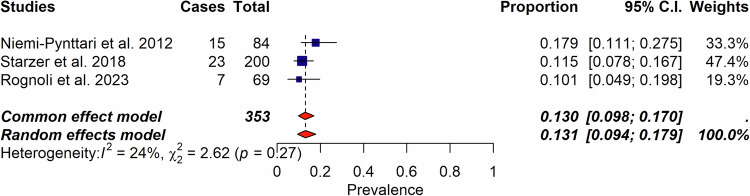
| [] Niemi-Pynttäri et al. 2013 [50] | Substance-induced psychoses converting into schizophrenia: a register-based study of 18,478 Finnish inpatient cases | LSD | Register-based study | Retrospective analysis of the nationwide Finnish hospital discharge register with follow-up of patients (1987-2003). Total of 18.478 patients, with 84 HIP. 24.3(7) | *Eight-year cumulative risk to receive a schizophrenia spectrum disorder diagnosis reported: 46%(95%CI, 35-57%) for cannabis-induced psychosis 30%(95%CI, 14-46%) for amphetamine-induced psychosis 24%(95%CI, n.a.) for hallucinogens-induced psychosis (n = 15/84 ; N = 3) *HR (95%CI): 2.69 (1.59-4.55) for hallucinogens. PCP accounted for 1/3 of studies *Total of 18.478 patients, with 84 patients presenting a hallucinogen-induces psychosis. Of those patients 15(17.8%) converged to a diagnosis of schizophrenia | SR; p.f. | Level 2 |
| 1.2. Case-control studies and RCT | |||||||
| CC | |||||||
| [] Sloane & Doust 1954 [63] | Psychophysiological Investigations in Experimental Psychoses: Results of the Exhibition of D-Lysergic Acid Diethylamide to Psychiatric Patients | LSD | Case-control study | Four inpatients with schizophrenia, 2 with schizoaffective disorders, 12 with depression were compared to 11 healthy controls and received 40 to 120 μg of LSD. 41 ± 8.25(n.a) | *Patients with schizophrenia exhibited an increased mood during the LSD session *A few individuals, both patients and controls, showed increased suspiciousness | CR; n.m. | Level 2 |
| [] Smart et al. 1966 [116] | A Controlled Study of Lysergide in the Treatment of Alcoholism.The Effects on Drinking Behavior | LSD | Case-control study | 30 individuals with alcohol use disorders and received LSD 800 µg, ephedrine 60 mg or placebo. 40 ± 6(93%). | *All three groups showed improvement at the 6-month follow-up, with no significant differences between the groups. The gain in abstinence time for the LSD, ephedrine, and control groups was 34%, 32%, and 20%, respectively *No psychosis was reported among participants *Results from Baker et al. [] and Leuner [] are included in this paper (Supplementary Table ) [76] [77] S8 | CR; n.m. | Level 3 |
| [] Ungerleider 1968 [60] | The 'bad trip' – The etiology of the adverse LSD reaction | LSD | Case-control study | 25 inpatients hospitalized for LSD-psychosis were compared to 25 regular users of LSD (religious group). n.a.(n.a.). | *LSD may cause adverse effects in individuals with schizoid personalities *40% of patients admitted to the hospital had been diagnosed as 'psychotic', and 37% had received psychiatric care previously | MR; n.m. | Level 3 |
| [] Langs & Barr 1968 [84] | Lysergic acid diethylamide (LSD-25) and schizophrenic reactions. A comparative study. | LSD | Case-control study | 30 healthy individuals received LSD (100 μg). 20 controls received placebo and were compared to 20 hospitalized patients with schizophrenia. 30(100%) | *LSD primarily causes visual hallucinations, while schizophrenia is characterized by auditory hallucinations *Both groups experienced delusions, body image changes, and altered self-perception, but delusional thinking was more prominent in schizophrenia | CR; n.m. | Level 1 |
| [] Hays & Tilley 1973 [61] | The differences between LSD psychosis and schizophrenia. | LSD | Case-control study | Authors compared 10 LSD-psychosis to 114 controls (patients with schizophrenia). n.a. | *LSD-induced psychosis is clinically distinct from schizophrenia *Patients with LSD psychosis had fewer auditory hallucinations, more visual hallucinations and illusions, fewer primary delusions, and less mood flattening | C.R.; n.m. | Level 3 |
| [] Lev-Ran et al. 2014 [117] | Clinical characteristics of individuals suffering from schizophrenia and Hallucinogen Persisting Perceptual Disorders: A preliminary investigation | LSD | Case-control study | Case-control study gathering hospitalized patients that had prior LSD use. 32.3 ± 7.6(84.6%) | *Little is known about the co-occurrence of schizophrenia and HPPD or its clinical implications. The authors describe 12 cases of schizophrenic patients with perceptual distortions *No significant differences were found between the groups in response to antipsychotics or side effects | SR; no coi | Level 3 |
| [] Lev-Ran et al. 2015 [118] | Schizophrenia and hallucinogen persisting perception disorder: A clinical investigation | LSD | Case-control study | Case-control study with 80 patients: 37 patients with schizophrenia and HPPD, compared 43 patients with schizophrenia. 31.5(90%) | *Schizophrenia patients with HPPD exhibited less severe negative symptoms and lower general psychopathology scores, despite persistent perceptual disturbances *There were differences in treatment responses between the groups | MR; no coi | Level 3 |
| RCT | |||||||
| [] Shirvaikar & Kelkar 1966 [73] | Therapeutic trial of lysergic Acid diethylamide (LSD) and thioridazine in chronic schizophrenia | LSD and Thioridazine | Experimentaldouble-blind, controlled | Ten patients with a diagnosis of chronic schizophrenia received LSD during 16 sessions with 50 to 150 μg LSD combined with 50 to 100 mg of thioridazine | * Patients with chronic schizophrenia and predominant negative symptoms showed improvement with LSD, experiencing euphoric reactions in the first sessions and increased social behavior in the second week | MR; n.m | Level 2 |
| [] Tomsovic & Edwards 1970 [119] | Lysergide treatment of schizophrenic and nonschizophrenic alcoholics: a controlled evaluation | LSD | RCT | 75 individuals with alcohol use disorders of whom 23 also had the diagnosis of schizophrenia received one session of 500 μg of LSD. 43(100%) | * Non-schizophrenic individuals responded better to the drug, with more abstinent at a 1-year follow-up compared to schizophrenics and alcoholics treated by other methods * There was significant uncertainty in schizophrenia diagnoses (63% of inclusions) * Two non-schizophrenic patients lost touch with reality during the peak of their experience and behaved bizarrely | CR; n.m. | Level 3 |
| [] Gasser et al. 2014 [120] | Safety and efficacy of lysergic acid diethylamide-assisted psychotherapy for anxiety associated with life-threatening diseases | LSD | RCT | 12 patients with anxiety associated with life-threatening diseases received LSD or active placebo (20 to 200 μg) | * Psychological side effects were mild and limited; no prolonged anxiety, psychotic episodes, or flashbacks were reported | M.R.; n.p.o. | Level 1 |
| [] Schmid et al. 2015 [121] | Acute Effects of Lysergic Acid Diethylamide in Healthy Subjects | LSD | Cross-over RCT | LSD (200 μg) and placebo were administered to 16 healthy subjects. 28.6 ± 6.2(50%) | * LSD reduced associative connectivity but increased sensory-somatomotor and thalamic connectivity across the brain * LSD's neuropharmacological effects involve the 5-HT2A receptor | LR; p.f. | Level 2 |
| [] Preller et al. 2018 [65] | Changes in global and thalamic brain connectivity in LSD-induced altered states of consciousness are attributable to the 5-HT2A receptor | LSD | Cross-over RCT | LSD (100 μg), ketanserin and placebo were administered to 24 healthy subjects. 25 ± 3.6(79.5%) | * Ketanserin fully blocked both subjective and neural effects of LSD *Implication of the 5-HT2A receptor in LSD's neuropharmacology | LR; p.f., n.p.o. | Level 1 |
| [] Wießner et al. 2021 [85] | LSD, madness and healing: Mystical experiences as possible link between psychosis model and therapy model | LSD | Cross-over RCT | 24 healthy volunteers received 50 μg of LSD or inactive placebo. 35 ± 11(67%) | * Mystical experiences may bridge the psychosis model and therapeutic applications * LSD significantly heightened sensory sharpening, emotionality, cognition, and aberrant salience, potentially inducing psychotic-like experiences * Moderate negative correlations were found between psychedelic experiences and mindfulness, while suggestibility was not correlated | LR; p.f.,n.p.o. | Level 1 |
| 2. DMT and Ayahuasca | |||||||
| 2.1. UCT and cohort studies | |||||||
| UCT | |||||||
| [] Gillin et al. 1976 [39] | The psychedelic model of schizophrenia: The case of N,N-dimethyltryptamine | DMT | UCT | Seven mg/kg of DMT intramuscularly to 15 male volunteers. Each subject was an experienced user of LSD or mescaline. n.a. (100%) | * Psychological changes appeared within 5 minutes of injection, peaked at 10-15 minutes, and lasted 45-120 minutes * Only one subject experienced elementary hallucinations, while two had paranoid symptoms lasting less than an hour *Review of the DMT model of schizophrenia | MR; n.m. | Level 3 |
| [] Jimenez-Garrido et al. 2020 [122] | Effects of ayahuasca on mental health and quality of life in naïve users: A longitudinal and cross-sectional study combination | Ayahuasca | UCT | Authors compare ayahuasca in ayahuasca-naïve subjects and ayahuasca experienced subjects (N = 40, N = 23). 35 ± 11.5(30%) | * DMT was associated with immediate reductions in depression, anxiety, and hostility, with the depression reduction persisting at 6 months * No adverse events were reported by the authors | MR; no coi | Level 3 |
| Cohort studies | |||||||
| [] Lima & Toffoli 2011 [53] | An epidemiological surveillance system by the UDV: mental health recommendations concerning the religious use of hoasca | Ayahuasca | Epidemiological survey | Authors report observations obtained through a surveillance program from 1994 up to 2007. 130000 participants | * Authors report 20 psychotic-like phenomena cases, with only 4 having a clear temporal link to ingestion and no prior psychiatric history; 5 cases showed onset or worsening in patients with pre-existing psychiatric conditions * Authors estimate 1 psychotic event per 50,000 ingestions | CR; n.m. | Level 2 |
| 2.2. CC and RCT | |||||||
| Case-control | |||||||
| [] Bickel et al. (article in german) 1977 [123] | Effects of N,N-dimethyltryptamine (DMT) on tests of psychoticism | DMT | Case-control study | 26 healthy individuals (DMT, 250 µg/kg), compared to 12 controls 24.7 ± 3.6(60%). | *Study of the effect of DMT on psychoticism. 7 out of 19 variables were affected, most of which are considered to be linked to attention | CR; n.m. | Level 3 |
| [] Bouso et al. 2015 [124] | Long-term use of psychedelic drugs is associated with differences in brain structure and personality in humans | Ayahuasca | Case-control study | 22 case (regular users of ayahuasca, >50 use in the last 2 years) and 22 controls 41.3 ± 12.3(62.5%) | *Ayahuasca users averaged 123 ± 75.3 sessions over 5.3 ± 2.75 years *Regular psychedelic use may lead to structural changes in brain regions (PCC cortical thickness) involved in attention, self-referential thought, and internal processing *No increase in psychopathology or decline in psychological performance between groups; both showed similar levels of positive symptoms | MR; no coi | Level 2 |
| RCT | |||||||
| [] Strassman & Qualls 1994 [125] | Dose-Response Study of N,N-Dimethyltryptamine in Humans. | DMT | RCT | IV-DMT administered at 0.05, 0.1, 0.2, and 0.4 mg/kg to 12 experienced hallucinogen users. 41.5 ± 1.5(91.1%) | *Authors found that threshold doses for significant effects relative to placebo were also hallucinogenic (0.2 mg/kg and higher) | MR; pf, npo | Level 2 |
| [] Dos Santos et al. 2021 [126] | Ayahuasca Improves Self-perception of Speech Performance in Subjects With Social Anxiety Disorder: A Pilot, Proof-of-Concept, Randomized, Placebo-Controlled Trial | Ayahuasca | RCT | 17 participants with social anxiety disorders received ayahuasca 2 ml/kg or placebo during one session. 41.5 ± 1.5(91.1%) | *Ayahuasca was generally well tolerated, causing mainly nausea, gastrointestinal discomfort, and vomiting. One participant experienced distress, two were confused, and one had a fear reaction | MR; p.f.; n.p.o. | Level 1 |
| 3. Psilocybin and mescaline | |||||||
| 3.1. UCT and cohort studies | |||||||
| UCT | |||||||
| [] Rümmele and Gnirss 1961 [40] | Untersuchungen mit Psilocybin, einer psychotropen Substanz aus Psilocybe Mexicana | Psilocybin | UCT | In this observational study, healthy volunteers (N = 18; N = 9) received oral administration (6 mg sublingual or 10 mg) of psilocybe Mexicana. n.a. | *At 6 mg, no psychotic symptoms were reported during or after administration *At 10 mg, participants showed strong physical reactions and psychotic-like symptoms (depersonalization, anxiety from hallucinations/delusions), but no lasting psychosis | CR; n.m. | Level 2 |
| [] Vollenweider et al. 1997 [127] | Positron emission tomography and fluorodeoxyglucose studies of metabolic hyperfrontality and psychopathology in the psilocybin model of psychosis. | Psilocybin | UCT | 15 healthy volunteers with PET and FDG prior to and following psilocybin (15-20 mg) and ketamine, ketamine and d-amphetamine, psilocybin and d-amphetamine. 33.3 ± 4.8(53%) | *Psilocybin-induced psychotic symptoms appeared 20-30 minutes after ingestion, peaking within 60 minutes and lasting 1–2 h *Excessive 5-HT2 receptor activation causes a hyperfrontal metabolic pattern, similar to acute psychotic episodes in schizophrenia, contrasting with hypofrontality seen in chronic cases *Serotonergic agonists like psilocybin and LSD can mimic key aspects of schizophrenic psychosis | MR; p.f. | Level 2 |
| Cohort studies | |||||||
| [] Bergman 1971 [54] | Navajo peyote use: Its apparent safety | Mescaline (Peyote) | Population survey. Description of 3 cases reports | Authors report a 4-year community psychiatric service mental among Navajo Indians that are peyote users. 30000 participants. | *Psychotic episodes in the Navajo Native American Church are estimated at 1/70,000 peyote ingestions *Combining alcohol with peyote can trigger brief paranoid episodes *Schizophrenia patients attending many ceremonial sessions reported no significant adverse events | CR; n.m. | Level 2 |
| [] Garcia-Romeu et al. 2015 [128] | Psilocybin-occasioned Mystical Experiences in the Treatment of Tobacco Addiction | Psilocybin | Open-label study | 15 smokers received 2 or 3 doses of psilocybin in the context of cognitive behavioral therapy (CBT) for smoking cessation. A follow-up period was conducted | *60% of participants (9 of 15) met the criteria for a "complete" mystical experience *Smoking cessation was strongly linked to mystical experiences during psilocybin sessions and retrospective ratings of personal and spiritual significance *Only one participant had a bad trip, which ended with the psilocybin session | MR; p.f.; n.p.o. | Level 2 |
| [] Anderson et al. 2020 [41] | Psilocybin-assisted group therapy for demoralized older long-term AIDS survivor men: An open-label safety and feasibility pilot study | Psilocybin | Open-label study | 0.3–0.36 mg/kg psilocybin was administered to 18 depressed patients with AIDS 59.2(100%) | *Patients presented various underlying psychiatric disorders (GAD, borderline personality disorders) *Mild paranoia/ideas of reference were found in 4/18 patients (22%) *Important anxiety was found in 8/18(44%) patients | SR; p.f., n.p.o. | Level 2 |
| [] Aaronson et al. 2023 [6] | Single-Dose Synthetic Psilocybin With Psychotherapy for Treatment-Resistant Bipolar Type II Major Depressive Episodes A Nonrandomized Controlled Trial | Psilocybin | Open-label study | Patients with bipolar type II disorders received a single dose of psilocybin-assisted psychotherapy (25 mg). 37.8 ± 11.6(40%) | *Exclusion criteria included history of BDI disorder, schizophrenia, psychosis (including substance-induced or due to a medical disorder), delusions, paranoid, schizoaffective, or borderline personality disorder, or any substance use disorder within the past 12 months *Authors found no side-effects at the given dose for selected patients. The authors conclude that it is premature to extrapolate these data to the BDI population, who are at higher risk of mania and psychosis | LR; p.f.; n.p.o. | Level 2 |
| 3.2. RCT | |||||||
| [] Vollenweider et al. 1999 [9] | 5-HT Modulation of Dopamine Release in Basal Ganglia in Psilocybin-Induced Psychosis in Man—A PET Study with [11 C]raclopride | Psilocybin | RCT | Seven healthy individuals received placebo or psilocybin (0.25 mg/kg p.o.). 27 ± 2.3(100%) | *Psilocybin can produce a few hours psychotic syndrome that resembles in certain respects acute schizophrenic decompensation *Psilocybin-induced psychotic symptoms may be mediated preferentially by serotonergic rather than mesostriatal dopaminergic systems *Psilocybin decreased [11 C]raclopride binding in the caudate nucleus and putamen, reflecting an increase in striatal dopamine concentration. Authors question whether psychosis-like symptoms are linked to increased striatal dopamine activity | MR; p.f. | Level 1 |
| [] Hasler et al. 2004 [72] | Acute psychological and physiological effects of psilocybin in healthy humans: a double-blind, placebo-controlled dose-effect study | Psilocybin | RCT | Eight healthy individuals received placebo, and 45, 115, 215, and 315 ug/kg psilocybin. 29.5 ± 7.3(50%) | *Dose-dependent effects of psilocybin on psychopathological and physiological parameters (n = 8) *Only one subject reacted with transient anxiety to high dose (315 μg/kg) of psilocybin as a consequence of loosening of ego-boundaries | MR; p.f. | Level 1 |
| [] Grob et al. 2011 [129] | Pilot Study of Psilocybin Treatment for Anxiety in Patients With Advanced-Stage Cancer | Psilocybin | RCT | RCTs of patients with advanced-stage cancer and anxiety (N = 12; 0.2 mg/kg) | *There were no clinically significant adverse events with psilocybin *All subjects tolerated the treatment sessions well, with no indication of severe anxiety or a "bad trip." Indeed, the current dose of psilocybin produced only modest effects on the anxious ego dissolution scale of the 5D-ASC | MR; p.f., n.p.o. | Level 1 |
| [] Griffiths et al. 2016 [130] | Psilocybin produces substantial and sustained decreases in depression and anxiety in patients with life-threatening cancer: A randomized double-blind trial | Psilocybin | RCT | Five weeks crossover study with 6 months follow-up. Two doses delivered (N = 51; 1–3 mg placebo dose and 22-30 mg/70 kg). n.a. (91.7%) | *Adverse events during the psychedelic experience reported were an episode of anxiety that occurred in 26% of participants in the high dose session and 15% in the low-dose session. One participant had a transient episode of paranoid ideation (2% of high-dose sessions) *There were no cases of prolonged psychosis | MR; p.f. | Level 1 |
| [] Ross et al. 2016 [131] | Rapid and sustained symptom reduction following psilocybin treatment for anxiety and depression in patients with life-threatening cancer: a RCT | Psilocybin | RCT | Seven weeks RCT with a crossover design, and follow-up at 33 weeks. Unique dose of psilocybin (N = 31; 21 mg/ 70 kg). 56.3 ± 7.3(62%) | *The most common psychiatric adverse event was transient anxiety (17%) and transient psychotic-like symptoms (7%: one case of transient paranoid ideation and one case of transient thought disorder) | LR; p.f., n.p.o. | Level 1 |
| [] Davis et al. 2021 [71] | Effects of Psilocybin-Assisted Therapy on Major Depressive Disorder A RCT | Psilocybin | RCT | Eight weeks RCT with 1 month follow up. Two doses of psilocybin delivered (N = 16; 20 and 30 mg/70 kg).7.4 ± 12(67%) | *Adverse events reported during the psychedelic experience were: 'I felt as if I was dead or dying 12 (25%)' 'I had the feeling that people were plotting against me 4 (8%)'(2/16) 'Paranoia (3%)'(1/16) | LR; p.f., n.p.o. | Level 1 |
| [] Carhart-Harris et al. 2021 [70] | Trial of Psilocybin versus Escitalopram for Depression | Psilocybin | RCT | Six weeks RCT, comparing psilocybin with escitalopram. 2 doses of psilocybin delivered (N = 20; 25 and 1 mg/70 kg). 41.3 ± 10.3(35%) | *Adverse events after the psychedelic experience: One case of abnormal dreams of illusion and of insomnia | LR; p.f., n.p.o. | Level 1 |
| [] Goodwin et al. 2022 [2] | Single-Dose Psilocybin for a Treatment-Resistant Episode of Major Depression | Psilocybin | RCT | Three weeks phase 2, dose-finding RCT, with 12 weeks follow up. Unique dose of psilocybin (N = 233;1, 10 or 25 mg/70 kg) 40.1 ± 12(53%) | *Adverse events during the psychedelic experience: Group 25 mg – two suicidal ideations, and two panic attacks Group 10 mg- one suicidal ideation, and one abnormal dream | LR; p.i. | Level 1 |
| [] Bogenschutz et al. 2022 [132] | Percentage of Heavy Drinking Days Following Psilocybin-Assisted Psychotherapy vs Placebo in the Treatment of Adult Patients With Alcohol Use Disorder A Randomized Clinical Trial | Psilocybin | RCT | Participants with alcohol use disorders were given at week 4 and 8 psilocybin or diphenhydramine during 2 day-long sessions. 46 ± 12(55.8%) | *Two participants given psilocybin took 10 mg of diazepam orally for anxiety during their second session. The anxiety resolved within 45 minutes for one and 210 minutes for the other *One participant on psilocybin experienced passive suicidal thoughts for 15 minutes during a session, which resolved without further issues *No lasting disturbances were observed, such as psychosis or hallucinogen persisting perception disorder | MR; p.f., n.p.o. | Level 1 |
| [] Von Rotz et al. 2023 [133] | Single-dose psilocybin-assisted therapy in major depressive disorder: A placebo-controlled, double-blind, RCT | Psilocybin | RCT | Three weeks RCT. Unique dose of psilocybin (N = 52; 15 mg/70 kg). 36.7 ± 10.4 (63.2%) | *No serious adverse events were recorded | LR; p.f., n.p.o. | Level 1 |
| 4. MDMA/Ecstasy | |||||||
| 4.1. Cohort studies | |||||||
| [] Landabaso et al. 2002 [56] | Ecstasy-induced psychotic disorder. | Ecstasy | Prospective cohort | Follow-up of 32 patients diagnosed with ecstasy-induced psychotic disorder (DSM-IV) in two drug-dependency outpatient centers. 22.47 ± 2.75(84%) | *6/52 patients had previously presented psychotic symptoms *All subjects received treatment with olanzapine and showed after 6-month a statistically significant clinical reduction (BPRS, HDRS and CGI) *The symptoms were most often positive, such as delusions (96%), hallucinations (96%), and conceptual disorganization (96%). Yet, negative symptoms were also detected, such as depressive mood (90%) and blunted affect (81%) | MR; p.f., no coi | Level 2 |
| 4.2. CC and RCT | |||||||
| Case-control | |||||||
| [] Rugani et al. 2012 [62] | Symptomatological features of patients with and without Ecstasy use during their first psychotic episode. | Ecstasy | Case-control study | Authors compared psychotic patients with (n = 23) and without (n = 46) recent user of Ecstasy, during their first psychotic episode. 21 ± 6(100%) | *Patients with psychosis and with recent use of MDMA were characterized by less blunted affect and more hostile behavior *Psychosis with a high level of aggressiveness and violence constitutes an important 'side-effect' that surely runs counter to the expected entactogenic action of ecstasy | CR; no coi | Level 2 |
| RCT | |||||||
| [] Bouso et al. 2008 [134] | MDMA-assisted psychotherapy using low doses in a small sample of women with chronic posttraumatic stress disorder | MDMA | RCT | 29 subjects received MDMA-assisted psychotherapy with low doses of MDMA 50 and 75 mg. 35.6(0%) | *Neither of the two doses of MDMA increased symptomatology in any of the psychopathological scales in any of the subjects treated | HR; n.p.o | Level 2 |
| [] Mithoefer et al. 2011 [69] | The safety and efficacy of MDMA assisted psychotherapy in subjects with chronic, treatment-resistant posttraumatic stress disorder: the first randomized controlled pilot study | MDMA | RCT | 20 patients with chronic and treatment-resistant PTSD received 125 mg and an optimal dose of 65 mg or a placebo. 40.4 ± 7.26(85%) | *60% of patients experimented anxiety *No psychotic symptoms emerged among included patients | CR; n.p.o. | Level 1 |
| [] Oehen et al. 2013 [135] | A randomized, controlled pilot study of MDMA-assisted psychotherapy for treatment of resistant, chronic Post-Traumatic Stress Disorder (PTSD) | MDMA | RCT | 12 patients with PTSD were enrolled for low-dose (25 + 12 mg) or full-dose MDMA (125 + 62.5 mg) 41.2 ± 11.2(83%) | *Patients were proposed an overnight stay for safety reasons after each MDMA session *One patient presented an insomnia and benefit from a zolpidem treatment *No drug-related serious adverse events occurred | LR; n.p.o., no coi | Level 1 |
| [] Mithoefer et al. 2019 [90] | MDMA-assisted psychotherapy for post-traumatic stress disorder in military veterans, firefighters, and police officers: a randomised, double-blind, dose-response, phase 2 clinical trial | MDMA | RCT | 26 veterans were assigned to received 30 mg (n = 7), 75 mg (n = 7), or 125 mg (n = 12) of MDMA plus psychotherapy. 37.2 ± 10.3(73%) | *Mild to severe anxiety was reported by participants. A dose response relation for occurrence of anxiety is found, with anxiety increasing for each dose (92% at 125 mg) *No drug-related serious adverse events occurred | LR; n.p.o. | Level 1 |
| [] Danforth et al. 2018 [136] | Reduction in social anxiety after MDMA-assisted psychotherapy with autistic adults: a randomized, double-blind, placebo-controlled pilot study | MDMA | RCT | 12 participants with autism and severe social anxiety received MDMA 75-125 mg or placebo. 31.3 ± 8.8(83.3%) | *Patients presented durable improvement in social anxiety symptoms. *In the MDMA group, one patient presented an intense anxiety reaction, and one patient presented an insomnia | LR; n.p.o. | Level 1 |
| [] Ot'alora et al. 2018 [137] | MDMA-assisted psychotherapy for treatment of chronic posttraumatic stress disorder: A randomized phase 2 controlled trial | MDMA | RCT | 28 patients with PTSD received 2 actives doses (100, 125 mg) wit a low dose (40 mg) of MDMA. 42 ± 12.9(32.1%) | *Patient presented sleep-related reactions (insomnia) *22.2% of the 100 mg, and 7.7% of the 125 mg group presented irritability | LR; p.f., no coi | Level 1 |
| [] Jerome et al. 2020 [138] | Long-term follow-up outcomes of MDMA-assisted psychotherapy for treatment of PTSD: a longitudinal pooled analysis of six phase 2 trials | MDMA | RCT | 107 participants received 2–3 doses (75-125 mg) MDMA psychotherapy sessions. 40.5 ± 10.63 (42.5%) | *The large majority of patients were improved. However, 2.4% of patients presented increased anxiety and avoidance of people or places | LR; n.p.o. | Level 1 |
| [] Mitchell et al. 2021 [139] | MDMA-assisted therapy for severe PTSD: a randomized, double-blind, placebo-controlled phase 3 study | MDMA | RCT | 90 participants with severe PTSD received 80 + 40 mg and120 + 60 mg of MDMA or placebo 41 ± 11.9 (34.4%) | *No increase in adverse events related to suicidality or psychosis was observed *4.3% and 6.8% of the MDMA and the placebo group respectively presented suicidal ideation during the sessions | LR; n.p.o. | Level 1 |
| [] Ponte et al. 2021 [140] | Sleep Quality Improvements After MDMA-Assisted Psychotherapy for the Treatment of Posttraumatic Stress Disorder | MDMA | RCT | 63 participants received 2–3 sessions of MDMA (75-125 mg) or placebo (0-40 mg) during psychotherapy sessions. 40.6 ± 11.3(53.9%) | *Patient presented sleep-related reactions (insomnia) | LR; n.p.o. | Level 1 |
| [] Brewerton et al. 2022 [141] | MDMA-assisted therapy significantly reduces eating disorder symptoms in a randomized placebo-controlled trial of adults with severe PTSD | MDMA | RCT | 89 participants with severe PTSD received MDMA 80-180 mg in three experimental sessions over 8 weeks. 41.0 ± 12(34.8%) | *No increase in adverse events related to suicidality or psychosis was observed | LR; p.f., n.p.o. | Level 1 |
| [] Nicholas et al. 2022 [142] | The Effects of MDMA-Assisted Therapy on Alcohol and Substance Use in a Phase 3 Trial for Treatment of Severe PTSD | MDMA | RCT | 90 participants with severe PTSD were randomized to 3 blinded trauma-focused therapy sessions with either MDMA-AT (80 + 40 /120 + 60 mg) or placebo+therapy. 44.4 ± 12.2(35.4%) | *No psychotic reactions are reported | LR; p.f., n.p.o. | Level 1 |
| [] Pacey et al. 2022 [143] | A Randomized, Double-Blind, Controlled Phase 2 Pilot Study of Manualized 3,4-MDMA-Assisted Psychotherapy in 12 Subjects With TR-PTSD | MDMA | RCT | 12 individuals with TR-PTSD received 2 sessions of 125 mg MDMA-assisted psychotherapy or placebo with therapy. 47.7 ± 6.2(50%) | *Two patients presented depression and anxiety reactions and one participant presented insomnia during the first session of MDMA. | HR; n.p.o. | Level 1 |
| [] Wolfson et al. 2022 [144] | MDMA-assisted psychotherapy for treatment of anxiety and other psychological distress related to life-threatening illnesses: a randomized pilot study | MDMA | RCT | 18 patients received MDMA (125 mg) or placebo in combination with two 8-h psychotherapy sessions. 54.9 ± 7.9(22%) | *No psychotic reactions are reported | LR; n.p.o. | Level 1 |
| [] Mitchell et al. 2023 [25] | MDMA-assisted therapy for moderate to severe PTSD: a randomized, placebo-controlled phase 3 trial | MDMA | RCT | Participants were randomized to MDMA-AT (n = 53) or placebo with therapy (n = 51). 39.1 ± 10(28.2%) | *Psychiatric treatment emergent adverse events were mostly mild to moderate; three severe events occurred in the MDMA-AT group (5.7%; n = 1 each: dissociation, flashback and grief reaction) and two in the placebo with therapy group (3.9%; n = 1 each: agitation and anxiety) | LR; n.p.o. | Level 1 |
| 5. Multiple substances | |||||||
| 5.1. UCT and cohort studies | |||||||
| UCT | |||||||
| [] Hoch, Cattell & Pennes 1952 [14] | Effects of mescaline and LSD (d-LSD-25) | Mescaline LSD | NRCT | 59 patients with schizophrenia received: mescaline (IV, 0.4 to 0.6 gm)(n = 17), d-LSD-25 (oral LSD 10 to 120 µg) (n = 21)(or both, n = 21). Patients were not benefiting from a medication. n.a.(40.7%) | *Patients with paranoid and catatonic schizophrenia experienced worsening symptoms during drug use. Most, but not all, pseudoneurotic schizophrenia patients showed improvement *Intravenous mescaline caused a more severe but temporary deterioration compared to oral LSD, with primarily visual hallucinations and some sexual content *LSD often led to emotional disturbances, and both drugs increased disorganization *The authors note a low incidence of auditory hallucinations, which contrasts sharply with the high rate seen in drug-free schizophrenic patients. Visual hallucinations, however, were more common and aligned with typical schizophrenic experiences *With LSD, 4 out of 21 patients experienced significant deterioration during their trip | CR; n.m. | Level 2 |
| [] Hollister et al. 1969 [145] | A Controlled Comparison of Lysergic Acid Diethylamide (LSD) and Dextroamphetamine in Alcoholics | LSD | RCT | 29 patients with alcohol use disorders received up to 200-400 μg of LSD, 500 mg mescaline, or dextroamphetamine 60 mg. 45(100%) | *Authors report over 6 months of LSD sessions that only two patients were sufficiently agitated to require intramuscular administration of 50 mg. of chlorpromazine *One case of moderate confusion with more than 72 h of hospitalization is describe, but with no mention of psychotic symptoms | CR; n.m. | Level 2 |
| Cohort studies | |||||||
| [] Bowers 1977 [49] | Psychosis precipitated by psychotomimetic drugs: a follow-up study. | LSD, mescaline, amphetamine | Prospective follow-up cohort | Follow-up study (at 1.9 to 5.8 years) of 15 patients with LSD psychosis. 21.2 ± 3.83 (26%) | *The best predictors of poor outcomes were withdrawal, motor retardation, blunt affect, and suicidal thoughts *Prolonged or recurring psychosis after LSD use may be linked to an inherent vulnerability to developing psychosis with affective features *The authors reported a good response to lithium carbonate and ECT in patients with LSD-induced psychosis | CR; n.m. | Level 2 |
| [] Breakey, Coodell & Lorenz et al. 1974 [146] | Hallucinogenic drugs as precipitants of schizophrenia | LSD (50%) Mescaline (28%) | Retrospective cohort of hospitalized patients | 46 patients with schizophrenia and 46 controls that were hospitalized in psychiatry. 22.6 ± 3.7(60.8%) | *26 of 46 patients with schizophrenia (56%) to have used multiple drugs before the onset of their symptoms *Patients with schizophrenia experienced the onset of symptoms on average four years earlier than non-users and were also admitted to hospital four years earlier *Some patients were diagnosed with chronic SIPD rather than a PPD | CR; p.f. | Level 4 |
| [] Boutros et al. 1998 [147] | Chronological association between increases in drug abuse and psychosis in Connecticut state hospitals | Mainly LSD (combined with alcohol) | Retrospective cohort | Authors examine the admissions rate of drug abuse and schizophrenia from Connecticut state hospitals (1965 to 1983). 51.6±n.a.(91.8%) | *A rapid increase in new schizophrenia admissions coincided with a peak period for drug-related admissions. Authors discuss this association *No correlations were found between the drug-related total admissions and psychosis | CR; n.m. | Level 4 |
| [] Shoval et al. 2007 [148] | Substance Use, Suicidality, and Adolescent-Onset Schizophrenia: An Israeli 10-Year Retrospective Study | Various substances | Retrospective cohort | Authors included 178 adolescents with schizophrenia or schizoaffective disorders | *Lifetime use of LSD was associated to a greater likelihood suicide attempt: OR = 5.7; p = 0.002 (not adjusted) *Lifetime use of a hallucinogen was associated with an increased likelihood of past-year suicide ideation: aOR = 1.8, 95% CI 1.6–2.1, p < 0.0001 | CR; no coi | Level 3 |
| [] Carstairs & Lee 2010 [74] | Peyote and mescaline exposures: a 12-year review of a statewide poison center database | Peyote and Mescaline | Retrospective study | Retrospective review of the California Poison Control system database for the years 1997-2008. 31 single-substance exposures to peyote or mescaline. 23 ± 11.25(84%) | *Thirty (97%) exposures were intentional; and through the oral route, whereas one patient (3%) insufflated mescaline powder. Five patients (16%) were managed at home, and the rest in a healthcare facility *Life-threatening symptoms did not occur, and most exposures were associated with only mild to moderate clinical effects (tachycardia, central nervous system effects). *Symptoms typically resolved within 24 h or less and did not usually require anything more than supportive measures or sedation *2 patients presented paranoia reactions and 2 patients' psychosis | CR; no coi | Level 3 |
| [] Krebs & Johansen 2013 [57] | Psychedelics and mental health: a population study | LSD, psilocybin, mescaline, peyote | Population-study | Data drawn from years 2001 to 2004 of the National Survey on Drug Use and health consisted of 21967 respondents reporting lifetime psychedelics. n.a(61%) | *21,967 respondents (13.4%) reported lifetime psychedelic use, with the diagnosis of non-affective psychosis given to 4.4% of psychedelic users (129/2943) *Lifetime psychedelic use was significantly associated with: a lower rate of one of the seven psychotic symptoms ("Felt a force taking over your mind": OR 0.7, p = 0.03); a lower rate of symptoms of panic attacks (aOR 0.9, p = 0.006) *Lifetime LSD use associated with a lower rate of outpatient mental health treatment (OR 0.9, p = 0.002) and psychiatric medication prescription (OR 0.9, p = 0.04) *Lifetime psilocybin use associated with a lower rate of inpatient mental health treatment (OR 0.8, p = 0.04) and psychiatric medication prescription (OR 0.8, p < 0.001) *Lifetime mescaline/peyote use associated with: a lower rate of psychiatric medication prescription (OR 0.8, p = 0.004) and no mental health treatment (OR 0.8, p = 0.001); with a lower rate of symptoms of agoraphobia (aOR 0.6, p = 0.005) *Lifetime peyote use associated with a lower rate of psychiatric medication prescription (OR 0.8, p = 0.01) *Lifetime psilocybin use and lifetime mescaline/ peyote use associated with a lower rate of one of the specific psychotic symptoms ("Felt a force taking over your mind": psilocybin, aOR 0.6, p = 0.004; mescaline/peyote: aOR 0.7, p = 0.04) | CR; p.f, no coi | Level 3 |
| [] Hendricks et al. 2014 [149] | Hallucinogen use predicts reduced recidivism among substance-involved offenders under community corrections supervision | LSD Mescaline Psilocybin | Register based study 2002-2007 | 130,152 respondents, randomly selected to be representative of the adult population in the USA, with 25,622 individuals incarcerated in the Southeastern US. n.a(62.8%) | *Hallucinogen use disorder was associated with a decreased probability of supervision failure while controlling for an array of potential confounding factors (OR) = 0.60 (0.46, 0.79), in contrast with all other substance use disorders *Hallucinogens may promote alcohol and other drug abstinence and prosocial behavior in a population with high rates of recidivism | CR; no coi | Level 3 |
| [] Hendricks et al. 2014 [150] | Classic psychedelic use is associated with reduced psychological distress and suicidality in the United States adult population | LSD Mescaline Psilocybin | Register based study | Relationships of classic psychedelic use with psychological distress and suicidality among over 190,000 USA adult respondents pooled from the National Survey on Drug Use and Health (2008–2012). n.a(62.8%) | Lifetime classic psychedelic use was associated with a significantly reduced odds of past month psychological distress weighted odds ratio (OR) = 0.81 (0.72-0.91), past year suicidal thinking (OR = 0.86 (0.78-0.94)), past year suicidal planning (OR = 0.71 (0.54-0.94)), and past year suicide attempt (OR = 0.64 (0.46-0.89))**Lifetime illicit use of other drugs was largely associated with an increased likelihood of these outcomes | SR; no coi | Level 3 |
| [] Johansen & Krebs 2015 [59] | Psychedelics not linked to mental health problems or suicidal behavior: a population study. | Various substances | Population study | 135095 randomly selected US adults, including 19299 psychedelics users | 19299(14.28%) of the sample reported lifetime psychedelics use**Lifetime psychedelic use was associated with a lower likelihood of past year inpatient mental health treatment: aOR 0.8, p = 0.01*Associations between psilocybin use and lower likelihood of past year serious psychological distress, inpatient mental health treatment and psychiatric medication prescription: aOR 0.9, p = 0.007; aOR 0.7, p = 0.004; aOR 0.8, p = 0.002*Past year use of LSD was associated with lower likelihood of serious psychological distress: aOR 0.8,p = 0.04*Among people with a history of childhood depressive episode, psychedelic use was associated with a lower likelihood of suicidal thoughts: aOR 0.8, p = 0.01, and suicidal plan: aOR 0.5, p = 0.005 | CR; p.f, no coi | Level 3 |
| [] Vallersnes et al. 2016 [151] | Psychosis associated with acute recreational drug toxicity: A European case series. | LSD Psilocybin | Register based study | The European Drug Emergencies Network collects data on presentations to emergency departments with acute recreational drug and NPS toxicity at 16 centers in ten countries. 109 cases. | *Psychosis was frequent in those ED presentations involving tryptamines (4/7; 57.1%), methylenedioxypyrovalerone (6/22; 27.3%), methylphenidate (6/26; 23.1%), LSD (18/86; 20.9%), psilocybe mushrooms (3/16; 18.8%), synthetic cannabinoid (4/26; 15.4%) and amphetamine (87/593; 14.7%), but less common in those involving mephedrone (14/245; 5.7%), MDMA (20/461; 4.3%) and methedrone (3/92; 3.3%). *These results should be examined in the light of important limitations (data on previous psychiatric diagnoses not collected, no follow-up data, diagnosis made by an emergency department clinician) | CR; p.f., no coi | Level 3 |
| [] Starzer et al. 2018 [80] | Rates and predictors of conversion to schizophrenia or bipolar disorder following substance-induced psychosis. | Various hallucinogens | Register based study | Information extracted from the Danish Civil Registration System. 6788 patients with a diagnosis of SIP. n.a(78%) | *The highest conversion rate was found for cannabis-induced psychosis, with HR = 47.4% (95% CI 54.7–52.3) converting to either schizophrenia or bipolar disorder *Alcohol induced 34% of the psychoses, cannabis 22%, and mixed/other substances 27% | CR; p.i. | Level 2 |
| [] Rognoli et al. 2023 [81] | Transition From Substance-Induced Psychosis to Schizophrenia Spectrum Disorder or Bipolar Disorder | Various hallucinogens | Register based study | Information extracted from the Norwegian Patient Registry from 2010 to 2015. 3187 patients with a diagnosis of SIP.33.6 ± 12.3(73.4%) | *The highest conversion rate was found for Cannabis-induced psychosis CH = 36%(95% CI 31.4-41) converting to schizophrenia *The risk of transition of psychedelics-induced psychosis was obtained directly | SR; p.f. | Level 2 |
| [] Evans et al. 2023 [152] | Extended difficulties following the use of psychedelic drugs: A mixed methods study | Various hallucinogens | Web-based questionnaires | This mixed-method study focus on self-report of long-lasting side-effects following hallucinogens use in 608 participants | *The most common forms of extended difficulty were feelings of anxiety and fear, existential struggle, social disconnection, depersonalization and derealization *For approximately one-third of the participants, problems persisted for over a year, and for a sixth, they endured for more than three years *A shorter duration of difficulties was predicted by knowledge of dose, drug type and lower levels of difficulty reported during the psychoactive experience, while a narrower range of difficulties was predicted by taking the drug in a guided setting. *5%(29/608) of participants reported long-lasting psychotic symptoms | CR; p.f. | Level 3 |
| [] Simonsson et al. 2023 [153] [] (Honk et al. 2024 ) duplicate [89] | Longitudinal associations between psychedelic use and psychotic symptoms in the United States and United Kingdom | Various hallucinogens | Longitudinal study | Authors included samples representative of the US and UK adult populations with regard to sex, age, and ethnicity (N = 9732) | *A total of 7667 patients completed the follow-up survey. Among the 100 who used psychedelics during the 2-month study, psychedelic use was linked to increased unusual visual experiences *Psychedelic use generally did not affect psychotic symptoms. However, in individuals with a personal or family history of bipolar disorder, it was associated with increased psychotic symptoms *In individuals with a personal history of psychotic disorders (but not family history), psychedelic use was linked to a reduction in psychotic symptoms *The authors suggest that while psychedelics may reduce or have no effect on the risk of psychosis in those with a personal or family history of psychotic disorders, they may increase the risk of mania with psychotic features in those with a personal or family history of bipolar disorder | CR; p.f. | Level 2 |
| 5.2. RCT | |||||||
| RCT | |||||||
| [] Isbell 1959 [67] | Comparison of the reactions induced by psilocybin and LSD-25 in man | Psilocybin LSD | RCT | Seven volunteers ingested 1.0 and 1.5 mcg/kg of LSD, and 114 mcg/kg of psilocybin (4, 6 and 8 mg/70 kg) 22-40(100%) | *Hallucinations and mood alterations were more present with LSD *LSD is approximately 100-150 times as potent as psilocybin *The effects of psilocybin did not persist as long as those of LSD *Two patients lost their insight during the psychedelic trip and felt that their experiences were caused by the experimenters controlling their minds (2/7) | SR; no coi | Level 2 |
| [] Wolbach, Miner & Isbell 1962 [68] | Comparison of psilocin with psilocybin, mescaline and LSD-25. | LSD Mescaline Psilocybin | RCT | Ten former morphine addicts received IM: LSD (0.75–1.5 mcg/kg), mescaline (2.5–5 mg/kg), psilocybin (75–150 mcg/kg), or a placebo 25–33(n.a.) | *The time course of the psilocin and psilocybin reactions are shorter than those of LSD or mescaline reactions *1 mcg/kg of psilocybin base was equivalent to 1.48 mcg/kg of psilocybin base (95% CI, 1.08 to 2.05 mcg/kg) | CR; no coi | Level 1 |
| Reviews | |||||||
|---|---|---|---|---|---|---|---|
| Author | Title | Drug | Type of study | Setting | Main findings | AMSTAR Checklist /SANRA scale /COIs | LoE OCEBM Levels of Evidence |
| I. Reviews on long-lasting psychotic reactions - transition to psychosis | |||||||
| 1. LSD | |||||||
| 1.1. Narrative reviews | |||||||
| [] Cohen [37] | Lysergic acid diethylamide: side effects and complications | LSD | Narrative review and report of a UCT | Follow-up cohort Case reports. A total of 62 physicians who had experience with prescription of LSD or mescaline were asked on psychiatric side effects of treatments. (n.a) | *Four adverse reactions following LSD use were identified: 'prolonged psychotic reactions', 'acting out behavior', 'abuse of euphoriant', 'multihabituation'. *Rate of 1.8 prolonged reactions per 1000 patients. *Suicide attempts and completed suicides occurred at a rate of 1.2 and 0.4 per 1000 patients. *No case of HPPD were detect on this sample of 5000 LSD users. | MQ; n.m. | Level 2 |
| [] Smart & Bateman [154] | Unfavorable reactions to LSD: a review and analysis of the available case reports. | LSD | Narrative review | 21 case-reports which contained the details of 225 adverse reactions. Additional citation of longitudinal studies | *The most serious complications include prolonged psychotic reactions, recurrent LSD experiences, disturbed non-psychotic reactions, and, less frequently, suicide, homicide, and convulsions. *Data on the frequency of illicit use are unavailable, so prevalence rates of adverse reactions cannot be estimated *Baker [] (conference) precipitated four psychoses lasting three or four days in 150 patients who received up to 10 LSD sessions. [76] *Leuner [] (conference) found three prolonged psychotic reactions among 82 patients given an average of 27 LSD sessions. [155] | LQ; n.m. | Level 2 |
| [] Panhuysen [156] | [Undesirable side effects of LSD administration] | LSD | Narrative review | Authors discuss side-effects associated with LSD use | *Illegally manufactured LSD can be contaminated with atropine-like acting substances *Patients with the following conditions should only be eligible for LSD trials after intense clinical examination: -Patients with neurotic ego-defense mechanisms at work -Patients with psychasthenic symptoms, psychopathic traits, with bipolar disorders, schizoaffective disorders and schizophrenia. | LQ; n.m. | Level 3 |
| [] Strassman [7] | Adverse reactions to psychedelic drugs. A review of the literature | LSD | Narrative review | Good quality narrative review including case series, cohorts' studies and clinical trials | *Strassman distinguish from acute, time-limited panic reactions during administration, through transient psychoses lasting several days, to recurrent flashbacks and chronic undifferentiated psychotic and treatment-resistant cases. *Potential risk are: poorer premorbid adjustment, a history of psychiatric illness and/or treatment, a greater number of exposures to psychedelic drugs and correlatively, a greater average total cumulative dosage taken over time, drug-taking in an unsupervised setting, a history of polydrug abuse, and self-therapeutic and/or peer-pressure-submission motive *Discussion of the potential of LSD to trigger underlying illness | HQ; n.m. | Level 2 |
| [] Novak [79] | LSD before Leary: Sidney Cohen's critique of 1950s psychedelic drug research | LSD | Narrative review | Narrative review on historical concepts | *Reports a long-lasting psychosis ( > 48H) at a rate of 1 case out of 247 individuals who received LSD | LQ; n.m. | Level 3 |
| . [] Paparelli et al [86] | Drug-induced psychosis: how to avoid star gazing in schizophrenia research by looking at more obvious sources of light | LSD | Narrative review | Narrative review on mechanism of drug-induced psychosis | *Authors discuss the link between cannabis use and psychosis *Authors propose that stimulants and THC are more likely to induce paranoia beliefs, in particular following repeated use, whereas LSD is more closely associated with visual hallucinations | H.Q.; no coi | Level 2 |
| 1.2. Systematic review | |||||||
| [] Boutros & Bowers [147] | Chronic substance-induced psychotic disorders: state of the literature. | LSD | Systematic review | Case series, cohorts' studies and case controls studies | *Psychostimulants, hallucinogens, marijuana, and possibly industrial inhalants can cause or increase the susceptibility for a state of chronic psychosis | CL n.m. | Level 1 |
| [] De Gregorio et al. [157] | d-Lysergic Acid Diethylamide (LSD) as a Model of Psychosis: Mechanism of Action and Pharmacology | LSD | Systematic review | Systematic review on preclinical studies regarding the mechanism of action involved in the psychotic-like effects induced by LSD | *LSD's exert effects on serotonin, dopamine, glutamate and TAAR systems *LSD's mechanism of action is pleiotropic, primarily mediated by the serotonergic system in the Dorsal Raphe, binding the 5-HT2A receptor as a partial agonist and 5-HT1A as an agonist. *LSD also modulates the Ventral Tegmental Area, at higher doses, by stimulating dopamine D2, Trace Amine Associate receptor 1 (TAAR1) and 5-HT2 | CL no coi | Level 1 |
| . [] Perez et al [22] | Psilocybin-assisted therapy for depression: A systematic review and dose-response meta-analysis of human studies | Psilocybin | Meta-analysis | A total of 366 patients included in several RCt were included in this meta-analysis. Doses of psilocyin varied from 3 mg to 40 mg. 366(46.8%) | *The determined 95% effective doses per day (ED95) were 8.92, 24.68, and 36.08 mg/70 kg for patients with secondary depression, primary depression, and both subgroups, respectively. *Authors found found significant dose-response associations for various side effects, including physical discomfort, blood pressure increase, nausea/vomiting, headache/migraine, and the risk of prolonged psychosis | LR; p.f. | Level 1 |
| 2. DMT | |||||||
| 2.1. Narrative reviews | |||||||
| [] Jacob & Presti [158] | Endogenous psychoactive tryptamines reconsidered: an anxiolytic role for dimethyltryptamine | DMT | Narrative review | Narrative review on the role of DMT | *Authors hypothesis that the action of endogenous DMT at the TA receptor is to produce a calming, anxiolytic effect, which may suppress, rather than promote, symptoms of psychosis. | MQ; n.m. | Level 4 |
| [] Grammenos & Barker [159] | On the transmethylation hypothesis: stress, N,N-dimethyltryptamine, and positive symptoms of psychosis | DMT | Narrative review | Narrative review on the role of DMT | *Stress has been found to elevate DMT levels in rodents and DMT levels have been associated with positive features of psychosis. *Healthy participants treated with exogenous DMT experience predominantly positive symptoms of psychosis. Authors hypothesize that increased DMT reactivity as a response to stress could possibly underlie positive symptoms of psychosis in a subgroup of patients with schizophrenia. | MQ; no coi | Level 4 |
| 2.2. Systematic reviews | |||||||
| [] Gable [160] | Risk assessment of ritual use of oral dimethyltryptamine (DMT) and harmala alkaloids | DMT | Systematic review and presentation of case reports | Narrative review on the role of DMT | *DMT is capable of inducing aversive psychological reactions or transient psychotic episodes that resolve spontaneously in a few hours. *The dependence potential of oral DMT and the risk of sustained psychological disturbance are minimal. *DMT or ayahuasca experience has a substantial degree of unpredictability with respect to both aversive and positive aspects, depending on variables such as dosage, participant's intention and setting. | CL; npo | Level 2 |
| . [] Dos Santos et al [55] | Ayahuasca, dimethyltryptamine, and psychosis: a systematic review of human studies | DMT | Systematic review and presentation of one case report | Systematic review on DMT and psychosis | *Authors suggest that the incidence of psychotic episodes associated with ayahuasca/DMT intake is a rare phenomenon, and these rare instances appear be associated with previous premorbid characteristics of the individuals, previous and possibly concurrent drug abuse, and lack of a supervised setting *Individuals with personal or family history of schizophrenia or schizophreniform disorders, psychotic depression or mania, or with ongoing manic or psychotic symptomatology, should avoid ayahuasca/DMT intake | CL; no coi | Level 2 |
| . [] Orsolini et al [87] | How does ayahuasca work from a psychiatric perspective? Pros and cons of the entheogenic therapy | Ayahuasca | Systematic review | Systematic review on preclinical, observational, and experimental studies in healthy volunteers and in clinical samples | *Ayahuasca appears to be safe and well tolerated, nausea and emesis being the most reported and transient side effects. *Findings suggest not to use ayahuasca in bipolar or psychotic patients because of an increased risk of manic switch -based on 2 case-reports- and/or psychotic onset -based on one epidemiological survey- that do not drive clear conclusion on this association (see Lima & Tófoli, 2011) | LQ; no coi | Level 1 |
| 3. Mescaline | |||||||
| . [] Studerus et al [75] | Acute, subacute and long-term subjective effects of psilocybin in healthy humans: a pooled analysis of experimental studies | Psilocybin | Review of different clinical trials | Narrative review of the prospective follow-up of patients included in different clinical trials. 227 subjects experimented psilocybin with follow-up of possible adverse events | *Authors identified a pool of 8 RCTs published between 1999 and 2008 *The analysis included 110 healthy subjects who had received 1–4 oral doses of psilocybin (45-315 µg/kg body weight) *Acute adverse drug reactions, characterized by strong dysphoria and/or anxiety/panic, occurred only in the two highest dose conditions in a relatively small proportion of subjects (2/110) *Authors found no indication for subsequent drug abuse, persisting perception disorders, prolonged psychosis or other long-term impairments of functioning in any of our subjects. | LR; npo, pf | Level 1 |
| 4. MDMA & Ecstasy | |||||||
| 4.1. Narrative reviews | |||||||
| [] Skryabin [161] | Hallucinogen persisting perception disorder: A literature review and three case reports | MDMA Ecstasy | Narrative review | Narrative review on the phenomena of HPPD with case report presentation | *Authors discuss HPPD II occurrence in users of ecstasy and MDMA. *Treatments with tofisopam, lamotrigine and sertraline showed possible partial response. | HQ; no coi | Level 3 |
| [] McGuire et al. [162] | Long term psychiatric and cognitive effects of MDMA use. | MDMA | Narrative review | Narrative review gathering 16 case reports and case series | *In rare cases, MDMA use may be associated with chronic psychiatric symptoms, which persist long after the cessation of MDMA use, such as psychotic features, panic disorder, depression, and obsessive-compulsive symptoms *These subjects might already be predisposed to psychiatric disorders. *50% of cases in a series of MDMA users with chronic psychiatric symptoms had a first degree relative with a psychiatric illness, and 50% had previously experienced transient psychiatric symptoms following use of other illicit drugs. *Severe long-term psychiatric disturbances following MDMA use seem uncommon relative to the large numbers of people who use MDMA *It is difficult to determine whether MDMA use is directly responsible, triggers symptoms in subjects predisposed to mental illness, or is incidental. | HQ; n.m. | Level 2 |
| [] Soar et al. [163] | Psychiatric disorders in Ecstasy (MDMA) users: A literature review focusing on personal predisposition and drug history. | MDMA Ecstasy | Narrative review | This narrative review present 38 case reports of side-effects following MDMA or ecstasy use | *Authors estimate that 5 million individuals have tried Ecstasy in UK *29% of cases showing psychiatric symptoms after MDMA consumption involved psychotics symptoms, with 65% of psychotic symptoms among presented case-reports *Authors propose that MDMA could cause long-term neurotoxicity *24% of the patients had a previously diagnosed psychiatric history and 34% had a family psychiatric history | HQ; n.m. | Level 3 |
| 4.2 Systematic reviews | |||||||
| [] Smith et al. [164] | MDMA-Assisted Psychotherapy for Treatment of Posttraumatic Stress Disorder: A Systematic Review With Meta-Analysis | MDMA | Systematic review and meta-analysis | This meta-analysis included 5 RCTS of MDMA-assisted psychotherapy | *Therapy was generally safe and well tolerated, bruxism, anxiety, jitteriness, headache, and nausea are commonly reported. *Moderate to high dose of MDMA could expose to panic attacks and anxiety, in particular in a non-controlled psychotherapeutic setting | LQ; no coi | Level 1 |
| 5. Multiple substances | |||||||
| 5.1. Narrative review | |||||||
| [] Mogar & Aldrich [165] | The use of psychedelic agents with autistic schizophrenic children. | LSD, Psilocybin and UML | Narrative review | Narrative review on 7 studies gathering 91 patients with severe autism resistant to treatments | *80% of patients presented some improvement with LSD *Doses ranged from 50 to 400 μg. The most effective dose was of 100 μg with improved speech behavior in mute children; increased emotional response to other children and adults; elevation in positive mood, decreases in compulsive ritualistic behavior. | MQ; n.m. | Level 2 |
| [] Glass [166] | Psychedelic drugs, stress, and the ego. The differential diagnosis of psychosis associated with psychotomimetic drug use | Mescaline and LSD | Narrative review and case series | Narrative review including case series, with the case report of a patients with chronic psychosis associated with 200 LSD trips in a 2-year period | *Clinical entities to distinguish psychotic onset and psychedelic induced lasting symptoms: past personal history, current and past drug use, prepsychotic level of functioning, mode of onset of long-lasting symptoms, nature of external precipitating factors and presenting mental status *Occasional drug use in patients with schizophrenia may have no significant impact on the patients overall clinical course or response to treatment | LQ; n.m. | Level 3 |
| [] McCabe [167] | Psychedelic Drug Crises: Toxicity and Therapeutics | All psychedelics | Narrative review | Narrative review of psychedelic mechanisms | *The author propose that obsessive and paranoid personality orientations represent the defensive styles most at risk under the influence of psychedelics. *The author proposes a typical sequence that occurs during the psychedelic trip: altered perceptions of external and internal physical stimuli; a loosening of psychological defenses, often after an intensification or caricaturization of those defenses, with a resulting release of conflictual unconscious material; and dissolution of rational, logical, and problem-solving functions ("ego"), with an alteration in the perception of time, space, and subject-object dichotomies. | LQ; n.m. | Level 3 |
| . [] Vollenweider et al [9] | Psilocybin induces schizophrenia-like psychosis in humans via a serotonin-2 agonist action. | Psilocybin LSD | Review of two clinical trials | Authors describes two experiments in healthy human volunteers, to examine the psychotomimetic effects of psilocybin and its response to antipsychotic. | *D2 antagonist haloperidol attenuated psilocybin-induced depersonalisation, derealisation and euphoria *Haloperidol had virtually no effect on psilocybin-induced hallucinations (VUS) and even increased anxious ego-dissolution (AIA) in psilocybin subjects, *Ketanserin, a preferential 5-HT2A receptor antagonist, dose-dependently prevented psilocybin psychosis | MQ; pf | Level 1 |
| [] Wolf et al. [8] | Could psychedelic drugs have a role in the treatment of schizophrenia? Rationale and strategy for safe implementation | All psychedelics | Narrative review | Narrative review of the potential of psychedelics in the treatment of schizophrenia | *Psychedelics could have a therapeutic potential on reducing primary negative symptoms due to the ability to enhance neural plasticity and its effects on inflammatory processes | HQ; pf, npo | Level 1 |
| 5.2. Systematic review | |||||||
| [] (Article in German) Hermle et al. [168] | Hallucinogen-induced psychological disorders | All hallucinogens | Systematic review | Narrative review on Hallucinogen-induced disorders | *The authors reported that adolescent intoxication with psychedelic drugs rarely produced acute psychotic syndromes | M.Q.; n.m. | Level 2 |
| [] Trope et al. [169] | Psychedelic-assisted group therapy: A systematic review | RCTs settings | Systematic review | Authors discuss psychedelic-assisted individual psychotherapy modalities | *Authors discuss group therapies for "neurotics" that include patients with psychosis. Most studies excluded chronically psychotic patients, however patients with comorbid psychosis were frequently included *In most studies, the assessment and reporting of adverse events is inconsistent * No studies reported any cases of prolonged psychosis, suicide, or other serious adverse events directly attributable to psychedelic administration | CL; pf | Level 1 |
| . [] Fiorentini et al [27] | Substance-Induced Psychoses: An Updated Literature Review | All hallucinogens | Systematic review | Authors present and discus substance-induced psychoses for different hallucinogens | *The propensity to develop psychosis seems to be a function of the severity of use and addiction * There remains a striking paucity of information on the outcomes, treatments, and best practices of substance-induced psychotic episodes. | LQ; pf | Level 2 |
| 6. Reviews on long-lasting psychosomatic reactions | |||||||
| 6.1. Narrative reviews | |||||||
| [] McCabe [167] | Psychedelic drug crises: toxicity and therapeutics. | All psychedelics | Narrative review | Authors discuss mechanisms, psychedelic experiences, risks, and potential treatments of adverse effects | *Acute panic reactions and spontaneous recurrent experiences seem to be more common with psychedelic amphetamines *Author comment of a specific bad trip due to negative emotions and psychosomatic symptoms, that can last beyond the session | LQ; n.m. | Level 3 |
| 7. Hallucinogen persisting perception disorder (LSD, MDMA, and other drugs) | |||||||
| 7.1. Narrative reviews | |||||||
| [] Lerner et al. [170] | Flashback and hallucinogen persisting perception disorder: clinical aspects and pharmacological treatment approach. | LSD | Narrative review | Narrative review on the phenomena of HPPD | *Flashback is a usually short-term, non-distressing, spontaneous, recurrent, reversible and benign condition accompanied by a pleasant affect *HPPD is a generally long-term, distressing, spontaneous, recurrent, pervasive, either slowly reversible or irreversible, non-benign condition accompanied by an unpleasant dysphoric affect. *Pharmacological agents such as clonidine, perphenazine and clonazepam some efficacy on HPPD | MQ; n.m. | Level 3 |
| [] Litjens et al. [171] | Hallucinogen persisting perception disorder and the serotonergic system: A comprehensive review including new MDMA-related clinical cases. | MDMA | Narrative review | Narrative review on the phenomena of HPPF with presentation of case-reports | *Authors present 31 HPPD cases that implicated MDMA as a causative agent for HPPD-like symptoms, alongside classical hallucinogens. *According to authors HPPD symptoms may be a result from a misbalance of inhibitory-excitatory activity in low-level visual processing and GABA-releasing inhibitory interneurons may be involved | HQ; pf | Level 3 |
| 7.2. Systematic reviews | |||||||
| [] Halpern & Pope [172] | Hallucinogen persisting perception disorder: what do we know after 50 years? | LSD | Systematic review | Systematic review on the phenomena of HPPD | *The term 'flashbacks' is poorly defined. Most studies provide little information to judge how cases could meet DSM-IV criteria for HPPD *Information about risk factors for HPPD, possible etiologic mechanisms, and potential treatment modalities must be interpreted with great caution *HPPD appears to be a genuine but uncommon disorder, sometimes persisting for months or years after hallucinogen use and causing substantial morbidity. It is reported most commonly after illicit LSD use, but less commonly with LSD administered in research or treatment settings, or with use of other types of hallucinogens | CL; npo, pf | Level 2 |
| [] Orsolini et al. [173] | The "Endless Trip" among the NPS Users: Psychopathology and Psychopharmacology in the Hallucinogen-Persisting Perception Disorder. A Systematic Review | LSD | Systematic review | Authors gathered 45 papers on the HPPD phenomena, and discuss risk factors and treatment options | *Authors distinguish HPPD I (short term) and HPPD II (long-lasting) *A vast list of psychoactive substances has been identified and linked with the development of this condition | LQ; pf | Level 2 |
| [] Martinotti et al. [174] | Hallucinogen Persisting Perception Disorder: Etiology, Clinical Features, and Therapeutic Perspectives | LSD Cannabis | Systematic review | Systematic review on the phenomena of HPPD | *The current prevalence estimates are unknown, but DSM-5 suggests 4.2% *The condition is more often diagnosed in individuals with a history of previous psychological issues or substance misuse and can occur even after a single use of LSD or other psychedelics *Controlled clinical investigations are mostly needed in order to better understand the etiology, mechanisms of action, clinical issues, and pharmacological treatment | CL; no coi | Level 2 |
| . [] Murrie et al [20] | Transition of Substance-Induced, Brief, and Atypical Psychoses to Schizophrenia: A Systematic Review and Meta-analysis | Multiple substances | Systematic review and meta-analysis | Systematic review on the risk of substance-induced psychosis. Authors included 3 studies (n = 208) for hallucinogens. | *Authors propose a transition rate of 'hallucinogens-induced psychosis' of 26% (95%CI 14-43)(p = 0.0211; I = 74)2*The rate of transition to schizophrenia was higher following cannabis-induced psychosis (34%) than other substance-induced psychoses, including those associated with amphetamines (22%) and hallucinogens (26%).*Of importance, one study concerned phencyclidine | HQ; no coi | Level 1 |
| [] Doyle et al. 2022 [175] | Hallucinogen persisting perceptual disorder: a scoping review covering frequency, risk factors, prevention and treatment | LSD | Scoping review | Scoping review on the phenomena of HPPD | *HPPD appears to be an uncommon, yet serious event associated with prior hallucinogen exposure. *One theory suggests that cell death of cortical GABAergic inhibitory neurons expressing serotonergic 5HT2A receptors, induced by toxicity related to the actions of LSD as well as other hallucinogens on these receptors, leads to disinhibition of the visual system at the cortical level, resulting in the onset of HPPD symptoms | CR; pf, pi | Level 2 |
Evidence from UCT
Evidence from UCT: psychedelic-induced psychosis in healthy individuals
Two UCTs utilizing LSD were found, published from 1956 to 2023 (Table 1.1 and Table 2). These studies noted that a few psychopathology-free individuals can exhibit paranoid symptoms with reduced insight starting at 100 µg LSD doses, confined to the session [37, 38]. The method of administration does not appear to affect the occurrence of these symptoms. Cohen suggest a 1.8% rate of prolonged psychotic reactions after LSD use in healthy individuals. However, this author speculates whether these affected individuals had preexisting psychopathology.
These studies presented a low level of evidence with critical risks of bias at the ROB2 scale and at most Level 2 ranking at the OCEBM (Table 1).
For DMT, authors also describe paranoid symptoms in a minority of participants [39]. More recently, DMT has been studied in healthy individuals, with no reported psychopathological complications (Table 1.2.1).
Concerning psilocybin, authors noted dose-dependent psychotic-like symptoms (intense anxiety) and hallucinations in healthy volunteers [40]. An open-label study found that up to 22% of patients exhibited mild paranoia and ideas of reference during the sessions [41]. Finally, one recent state-of-the-art open-label study proposed psilocybin-assisted therapy (one session, 25 mg) to patients with bipolar type II depression [6]. Authors found no side-effects at the given dose for selected patients, however patients with psychotic features were excluded. The cross-sectional nature of these studies limits the quality of evidence, with most studies showing significant risk at evidence levels 2–3 according to OCEBM criteria.
Evidence from UCT: use of psychedelics in patients with schizophrenia
We found eleven UCTs administering LSD sessions to adults with schizophrenia, including two studies involving treatment-resistant patients (Table ). Oral LSD doses ranged from 30 to 500 μg for these stabilized patients. However, most studies did not mention whether patients were taking an antipsychotic medication. Given the publication dates spanning 1947 to 1971, it is likely that the majority underwent LSD sessions without concurrent medication -or only with D2 blockers- as no information on any medication was found in these articles. 1.1.1
Several studies indicate that individuals with schizophrenia exhibit 'resistance' to LSD effects in contrast to healthy volunteers [42 –45]. Another study noted phenomenological aspects involving the intensification of preexisting symptomatology under LSD, frequently associated with heightened sexual motifs, increased psychomotor activity, and euphoria. Forrer and Goldner conducted a study administering LSD through intra-muscular injections to six patients across 42 sessions, revealing no notable distinction from the oral route [46]. In contrast, two studies employing intravenous LSD administration among patients with schizophrenia reported more distinct reactions [13, 47]. Indeed, in all studies, no long-lasting psychotic reactions were found, albeit in one study that administered intravenously LSD (0.5 µg/kg to 10 µg/kg) [13], after 1 to 3 sessions, 3 of 65 patients presented long-lasting psychotic reactions up a to a week after LSD sessions. Moreover, in another study with intravenous LSD, two patients presented marked fear during the session [47].
Hoch and colleagues in 1952 compared effects of LSD and mescaline in patients with schizophrenia [14], and found that patients with 'pseudoneurotic' and schizoaffective disorders improved (Table 1.6.1). A study involving 'prepubertal children' with schizophrenia [48] noted no side effects or significant emotional reactions to LSD at doses ranging from 50 to 150 μg. However, for both studies important methodological question arises regarding the accuracy of diagnoses. Additionally, we located four studies encompassing children with treatment-resistant severe autism accompanied by psychotic symptoms. LSD dosages varied between 40 and 400 µg. In nearly all these studies, short-term enhancements in speech and behavior, heightened emotional responsiveness, improved positive mood, and decreased compulsive ritualistic conduct were observed. All identified studies were rated with critical risk for bias on the ROB2 scale, yet with a level 2 OCEBM classification considering the specific population.
Evidence from cohort studies
Evidence from cohort studies: substance-induced psychosis in previously healthy individuals
For LSD, we retrieved four cohort studies [49 –52] (Table 1.1.1). McGlothlin & Arnold conducted a 10-year follow-up of 247 healthy individuals who underwent LSD sessions. They found one instance of prolonged psychosis after three LSD sessions, resulting in a week-long hospitalization. Bowers conducted a follow-up study of up to 5.8 years in 15 patients with LSD-induced psychosis and found that approximately half of the patients presented good outcomes. Vardy & Kay tracked 29 patients diagnosed with LSD-induced psychosis for up to five years [52]. During the follow-up, authors could not distinguish these patients from those experiencing a first episode of psychosis. Niemi-Pynttäri and colleagues retrospectively analyzed Finland's nationwide hospital discharge register, discovering a cumulative 24% risk of receiving a schizophrenia spectrum diagnosis for patients with initial hallucinogen-induced psychosis [50].
For DMT, we found a 13-year epidemiological survey in a Brazilian indigenous community where regular ayahuasca users ( > 50 uses per year) were studied [53]. Notably, almost no cases of persistent psychotic phenomena were reported (estimated at 1 in 50,000).
Similarly, in the case of psilocybin, a 4-year population survey among Navajo Indians who were frequent peyote users documented isolated incidents of enduring psychotic symptoms (estimated at 1 in 70,000) [54]. In 2017, Dos Santos and colleagues suggested that the occurrence of psychotic episodes linked to ayahuasca/DMT intake is rare, and these infrequent cases seem to be related to preexisting traits (e.g.; family history of psychosis, concomitant use of other drugs), prior and possibly concurrent substance abuse, and a lack of supervised settings [55].
For ecstasy, a prospective cohort study tracked patients diagnosed with ecstasy-induced psychotic disorders and estimated that 10% of these patients had previously experienced psychotic symptoms [56]. Various population studies were also identified. While most studies are of notably low quality, characterized by critical risk and Level 4 OCEBM ratings (Table 1.4.1), some higher-quality studies reported a 4.4% occurrence of non-affective psychosis diagnosis among psychedelic users [57 –59] Intriguingly, lifetime psychedelic use was linked to a reduced likelihood of undergoing inpatient mental health treatments in the past year (adjusted odds ratio 0.7; p = 0.01). These cohorts' studies presented moderate to critical ROB2 rating and were classified as level 2 OCEBM studies.
Evidence from cohort studies: use of psychedelics in patients with schizophrenia
No cohort study on the use of psychedelics in patients with schizophrenia was identified.
Evidence from case-control studies
Evidence from case-control studies: substance-induced psychosis in healthy individuals
In 1968, Ungerleider suggested that up to one third of patients with LSD-induced psychosis might have schizophrenia [60]. In a separate case-control study, Hays & Tilley proposed that LSD-induced psychosis differs from schizophrenia, having fewer primary delusions and auditory hallucinations, more visual hallucinations, and less emotional blunting [61].
For MDMA, one case-control study proposed that patients with recent use of MDMA presented less blunted affect and more hostile behavior. Rare cases of psychosis with high levels of aggressiveness and violence are reported [62].
Evidence from case-control studies: use of psychedelics in patients with schizophrenia
One case-control study compared patients with schizophrenia and schizoaffective disorder using LSD to healthy individuals [63] (Table 1.1.2). Sloan and Doust's [63] study reported the safety of 40–120 μg LSD doses and improved mood in unmedicated patients with schizophrenia. This study carried a critical risk for bias and a Level 2 OCEBM classification.
Evidence from RCTs
Evidence from RCTs: substance-induced psychosis in healthy individuals and patients with depression
For healthy individuals without personal or familial risk for psychosis, no long-lasting psychotic reactions are reported in experimental conditions, albeit important anxiety reactions linked to the ego-dissolution phenomena have been described [64 –66]. Psychological support seems to be highly effective in mitigating such anxiety responses. One RCT administered psilocybin and LSD to healthy volunteers. Two volunteers presented a loss of their insight during the psychedelic session with paranoid thoughts (1.5 mcg/kg of LSD, and 114 mcg/kg of psilocybin) [67]. In another RCT, ten former morphine addicts received intra-muscular LSD (0.75–1.5 mcg/kg) or mescaline (2.5–5 mg/kg), without adverse reactions reported [68].
Eight RCTs administering MDMA to patients with PTSD and resistant PTSD found no long-lasting psychotic symptoms. However, up to 90% of participants experienced the emergence of dose-dependent anxiety (Table ). 1.5.2
Moreover, we found eight RCTs administering doses ranging from 25(+12.5) mg to 125(+62.5) mg to PTSD patients (Table 1.5.2). Authors observed that a minority of patients experienced pronounced anxiety, correlating with dose [69], with anxiety reactions reported in up to 90% of cases at higher doses. Short-term and frequent insomnia reactions were also reported.
Except for some studies published before 1990, most presented a low risk of bias and a Level 1–2 OCEBM classification. Similarly, for DMT, no increase in psychotic reactions was found (Table ). 1.2.2
For psilocybin, nine RCTs were identified with doses ranging from 3 to 50 mg/70 kg (Table 1.3.2), essentially for patients with depression and resistant depression (with no personal of familial history of psychosis). None of the recent studies published from 1999 to 2023 has reported enduring psychotic reactions, except for one study with a patient experiencing abnormal dream illusions [70], but without requiring antipsychotics. Nonetheless, a few authors note brief paranoia or heightened anxiety during DMT sessions, affecting fewer than 10% of patients [71, 72].
Evidence from RCTs: use of psychedelics in patients with schizophrenia
One RCT conducted in 1966 was identified [73]. Patients with chronic schizophrenia using LSD mostly improved with euphoric reactions followed by improved social behavior. For three weeks, they received between 100 and 300 mg LSD daily, followed by 100 to 300 mg of thioridazine a few hours later. After that only thioridazine continued for an additional period of three weeks. Considering the lack of information on randomization and information on the placebo used, this study presented critical risk of bias and a Level 2 OCEBM classification.
MRI-studies of psychedelic drug effects
We identified several MRI studies focusing on population of regular users of psychedelics, suggesting no specific harm of psychedelics on the brain. These findings might be of particular interest because they could provide potentially a putative therapeutic mechanism of how psychedelics might ameliorate negative symptoms in schizophrenia (Wolf et al. [8]). We detail these studies in the supplements (Supplementary Information 3).
Hallucinogen persisting perception disorder
Occurrence of Hallucinogen Persisting Perception Disorder (HPPD) (not considered a primary psychedelic-induced psychosis) has also been studied. HPPD was not associated with exacerbation of psychotic symptoms in individuals with schizophrenia (Supplementary Information ). 4
Guidelines for safety and adverse events managements
We identified two guidelines on human hallucinogen research and on the abuse potential of medical psilocybin (Supplementary Table ). We report in the supplement these resources, and several reviews, and cross-sectional study on selection of participants for psychedelic trials (Supplementary Table ). In most studies, the assumption of contra-indications for inclusion of patients with schizophrenia, psychosis or bipolar disorder is mainly based on case reports. S7 S7
Meta-analysis of the incidence of psychedelic-induced psychosis
We retrieved seven studies that reported lifetime incidence of psychedelic-induced psychosis, in healthy individuals [51, 67, 74, 75], patients with depression [22], or patients with schizophrenia [13, 14].
Furthermore, 10 studies also reported the risk of psychedelic-induced psychosis according to the number of psychedelic sessions (Baker, [76]; S. Cohen [37]; Fink, [13]; Hoch et al. [14]; Leuner, [77]; Malleson, [78]; McGlothlin & Arnold, [51]; Novak [79]; Perez et al. [22]; Studerus et al. [75]) and five studies reported incidences of psychedelic-induced psychosis in population studies [50, 53, 54, 80, 81].
We detail characteristics of all retained study for the meta-analysis in the supplements (Supplementary Table ). S8
Meta-analysis of the incidence of psychedelic-induced psychosis according to the number of sessions, in healthy individuals, patients with depression, or patients with schizophrenia
A total of 7931 sessions of LSD and psilocybin were included from 10 low to high quality experimental studies, mostly involving LSD, published between 1960 and 2010: seven cohort studies (Baker [82]; S. Cohen [37]; Leuner [77]; Malleson [78]; McGlothlin & Arnold [51]; Novak [79]), one pool of eight high-quality RCTs in healthy individuals (n = 110) [75]; seven RCTs in patients with depression (n = 263) [22]; and two non-randomized controlled studies in patients with schizophrenia (n = 133) [13, 14]. One retrieved RCTs delivering LSD to patients with schizophrenia could not be included, as there were no clear cases or worsening for all 20 included patients in the intervention group [73].
The details of all retained studies in our meta-analysis is reported in the supplement (Supplementary Table ). S8
When pooling all studies, the combined incidence of psychedelic-induced psychosis was 0.4% (95%CI 0.1–1), with notable heterogeneity (I2 = 75%; n = 7931) (Fig. 1A). The visual inspection of the funnel plot indicated that the observed heterogeneity was primarily attributed to the studies involving patients with schizophrenia (Supplementary Fig. S1).
We conducted a sensitivity analysis regarding this analysis, by including only the two studies with low risk of bias, that excluded patients with a history of psychosis (Studerus et al., 2010; Perez et al. [22]) (Supplementary Fig. S3). The combined incidence was however similar 0.4% (95%CI 0.1–1.6) in absence of heterogeneity (I2 = 0%; n = 490).
Furthermore, when excluding patients with psychiatric disorders, the incidence of psychedelic-induced psychosis in healthy participants dropped to 0.2% (95%CI 0.1–0.3; I2 = 0%; n = 8) (Fig. 1B). Moreover, the incidence of psychedelic-induced psychosis for patients with depression was not different from the incidence in healthy participants 0.4% (95%CI 0.1–2.8). When considering the subgroup of patients with schizophrenia, this incidence was higher 3.8% (95%CI 1.6–8.9; I2 = 0%; n = 2)(Fig. 1C), however, it is important to note that these studies were published more than half a century ago. These patients had from one to three sessions of LSD (10-120 µg oral LSD, and IV 0.5-10 µg/kg LSD), and in almost all cases no long-lasting psychotic symptoms were observed. One cross-sectional, web-based study was not included in our meta-analysis, considering the self-report nature of the data, in the absence of confirmed diagnoses (Evans et al. 2023). In this study, the incidence in unsupervised conditions of long-lasting psychotic symptoms induced by psychedelics was 5%.
Lifetime occurrence of prolonged psychosis


Incidence rate of psychedelic-induced psychosis in population studies

Lifetime occurrence of psychedelic-induced psychosis in indigenous populations.
Rate of conversion from substance-induced psychotic disorder to schizophrenia

Incidence of conversion from substance-induced psychotic disorder due to psychedelic use (main drug of use) to schizophrenia.
Discussion
The present study is the first comprehensive systematic review and meta-analysis investigating the incidence of psychedelic-induced psychosis in the general population, indigenous population, and individuals with mental disorders, including schizophrenia. This study provides a wide-ranging overview and hierarchy of evidence to address the question of the risk of psychedelic-induced psychosis across different populations and psychedelics.
Our findings from population-based studies indicate a very small incidence of psychedelic-induced psychosis in both the general population and indigenous population that frequently use psychedelics. Recent RCTs involving patients with depression reported that such enduring side effects occur in less than 2% of cases. However, it is important to note that these trials excluded patients at risk for psychosis and therefore do not directly inform on the risk of triggering psychotic symptoms in these excluded and potentially vulnerable subgroups of patients.
In contrast, instances of psychedelic-induced psychotic reactions predominantly occurred in individuals who obtained psychedelics from illicit sources or used new psychoactive substances [83]. Notably, several UCTs further report a low incidence of psychedelic-induced psychosis in patients with schizophrenia or with autism spectrum disorders (less than 4%). Notably, these studies were conducted during the 1970s and presented with high risks of bias, which limits their credibility. Moreover, we observed an incidence rate of 13% of patients transitioning from psychedelic-induced psychosis to schizophrenia. This pooled rate was obtained from just three good quality studies, which contrasts with the higher rate of 26% reported by Murrie and colleagues [20], who included also one PCP study in their analysis.
In summary, our incidence findings suggest that most of the evidence around the risk of psychosis associated with serotoninergic psychedelics is of low quality, yet that use of serotonergic psychedelics rarely induced psychosis in the general population -when excluding patients with psychotic features- while the risk of transition to schizophrenia is considerable in those who develop psychedelic-induced psychosis. It is important to highlight that a significant portion of the available data derives from lower-quality studies and definitive conclusions cannot be drawn from the existing evidence.
Phenomenology of serotoninergic psychedelics trip
According to Hoch et al. there seems to be a low incidence of auditory hallucinations but a significant occurrence of visual hallucinations in patients with schizophrenia experimenting with mescaline and LSD [14]. Langs & Barr noted that LSD primarily induces visual hallucinations, whereas patients with schizophrenia display more delusional thinking [84]. Wießner and colleagues suggest the connection between the psychosis model and therapeutic model could rest in mystical experiences [85].
Among reviewed works, Strassman's 1984 article on adverse reactions to psychedelic drugs distinguishes various reactions—from acute, time-limited panic responses during administration, to brief and transient psychotic fluctuations as well as psychoses lasting days, to recurrent flashbacks and persistent undifferentiated psychotic and treatment-resistant cases [7]. Strassman proposed that the development of LSD-induced psychosis is multifactorial, involving factors such as family history, personality traits, and exposure to multiple drugs [7]. In identified reviews, Paparelli and colleagues suggested that stimulants and THC are more likely to induce paranoid beliefs, particularly with repeated use, while LSD is more closely associated with visual hallucinations [86].
More recently, Orsolini and colleagues advise against ayahuasca use in patients with bipolar disorder or a psychotic disorder due to an elevated risk of manic episodes (based on two case reports) and psychotic onset [87]. A web-based survey on experience with 'magic-mushroom' consumption also found that a third of patients with self-reported bipolar disorder diagnosis presented hypomanic symptoms in the week following drug ingestion [88], raising more questions on the risk of manic switch than of exacerbation of psychotic symptoms. This finding is strengthened with a recent longitudinal study by Honk and colleagues reporting from 1.3 to 6.5% and 2 to 12% of psychotic symptoms in individuals that had a lifetime use of psychedelics, and a psychedelic use in the last 2 months, respectively. We were not able to include this study in our meta-analysis considering how results were reported, nevertheless, the authors conclude that among individuals with a personal or family history of bipolar disorders, psychedelic use was associated with an increase in psychotic symptoms, and on the contrary were decreased in individuals with a personal (but not family) history of psychotic disorders. Authors propose that while psychedelic use attenuates (or does not affect) the risk for psychosis in individuals with a personal (or family) history of psychotic disorders, it increases the risk for mania with psychotic features in individuals with a personal or family history of bipolar disorder [89].
Dose-response findings
The determination of the 'optimal safe dose' is a critical consideration in addressing the issue of psychedelic-induced psychosis. While each patient may have their own personalized optimal dosage, a recent study identified near-maximum effective doses of psilocybin, referred to as ED95, for depression scores. The ED95 doses were 8.92, 24.68, and 36.08 mg/70 kg for patients with secondary depression, primary depression, and both subgroups, respectively [22].
Moreover, we identified several studies that reported that individuals with schizophrenia often exhibit a subpar response to typical moderate dosages of psilocybin that are well-tolerated by healthy subjects. The question of whether exceeding the conventional dosage is warranted, particularly for patients burdened with severe negative symptoms and limited positive symptoms, originates from the findings of Perez and colleagues, who found that patients with treatment-resistant depression require higher doses of psilocybin (36.08 mg/kg). Conversely, patients prone to significant positive symptoms may benefit from commencing their treatment with lower doses to mitigate the risk of long-lasting psychotic reactions. In addition, dose-dependent risk of anxiety symptoms have been reported up to 90% of individuals with anxiety disorders at doses of 125 mg MDMA [90]. Given that anxiety disorders are a frequently co-occurring comorbidity in patients with psychosis, dose-dependent risk should be considered for multiple symptom dimension beyond acute exacerbation of positive symptoms.
Identifying the "optimal safe dose" for add-on psychedelic treatment in patients with psychosis also concerns a critical consideration of the potential interacting effects with concomitant antipsychotic medication. Many second-generation antipsychotics have high affinity to 5HT2A receptors and act as antagonists, therefore maybe attenuating the therapeutic effects of psychedelic drugs. In contrast, antipsychotics with high affinity to D2 receptors, such as haloperidol -at a given dose-, might have no effect or potential even worsen some psychedelic effects (Vollenweider et al. [9]; Vollenweider & Kometer [91]). Thus, the effects of simultaneous treatment with antipsychotics and psychedelics needs further investigation.
In addition, other elements, such as the purity of the substance, or the setting might also be relevant to consider. Many authors propose that psychedelic-induced psychosis appears to be more prevalent in recreational or uncontrolled settings involving black-market substances. For instance, synthetic cathinones are marketed as cheap substitutes for other stimulants, such as amphetamines and cocaine, as is the case for products sold as Molly.
Neurobiological mechanism of potential therapeutic effects
Individualized doses of psilocybin could be a therapeutic option for patients presenting with treatment-resistant/predominant depressive symptoms or negative symptoms [18, 92].
Consequently, the enhancement of neuroplasticity as well as the psychedelic experience could both carry therapeutic effects [93]. Timmermann et al. [94] suggest that the long-term benefits of these psychedelics could be due to enhanced neuroplasticity [94]. Neuroplasticity might be mainly promoted by activation of intracellular 5-HT2A receptors in animal studies [95, 96] and/or, by direct binding of BDNF receptor Trkb that may allow for a relatively widespread rewiring of neuronal networks [97]. In a recent publication, Heresco-Levy & Lerer proposed that intricate serotonergic-glutamatergic interactions, including ionotropic glutamate receptors, tropomyosin receptor kinase B (TrkB), and the mammalian target of rapamycin (mTOR), play a pivotal role in neuroplasticity induced by serotonergic psychedelics [98]. Integrating these lines of research and their own preliminary data ([98], the authors hypothesize that the administration of a psychedelic and an NMDAR modulator simultaneously may enhance the therapeutic efficacy of each treatment and facilitate dose adjustments and enhanced safety [98].
In addition, to enhanced neuroplasticity, it has been proposed that the profound 'mystical' experiences induced by psychedelics could be a key factor in their immediate antidepressant effects [99, 100]. However, whether these experiences are related to increased neuroplasticity in humans remains an open question.
Therapeutic potential of serotoninergic psychedelics in patients with schizophrenia
In the reviewed trials with healthy participants and non-psychotic disorders, individuals with a personal or familial history of psychotic features were systematically excluded. This exclusion criterion poses a challenge in interpreting results, which cannot be applied to patients exhibiting a clinical or familial risk for psychosis. Consequently, the same cautious approach should be extended to populations at risk for substance-induced psychosis stemming from various substances, warranting their exclusion from clinical trials involving psychedelics. However, cohort studies specifically investigating the safety and efficacy of these substances in such populations under strictly controlled conditions would be of high interest.
Based on the few existing low-quality studies, there is no clear evidence for high incidence rates of psychedelic-induced psychosis in antipsychotic treated patients. Further high-quality studies are required to either confirm or refute the observed low incidence rates in the present study. Furthermore, the current findings may prompt a re-evaluation of the existing contraindications, which currently bar patients with schizophrenia who may be eligible for participation in research studies testing psychedelic-assisted therapy. In this regard, individuals with chronic and stable schizophrenia, particularly those experiencing predominant depressive and/or negative symptoms and continuous antipsychotic medication, may qualify for psychedelic-assisted therapy.
In fact, an ascending-dose tolerability study involving MDMA for patients with schizophrenia has already started (NCT05770375). Future trials are already starting for other specific populations, such as individuals with autism spectrum disorders (NCT05651126) or comorbid personality disorders (NCT05399498). Nevertheless, ethical considerations underscore the imperative that individuals within the schizophrenia-spectrum disorder, possessing a history of aggressive or suicidal behavior during psychotic episodes, should not undergo exposure to this therapeutic intervention.
Limitations
This work has several limitations. While we included a significant number of studies, there was considerable variation in their type and quality. Overall quality of studies was low and only few studies (n = 9) could be included in the meta-analysis, hence the presented findings should be interpreted with caution. Moreover, studies primarily focused on different types of serotonergic psychedelics. Diagnoses across the 70-year span show evolving standards, affecting methodological consistency (e.g., study methods, settings, psychological support). Most studies were classified as having a critical risk of bias according to the ROBINS scale, with an OCEBM level of 2–3. Current RCTs that present a low risk of bias propose that psychedelic-induced psychosis is exceptional in controlled settings, including patients not presenting with psychotic symptoms or risk. Although most results were coherent and obtained low to moderate heterogeneity, several factors could potentially impact our results. Notably, population characteristics before the onset of any psychiatric issues are often not reported, as is the cumulative exposure to drugs and the overall quality of the drugs considered. For instance, illicitly manufactured LSD may be contaminated with substances that have atropine-like effects, potentially influencing the occurrence of psychotic symptoms. Additionally, the definition of 'psychedelics-induced psychosis' lacks firm establishment, with current authors often using SIPD DSM-5 criteria, requiring a temporal association between drug exposure and persistent psychotic symptoms. Furthermore, another important issue is the effective blinding in RCTs involving psychedelics due to the inherent alterations in consciousness that these compounds induce synergistic effects between the current psychological therapy and expectancy effects of the psychedelic trips are also difficult to control [101]. One solution to this limitation could be to include active placebos or active comparator study designs in future studies [102].
Conclusion
The incidence of serotonergic psychedelics-induced psychosis was relatively low in the general population, but a considerably increased risk of transition to schizophrenia emerged after psychedelic-induced psychosis. Although the evidence base is currently comprised of only low-quality studies, the current findings warrant further studies to clarify whether the categorical exclusion of individuals living with schizophrenia is indeed necessary for studies involving the administration of psychedelic substances. Moreover, studies developing and validating prediction models of psychedelic-induced psychosis, and transition from psychedelic-induced psychosis to schizophrenia are needed. In conclusion, high-quality research is required to clarify the risk-benefit ratio of psychedelic treatments in individuals with schizophrenia and a conservative approach is recommended until further data is available.
Supplementary information
Supplementary Materials